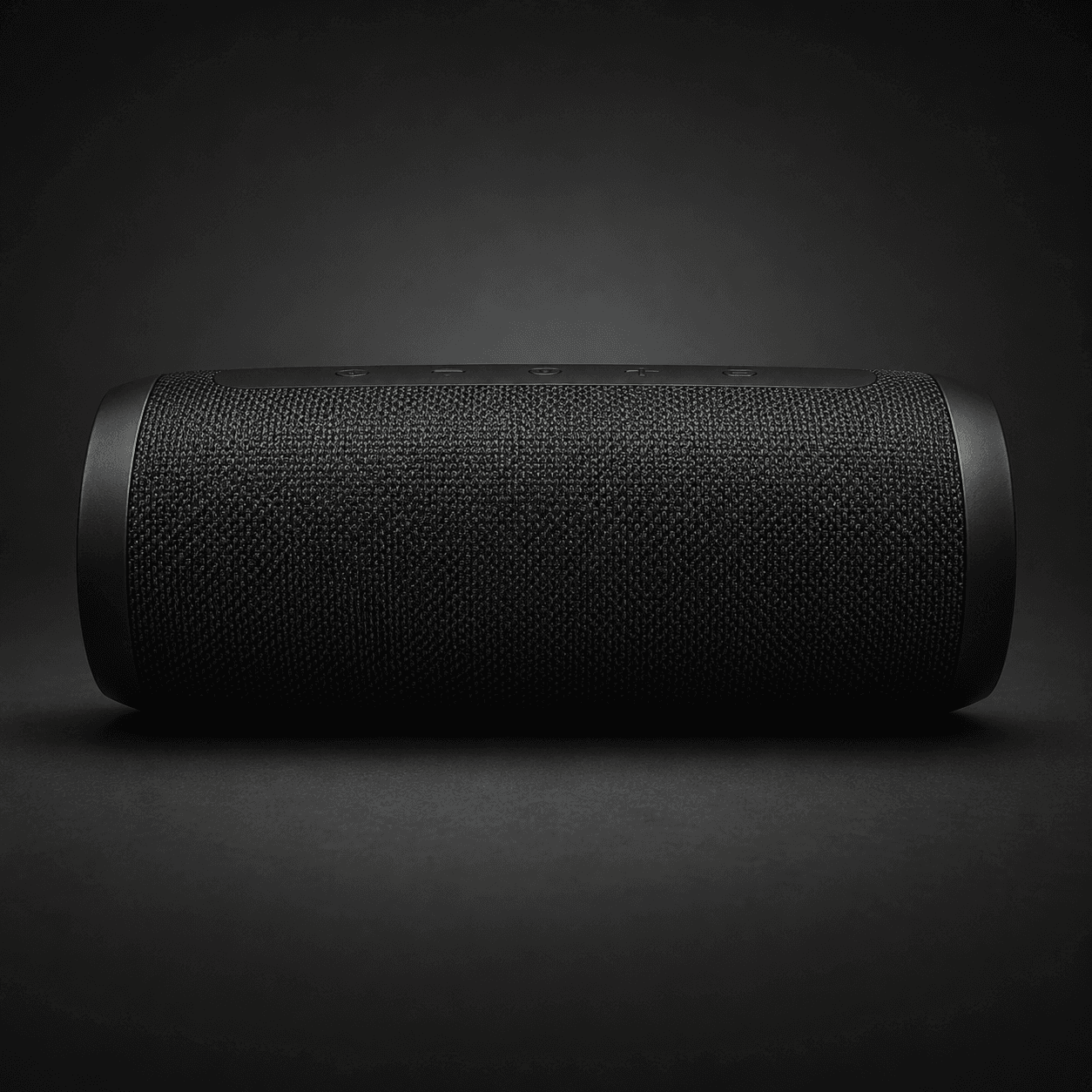
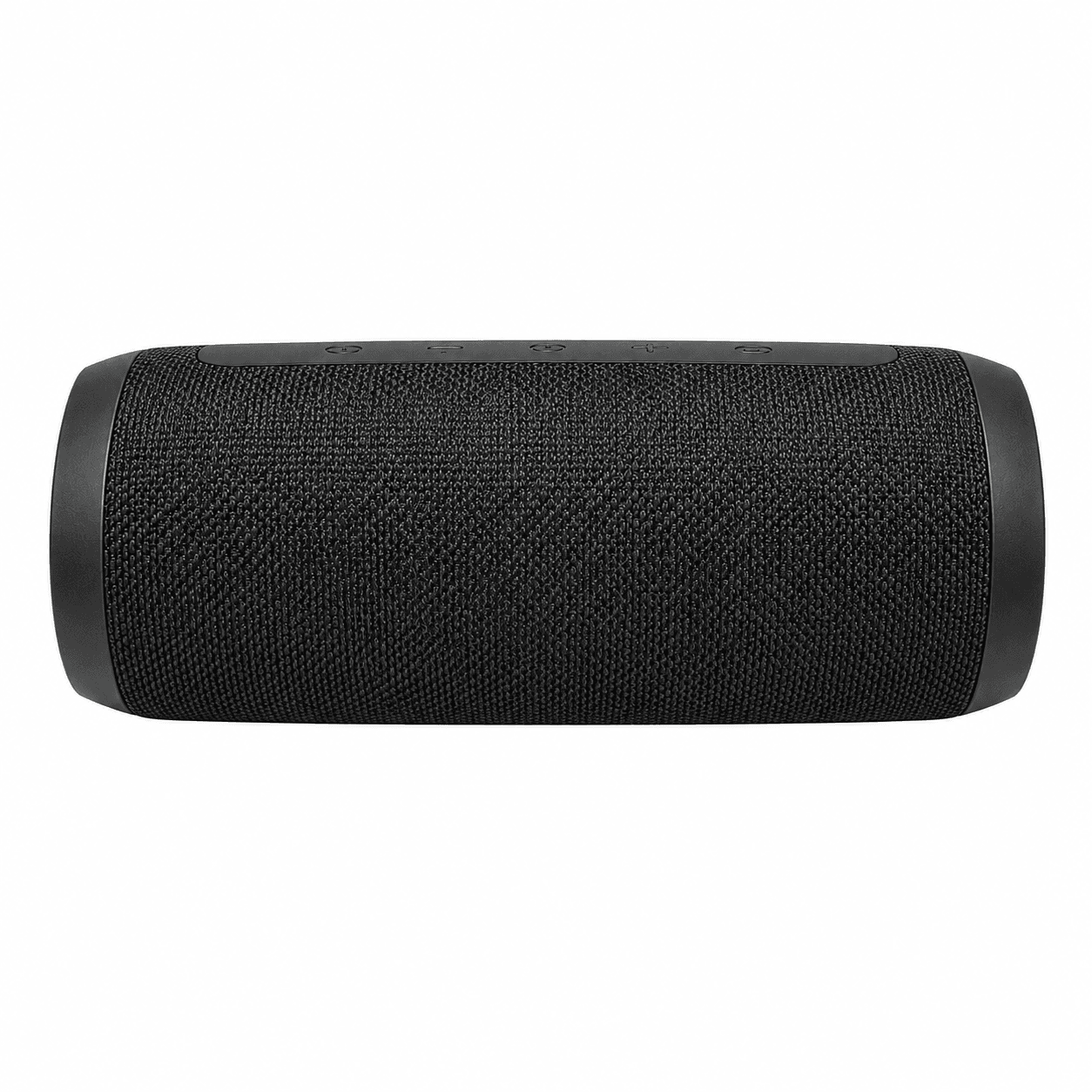
Amazon rejects non-compliant main images automatically. The rules are strict: pure white background (RGB 255,255,255), product fills at least 85% of the frame, no watermarks, no additional text, no borders, no lifestyle props. A seller with 500 SKUs who shot their product catalog against a grey backdrop, or on a lifestyle set, or on a colored brand background, has to either reshoot or fix every image before listing. That is a real operational bottleneck - and a clear opportunity for a compliance API that fixes images programmatically.
The pipeline is conceptually simple: detect the product, remove the background, place the product on a pure white canvas, validate that fill ratio and background purity meet Amazon's thresholds, and return the corrected image. In practice, the quality of background removal for complex product shapes - perfume bottles, transparent packaging, products with reflective surfaces, garments with loose threads - is what separates a production-grade service from a toy. This article walks through how to build it.




| Stack | Infra /mo | AI team | Total cost | Revenue | Margin |
|---|---|---|---|---|---|
Runflow pay-per-use · no commitment | $500 | $0 | $500 | $2.0K | 75% |
Cloud API + manual QA similar pricing · no auto-QA · part-time engineer needed | $500 | ~$5K | $5.5K | $2.0K | loss |
Self-hosted GPU raw compute · full-time AI engineer required | $400 | $12K | $12K | $2.0K | loss |
Runflow Sentinel — built-in quality control layer that automatically detects and discards failed or low-quality outputs before delivery. You only pay for images that pass QA. No engineer needed to babysit the pipeline.
Pricing based on Runflow published rates (June 2026) with automatic volume discounts. Revenue column is illustrative — actual client pricing varies by vertical and contract size. GPU self-hosted estimate uses $0.04/img raw compute cost.
Amazon's Main Image Rules: What Actually Gets Rejected
Amazon's automated image validator checks six things. Background purity: the background must be pure white (RGB 255,255,255), not off-white, not light grey, not a gradient fading to white. Product fill ratio: the product must occupy 85% or more of the image area - a small product centered in a large white canvas will fail. Image dimensions: minimum 1000x1000 pixels, recommended 2000x2000. Format: JPEG or TIFF, no transparency. Content: no watermarks, no logos added post-production, no additional objects that are not part of the product. For apparel: no visible mannequin on most category types (ghost mannequin or flat lay required).
The Compliance Pipeline: Five Stages
Stage one is background detection. A segmentation model (SAM or a fine-tuned SegFormer) identifies the product region and the background region. For simple backgrounds - solid colors, gradients, plain surfaces - this is straightforward. For complex backgrounds with props, furniture, or people, the model needs to distinguish the primary product from supporting elements. Stage two is background removal. The detected background is masked and removed, producing a product-on-transparent result. Stage three is canvas placement. The product is placed on a 2000x2000 pure white canvas, centered, and scaled to fill 85-90% of the frame. Stage four is edge refinement. The boundary between product and white background is smoothed using inpainting or feathering to eliminate the hard-cut artifacts that appear with simple mask-based removal. Stage five is compliance validation: background purity check, fill ratio measurement, dimension validation, and a sharpness score.
The most commercially important stage is edge refinement. Amazon's catalog has thousands of listings where the background removal is technically correct but visually wrong - there is a faint halo around the product, or the edges look unnaturally sharp against the white, or semi-transparent elements like product packaging windows or glass bottles have been incorrectly masked. These are the images that pass Amazon's automated validator but look wrong to buyers. A service that produces genuinely clean edges - not just technically valid ones - commands a pricing premium and generates referrals.
Category-Specific Rules That Change the Pipeline
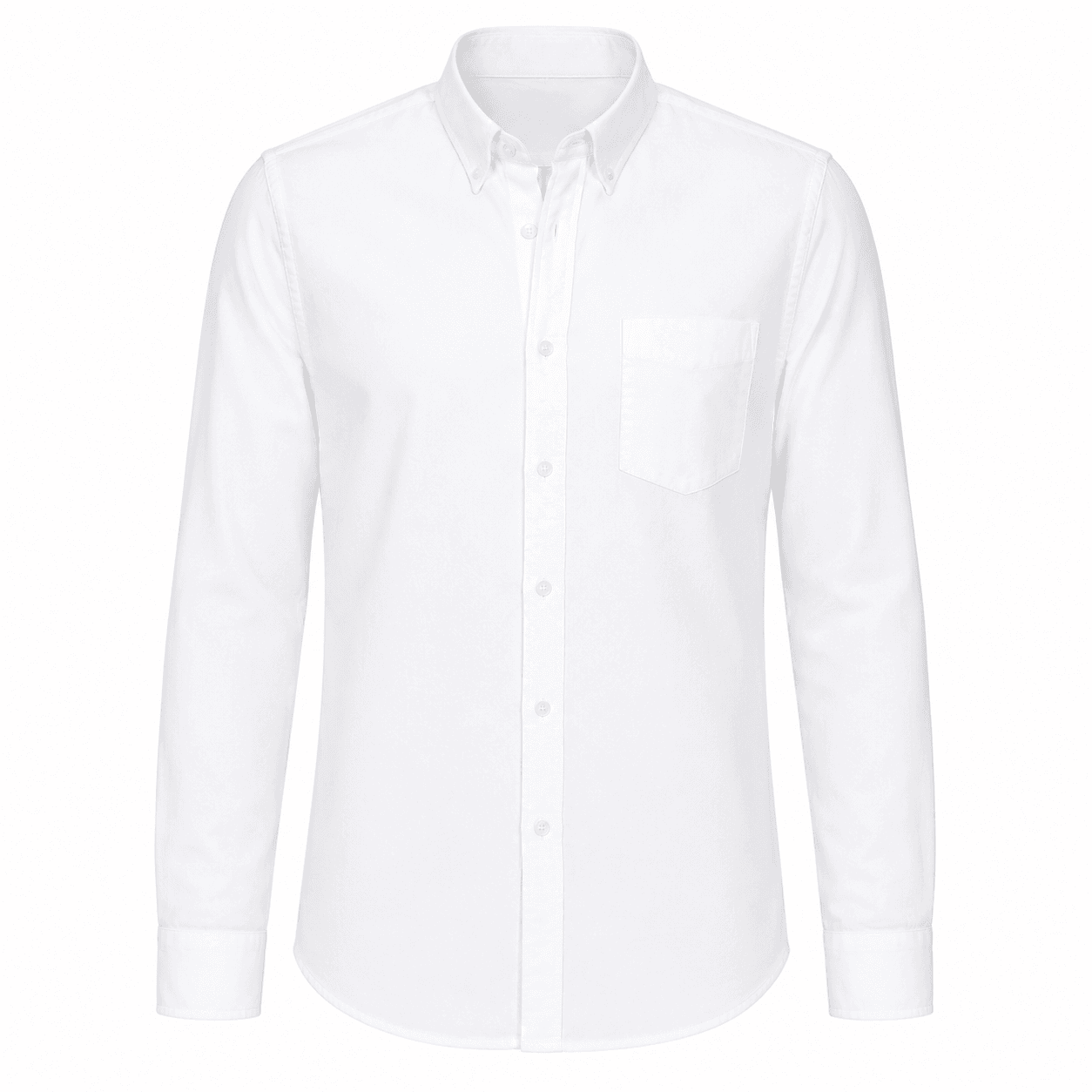
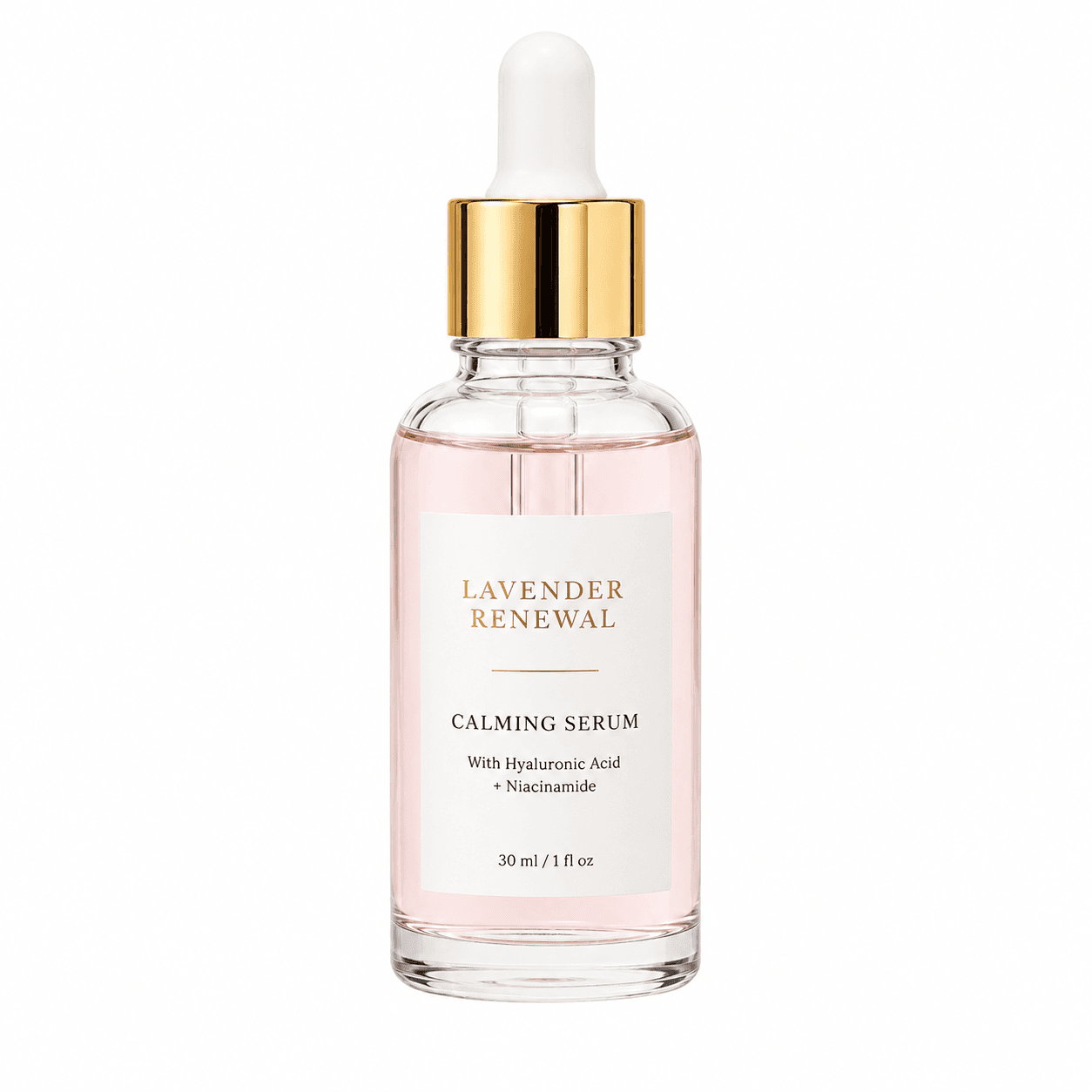
Amazon's rules vary by category. Electronics and home goods follow the standard white background requirement. Apparel has the additional mannequin rule: for most clothing categories, the garment must be shown flat, on a ghost mannequin (invisible mannequin), or on a person - but not on a standard visible mannequin. Beauty and personal care products must show the primary product as the dominant element; lifestyle accessories in the frame are rejected. Jewelry has a fill ratio exception: small items can occupy less than 85% if the white space is intentional and the product itself would be too small to show detail at 85% fill.
| Category | Background | Fill ratio | Special rules |
|---|---|---|---|
| Electronics | Pure white | 85%+ | No lifestyle props, no cords unless part of product |
| Apparel | Pure white | 85%+ | Ghost mannequin or flat lay; no visible mannequin |
| Home & Kitchen | Pure white | 85%+ | No props, no scene styling |
| Beauty | Pure white | 85%+ | Primary product must dominate; no lifestyle elements |
| Jewelry | Pure white | Flexible | Small items may have reduced fill for detail visibility |
Cost Structure and Pricing Model
The compliance pipeline runs faster than angle generation because it does not require depth estimation or geometric projection. On an A10G GPU, a single image takes 8-15 seconds end-to-end including segmentation, removal, placement, edge refinement, and validation. At $0.75/hour for an A10G, that is $0.002-0.003 per image for compute. Including storage, egress, and amortized model loading, the fully-loaded cost is $0.01-0.02 per image. The existing market benchmark is Photoroom at $0.02 per image at volume, and remove.bg at $0.04-0.10 per image. A compliant-output-guaranteed service priced at $0.10-0.25 per image is competitive and has strong margins.
| Service | Price per image | Amazon-specific validation | Edge quality |
|---|---|---|---|
| remove.bg | $0.04-0.10 | No | Good |
| Photoroom API | $0.02 (volume) | Partial | Good |
| Manual retouching (freelance) | $0.50-2.00 | Human QC | Excellent |
| This pipeline (self-hosted) | $0.01-0.02 infra | Full automated check | Good-Excellent |
Total Cost of Ownership: Self-Hosted vs Managed
| Component | Self-hosted (RunPod) | Runflow managed |
|---|---|---|
| GPU compute | $20-30/mo | Included in per-image pricing |
| Inference infra engineering | +$8,000-12,000/mo (0.5 FTE) | $0 |
| Model updates and maintenance | Manual | Managed |
| Compliance rule updates | Manual | Managed |
| Total at 10K images/month | $8,020-12,030 | $100-200 |
Hard Cases: Products That Need Special Handling
Four product types push the pipeline to its limits. Transparent and semi-transparent products - glass bottles, clear packaging, acrylic items - require alpha compositing rather than binary masking. The product is partially see-through, so a hard mask produces an obviously wrong result. Hairy and fluffy products - fur trim, wigs, stuffed animals, certain textiles - have complex boundary geometry that standard segmentation models handle poorly. Highly reflective products - chrome finishes, mirror surfaces, glossy electronics - reflect the original background, so even after background removal, the product surface contains visible artifacts from the old environment. Multi-piece products - sets, kits, products with multiple loose components - need the composition step to arrange all pieces correctly on the white canvas.
Go-to-Market: Who to Sell This To
The best-fit buyers are Amazon sellers and agencies who manage Amazon accounts. A seller with 200 SKUs launching a new product line has an immediate, quantifiable problem: they need compliant main images before their listings go live. The urgency is high, the ROI is obvious (non-compliant images block the listing entirely), and the volume is predictable. Amazon aggregators - companies that acquire and operate multiple Amazon brands - are the highest-value segment: they process thousands of SKUs across dozens of brands and have the budget and the operational need for a reliable API contract.
Distribution options include a direct web app, a Shopify app that triggers compliance checking when products are synced to Amazon via a channel manager, and direct API integration for listing management tools like Jungle Scout, Helium 10, or SellerApp. The fastest path to first revenue is a simple upload-and-download web interface targeted at individual sellers, with a credit system. Enterprise API contracts with aggregators come later once the quality is proven.
Validation Output: What to Return to the Client
A well-designed compliance API returns more than just the corrected image. The validation report should include a background purity score (the percentage of background pixels that are within tolerance of pure white), the measured fill ratio, the detected product category if auto-classification is enabled, a list of specific issues found and whether they were automatically corrected or require manual intervention, and a processing confidence score. This data lets the client build downstream workflows: automatically publish high-confidence results, route medium-confidence results to a human review queue, and reject or flag low-confidence results for re-submission with a better source image.
The confidence score is also the basis for a tiered pricing model. Fast, high-confidence processing for simple solid-background products is priced at the base rate. Complex backgrounds, transparent products, and multi-piece sets that require more compute and human-in-the-loop review are priced at a premium tier. This mirrors how freelance retouchers price their work - simple backgrounds are commodity, complex edges are skilled labor - and gives the API a natural upsell path as customer catalogs grow more diverse.
Rule Updates: Keeping the Pipeline Current
Amazon updates its image requirements periodically. New category-specific rules, changes to fill ratio thresholds, and updates to the automated validator all affect what the compliance pipeline needs to check. A managed service that tracks these changes and updates validation rules without requiring customer action is a meaningful differentiator over a self-hosted pipeline that the customer must maintain themselves. Building a rule configuration layer - where compliance checks are defined as data, not hardcoded logic - makes it fast to deploy updates when Amazon changes its requirements. This is a key argument for selling the service rather than the code.
| Stack | Infra /mo | AI team | Total cost | Revenue | Margin |
|---|---|---|---|---|---|
Runflow pay-per-use · no commitment | $500 | $0 | $500 | $2.0K | 75% |
Cloud API + manual QA similar pricing · no auto-QA · part-time engineer needed | $500 | ~$5K | $5.5K | $2.0K | loss |
Self-hosted GPU raw compute · full-time AI engineer required | $400 | $12K | $12K | $2.0K | loss |
Runflow Sentinel — built-in quality control layer that automatically detects and discards failed or low-quality outputs before delivery. You only pay for images that pass QA. No engineer needed to babysit the pipeline.
Pricing based on Runflow published rates (June 2026) with automatic volume discounts. Revenue column is illustrative — actual client pricing varies by vertical and contract size. GPU self-hosted estimate uses $0.04/img raw compute cost.
For sellers running international Amazon storefronts, compliance requirements are consistent across Amazon US, EU, and JP - the white background and fill ratio rules apply globally. Regional variations exist in category-specific mannequin rules and in which image slots are required vs optional. An API that handles multi-marketplace compliance from a single submission is a meaningful feature for aggregators and brands selling across regions.