The pet portrait market has two layers. At the top: Etsy custom artists who hand-draw or digitally paint portraits for $50-200, with 2-4 week turnaround. Below that: a cluster of consumer AI tools (NightCafe, PetPortraitHub, MakeMeA) that generate portraits for a few dollars but are built for individual buyers, not businesses. Between these two layers sits a gap: gift-print platforms that process tens of millions of personalized gift orders every year and have no native AI pet portrait capability. Zazzle, Society6, Printful, Gelato, and the dozens of regional print-on-demand operators all list pet products, but none of them auto-generates a stylized portrait from a customer photo at the time of order. That is the business to build.
The technical part is the least difficult aspect of this. Style transfer for pets is a solved pipeline: a pet-specific LoRA fine-tune handles identity preservation across 50+ art styles, and the full render takes 3-5 seconds on a dedicated A100. The hard part is distribution - which gift-print platform becomes your first integration, and how you price it for the B2B2C model where the platform charges the consumer $29-49 for a printed portrait and pays you $0.08-0.20 per render.
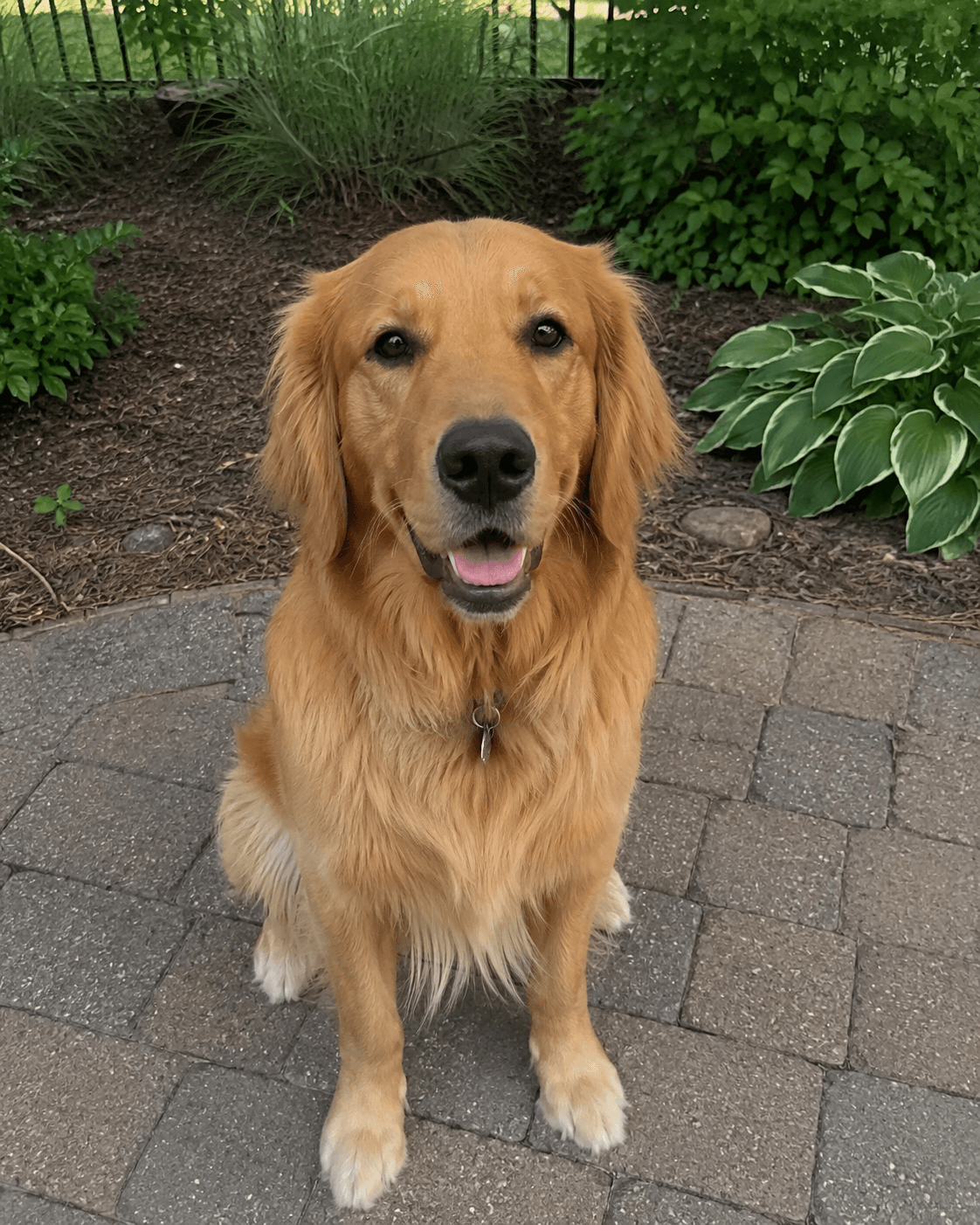
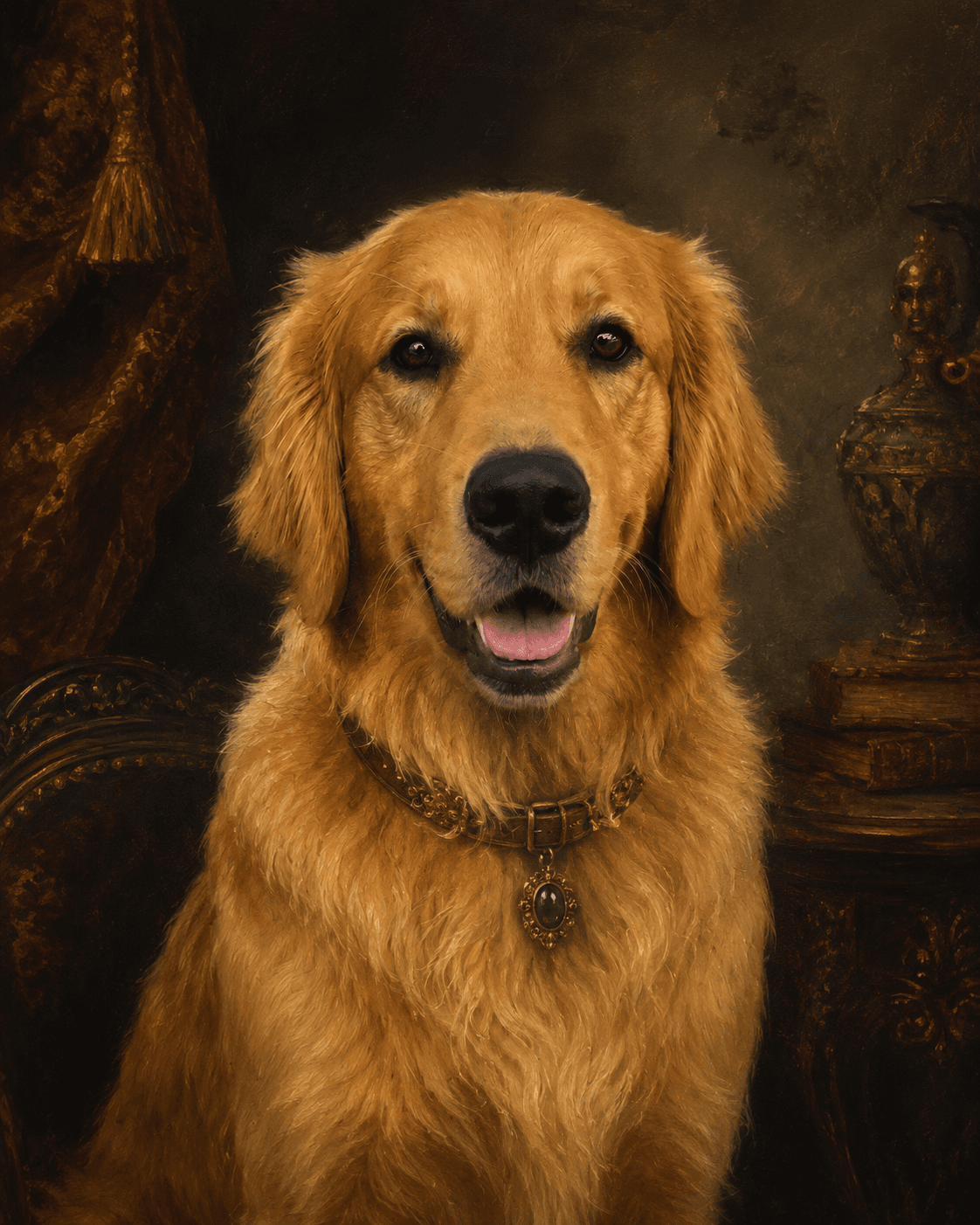
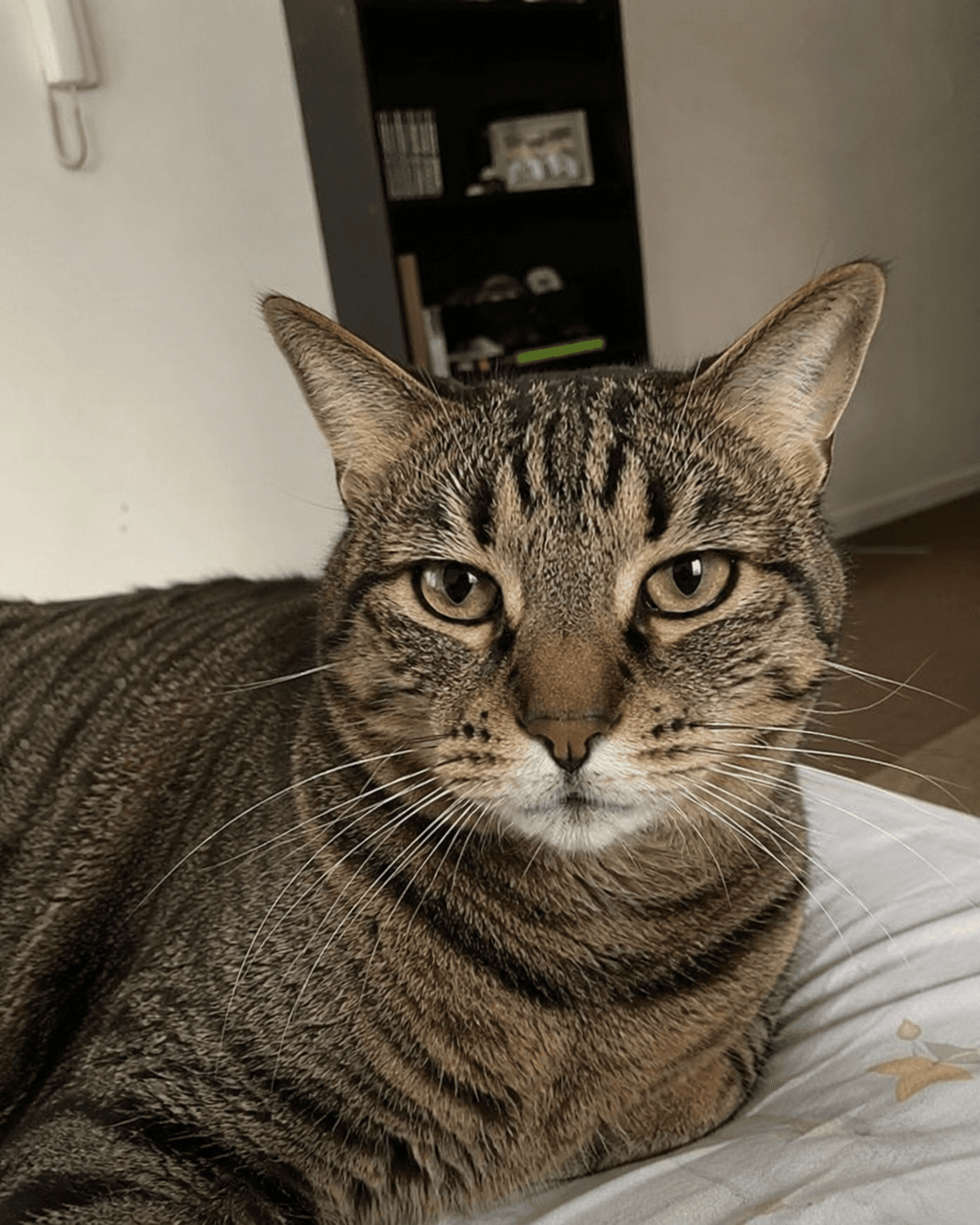
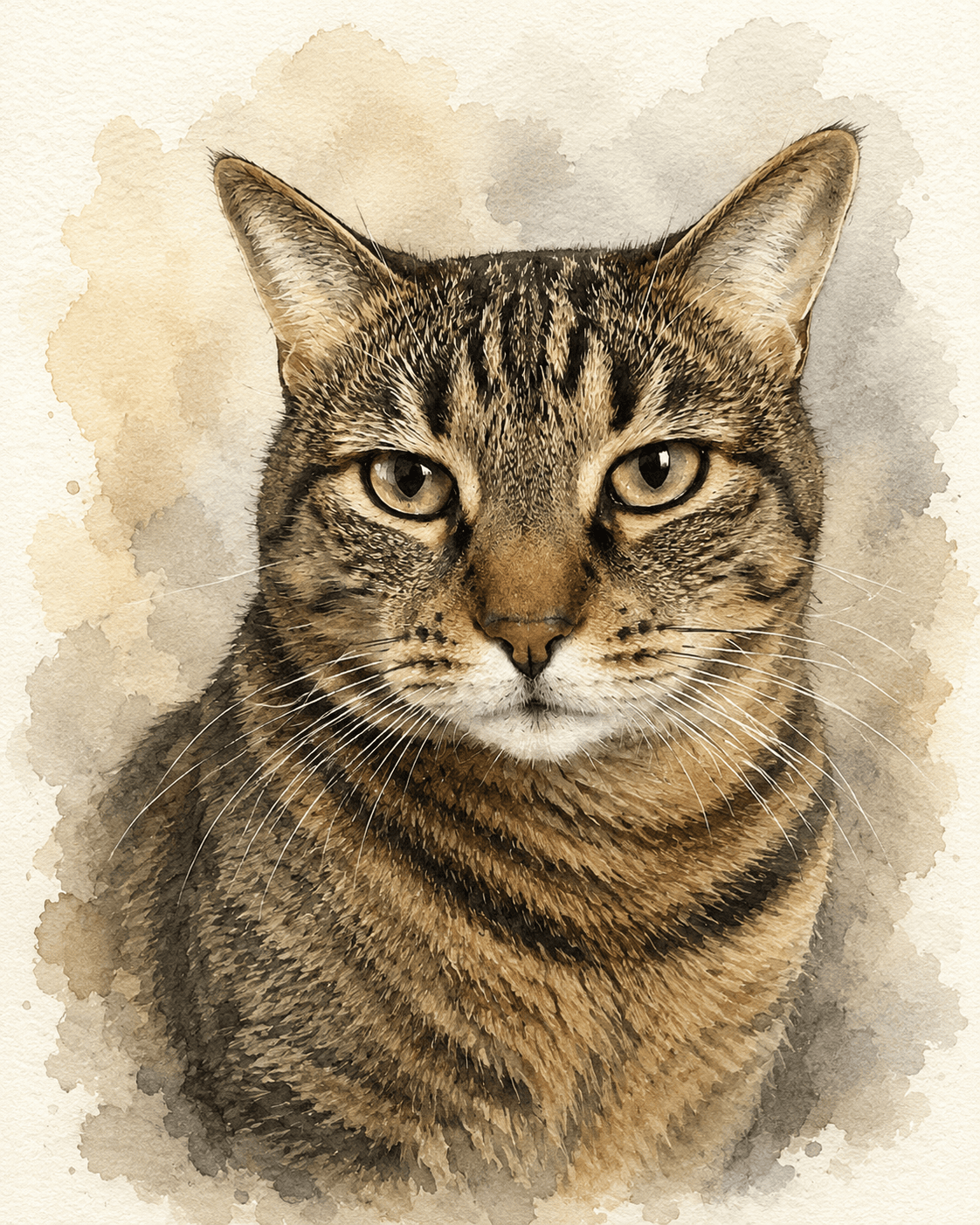
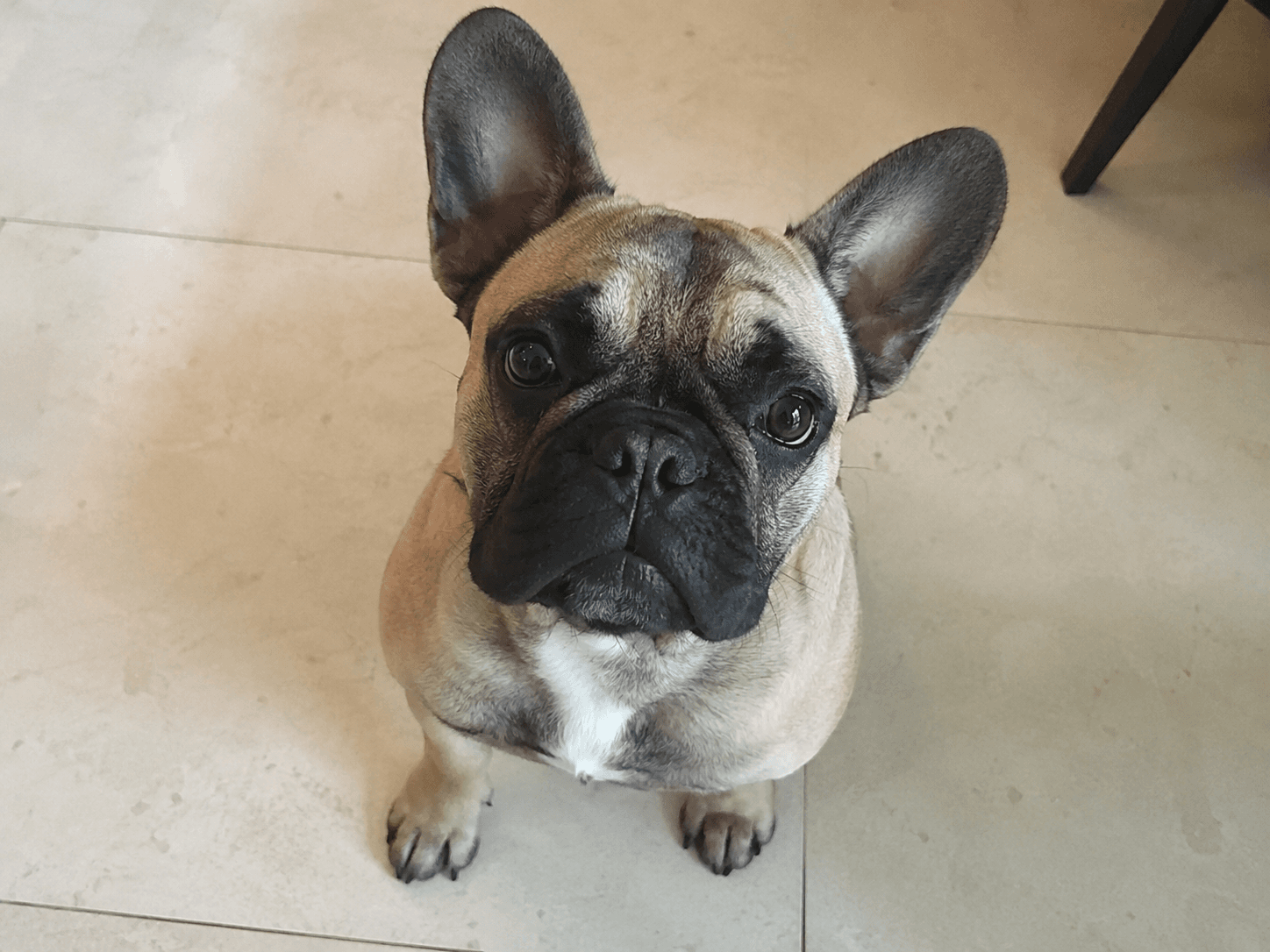

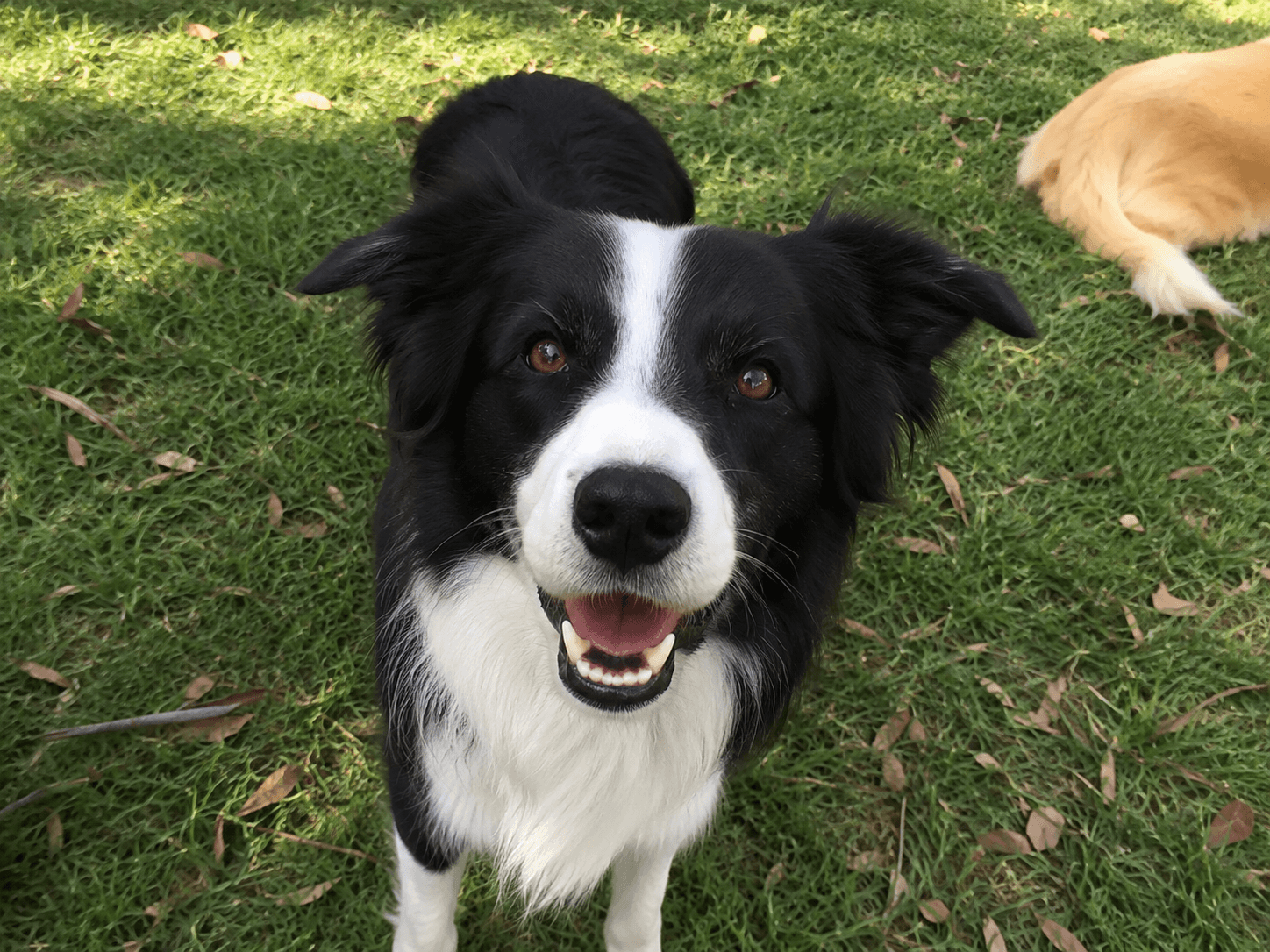
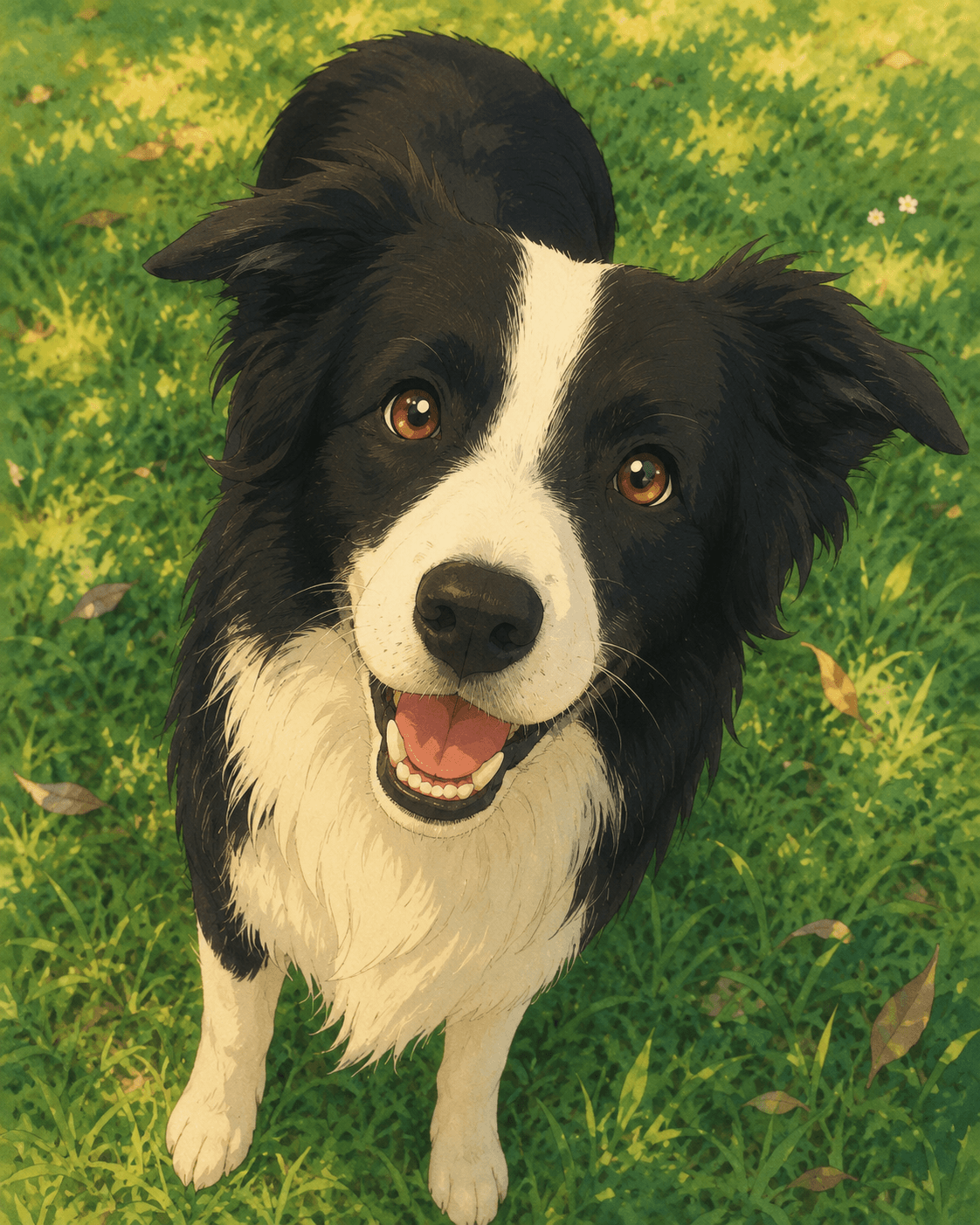
| Stack | Infra /mo | AI team | Total cost | Revenue | Margin |
|---|---|---|---|---|---|
Runflow pay-per-use · no commitment | $800 | $0 | $800 | $5.0K | 84% |
Cloud API + manual QA similar pricing · no auto-QA · part-time engineer needed | $800 | ~$5K | $5.8K | $5.0K | loss |
Self-hosted GPU raw compute · full-time AI engineer required | $400 | $12K | $12K | $5.0K | loss |
Runflow Sentinel — built-in quality control layer that automatically detects and discards failed or low-quality outputs before delivery. You only pay for images that pass QA. No engineer needed to babysit the pipeline.
Pricing based on Runflow published rates (June 2026) with automatic volume discounts. Revenue column is illustrative — actual client pricing varies by vertical and contract size. GPU self-hosted estimate uses $0.04/img raw compute cost.
Why consumer apps do not solve the gift-print problem
Consumer AI portrait tools are built for a specific use case: an individual who wants a stylized image of their pet for personal use. NightCafe gives away 5 renders per day free, then charges credits. MakeMeA starts at $5 for a single portrait. PetPortraitHub uses a form-submit flow with a 24-hour turnaround. None of these is an API. None of them can be integrated into a checkout flow. And none of them preserves pet identity reliably enough to put on a $39 canvas that a customer gives as a gift.
Gift-print platforms have a different requirement. When a customer uploads a photo of their dog during checkout and selects "watercolor portrait on mug," the platform needs a render in under 10 seconds that meets print-quality standards (at minimum 300 DPI equivalent) and reliably looks like the actual pet - not a generic dog in a watercolor style. The identity preservation gap is the wedge. Every consumer tool fails this test at some rate. A purpose-built pet LoRA with identity scoring passes it consistently enough to put into production.
Zazzle reports over 30 million products created on its platform annually. Redbubble has 700,000+ independent artists. Printful fulfills for over 800,000 merchants. None of these platforms auto-generates custom artwork from a customer photo during the order flow. That is the gap. A REST API - submit pet photo, select style pack, receive print-ready PNG - fills it for any of them without requiring them to hire an AI team.
The technical pipeline: identity preservation is the hard part
The pipeline has three stages, each mapped to a ComfyUI node group.
Stage 1 - Pet face detection and identity encoding. A pet-specific LoRA captures the face geometry, fur pattern, and distinctive features of the individual animal. This is what separates a recognizable portrait from a generic dog illustration. The LoRA runs on top of a base SDXL or Flux model.
Stage 2 - Style conditioning. A style-pack node applies the target aesthetic - oil painting, watercolor, charcoal, Ghibli, Christmas card, and 45+ others - while the identity encoding from Stage 1 constrains the output. The style transfer must not override the pet's distinguishing features.
Stage 3 - Quality and print validation. A Sentinel-equivalent scoring node checks identity similarity between the input photo and output render, and validates resolution and composition for print. Renders below threshold are flagged for retry. This is the quality gate that makes the output safe to put into a customer order.
Total pipeline latency on a dedicated A100: 3-5 seconds per render. This is fast enough for a synchronous checkout integration - the customer sees the portrait preview before they complete the order. On a shared GPU (RunPod Community, Salad): 6-12 seconds, still acceptable for a preview step but too slow for real-time interaction.
Unit economics: the gift-print business model
The pricing model for a B2B pet portrait API is a per-render fee charged to the platform, not a subscription. The platform marks it up as part of the product price the consumer pays. At $0.08-0.20 per render (your API price to the platform) and $29-49 per finished product (platform price to consumer), the gross margin stack works for everyone in the chain.
Full cost comparison - managed API vs self-hosted:
| Cost component | Runflow (managed) | fal.ai (managed) | Self-hosted (RunPod A100) |
|---|---|---|---|
| Inference per render | ~$0.04 | ~$0.04-0.05 | ~$0.03 (hardware only) |
| Cold start latency | None (warm instances) | 2-8s | 60-120s |
| Engineer overhead | $0/mo | $0/mo | $8,000-12,000/mo |
| Monthly cost at 50K renders | ~$2,000 | ~$2,200 | ~$10,500 (infra + 0.5 engineer) |
| Min. volume to break even | Any volume | Any volume | ~500,000 renders/mo |
At volumes below 500K renders per month, any managed API wins on total cost of ownership. The engineering cost of running self-hosted infrastructure adds $8,000-12,000 per month before you count GPU hardware. Runflow and fal.ai have comparable inference costs - the practical difference is cold start behavior and workflow flexibility. Cold starts matter in gift-print: a customer completing checkout cannot wait 2 minutes for a preview.
The ICP and distribution channel that matters
The individual pet owner is not the target customer. A consumer buying one portrait for their dog generates a single transaction. The right target is the gift-print platform or pet-product e-commerce operator that handles thousands of orders per day and wants to add a custom portrait product without building an AI team.
Distribution approach: build the API, price it at $0.08-0.20 per render for platform partners, and approach the product teams at Printful, Printify, Gelato, and the specialty pet e-commerce platforms (Chewy marketplace sellers, PetSmart custom gifting). The pitch: add a "custom AI portrait" product to your catalog, powered by our API. No upload queue, no 24-hour wait, no Etsy artist bottleneck. Preview in checkout, print on demand, ship the same day.
Secondary distribution: pet adoption platforms. Shelters process hundreds of intake photos per week. An API that auto-generates a stylized portrait for each animal - on the adoption listing, as a fundraising product, as a memorial gift after adoption - has a different business model (possibly donation or per-listing fee) but the same technical pipeline.
What this is not: the DTC portrait app trap
The obvious move when you see the search data for "ai pet portrait generator" is to build a consumer app that captures that traffic directly. This is the wrong direction for a business with durable economics. Consumer portrait apps face three structural problems: no repeat purchase (a customer who bought a portrait for their dog does not need another one for six months), app store discovery cost exceeds the revenue per customer, and the free tools (NightCafe, Adobe Firefly) have already anchored consumer price expectations near zero.
The B2B API route avoids all of this. You build once, integrate with a platform that already has the customer relationship and the fulfillment infrastructure, and collect per-render fees on every order the platform processes. The search traffic validates that demand for the end product exists - it is not your acquisition channel.
How to build it: the 30-day path to a working API
Week 1: Set up ComfyUI on a managed API (Runflow or fal.ai). Source or fine-tune a pet-face LoRA - several open-source base models exist on Hugging Face. Test identity preservation across at least 20 pet photos before committing to the LoRA. Define your style-pack list (start with 6: oil painting, watercolor, charcoal sketch, Ghibli, Christmas, pop art).
Week 2: Build the REST API wrapper. Input: pet photo (JPEG/PNG), style pack ID, output resolution (300 DPI base for print). Output: render URL + identity confidence score + latency. Add retry logic for renders below identity threshold. Test with 200+ pet photos across breeds and lighting conditions.
Week 3: Print-quality validation. Partner with a print-on-demand provider (Printful or Printify both have sandbox APIs) to test the full order flow: photo upload, render, add-to-cart, print file delivery. Identify any resolution or ICC profile issues before talking to platform partners.
Week 4: First platform conversation. Reach out to 3-5 specialty pet gift retailers or print-on-demand operators with a working demo: submit their pet photo, receive a print-ready portrait in 5 seconds. A working demo closes faster than any deck.
The technical constraints to know before you start
Three things that will slow you down if you do not account for them upfront:
Breed diversity in the LoRA training data. A LoRA trained primarily on Labrador photos will struggle with Shih Tzus, Persian cats, and exotic breeds. The training set needs coverage across at minimum 50 breed categories and multiple coat lengths before you can claim reliable identity preservation across customers.
Photo quality variance. Consumer pet photos are notoriously difficult - motion blur, backlighting, partial occlusion, unusual angles. The pipeline needs a photo quality scorer that rejects unprocessable inputs with a clear error before wasting GPU time on a render that will fail identity scoring.
Print resolution requirements. Gift-print products require 300 DPI minimum for quality prints. A standard SDXL output at 1024x1024 is sufficient for products up to 8x8 inches. For larger canvas products, the pipeline needs an upscaling step (Real-ESRGAN or equivalent) before the print file is delivered. This adds 1-2 seconds to the pipeline and must be tested per product type.
What the competitive landscape looks like today
As of May 2026, no company offers a public REST API specifically for pet portrait generation marketed to gift-print platforms or e-commerce operators. The consumer tools (NightCafe, PetPortraitHub, MakeMeA Pet) are all form-submit or web-app products with no API access. Adobe Firefly has a commercial API but no pet-specific LoRA and no identity preservation scoring. Several Replicate models exist for general portrait stylization, but none implements the full print-quality validation pipeline.
The window is genuine. Gift-print platforms are actively looking for AI product capabilities to add to their catalog - it is a competitive differentiator in a commoditized market. The first API that passes a platform's quality bar (consistent identity, print-ready output, sub-10-second latency) gets the integration. Platforms typically move slowly on internal builds; an external API that already works closes faster than their roadmap.
Where to start
For most builders, Runflow is the right starting point. The platform supports full custom ComfyUI workflows natively, which means you can upload your pet LoRA and style-conditioning nodes directly without rewriting your pipeline for a proprietary format. Inference cost is approximately $0.04 per render on a dedicated A100.
Cold start latency is a real concern for checkout-integrated previews. A 60-120 second cold start (Replicate's range on shared GPU) turns a product demo into a customer drop-off event. Warm instances eliminate the problem - a customer who clicks "preview portrait" in a checkout flow expects a result in under 10 seconds.
Self-hosting only makes sense at around 500,000 renders per month. At that scale, the GPU hardware cost (~$2,500-3,500/mo on RunPod) plus engineer overhead ($8,000-12,000/mo) starts to approach managed API pricing at volume. Until then, the managed path gets you to a platform integration faster and keeps your cost structure predictable enough to model the B2B economics with confidence.
Related resources
The virtual staging business model runs on the same per-render economics as pet portraits - if you are evaluating multiple verticals for a managed API SaaS, the unit economics comparison is useful. The infrastructure decisions are identical: managed vs self-hosted, cold start tolerance, ComfyUI workflow portability.
| Stack | Infra /mo | AI team | Total cost | Revenue | Margin |
|---|---|---|---|---|---|
Runflow pay-per-use · no commitment | $800 | $0 | $800 | $5.0K | 84% |
Cloud API + manual QA similar pricing · no auto-QA · part-time engineer needed | $800 | ~$5K | $5.8K | $5.0K | loss |
Self-hosted GPU raw compute · full-time AI engineer required | $400 | $12K | $12K | $5.0K | loss |
Runflow Sentinel — built-in quality control layer that automatically detects and discards failed or low-quality outputs before delivery. You only pay for images that pass QA. No engineer needed to babysit the pipeline.
Pricing based on Runflow published rates (June 2026) with automatic volume discounts. Revenue column is illustrative — actual client pricing varies by vertical and contract size. GPU self-hosted estimate uses $0.04/img raw compute cost.
| Product | Model | API access | Price per portrait | Identity preservation |
|---|---|---|---|---|
| NightCafe | Consumer web app | None | Free-$0.28/credit | No scoring |
| MakeMeA Pet | Consumer form submit | None | $5-15 | No scoring |
| PetPortraitHub | Consumer web app | None | $10-30 | Manual review |
| Adobe Firefly | Commercial API | Yes (generic) | $0.04-0.08/credit | No pet LoRA |
| Etsy custom artists | Human manual | None | $50-200 | High (human) |
| B2B pet portrait API (gap) | Managed ComfyUI | REST API | $0.08-0.20 (B2B) | Identity scoring |