Fibbl is the dominant 3D viewer platform for footwear brands. GANT, ECCO, Arc'teryx, TUMI, Samsonite, Mammut - the brands paying Fibbl €999-1,399 per month get a 3D product viewer, AR try-on, and a +6.3% documented conversion lift on product pages that use 3D. What they do not get is 2D catalog photography generated from those 3D scans. The hero shot for the DTC product page, the side profile for the wholesale catalog, the lifestyle angle for the brand's Instagram - these still require a separate photoshoot. Brands that have already paid to 3D-scan their entire catalog are booking photography studios to shoot the same products they already have in digital form.
This is a channel partnership gap, not a technology gap. The technical pipeline to render photorealistic 2D catalog images from a 3D mesh is standard computer graphics - it has been used in automotive, architecture, and consumer electronics for years. What is missing is the connection: a service that takes Fibbl's existing 3D assets and produces the 2D marketing catalog imagery that those same brands need downstream. Fibbl explicitly does not build full production pipelines. Their focus is the 3D viewer layer. The catalog imagery layer is open.
| Stack | Infra /mo | AI team | Total cost | Revenue | Margin |
|---|---|---|---|---|---|
Runflow 10% volume discount applied | $900 | $0 | $900 | $6.0K | 85% |
Cloud API + manual QA similar pricing · no auto-QA · part-time engineer needed | $1.0K | ~$5K | $6.0K | $6.0K | 0% |
Self-hosted GPU raw compute · full-time AI engineer required | $400 | $12K | $12K | $6.0K | loss |
Runflow Sentinel — built-in quality control layer that automatically detects and discards failed or low-quality outputs before delivery. You only pay for images that pass QA. No engineer needed to babysit the pipeline.
Pricing based on Runflow published rates (June 2026) with automatic volume discounts. Revenue column is illustrative — actual client pricing varies by vertical and contract size. GPU self-hosted estimate uses $0.04/img raw compute cost.
What Fibbl brands actually pay for twice
A mid-size footwear brand with 100 SKUs in its active catalog pays Fibbl to scan each shoe and host it in the 3D viewer. The scanning workflow produces a high-fidelity 3D mesh - every surface detail, material property, and geometry of the physical shoe in digital form. That mesh is then used by Fibbl to power the browser-based 3D viewer and the AR try-on feature.
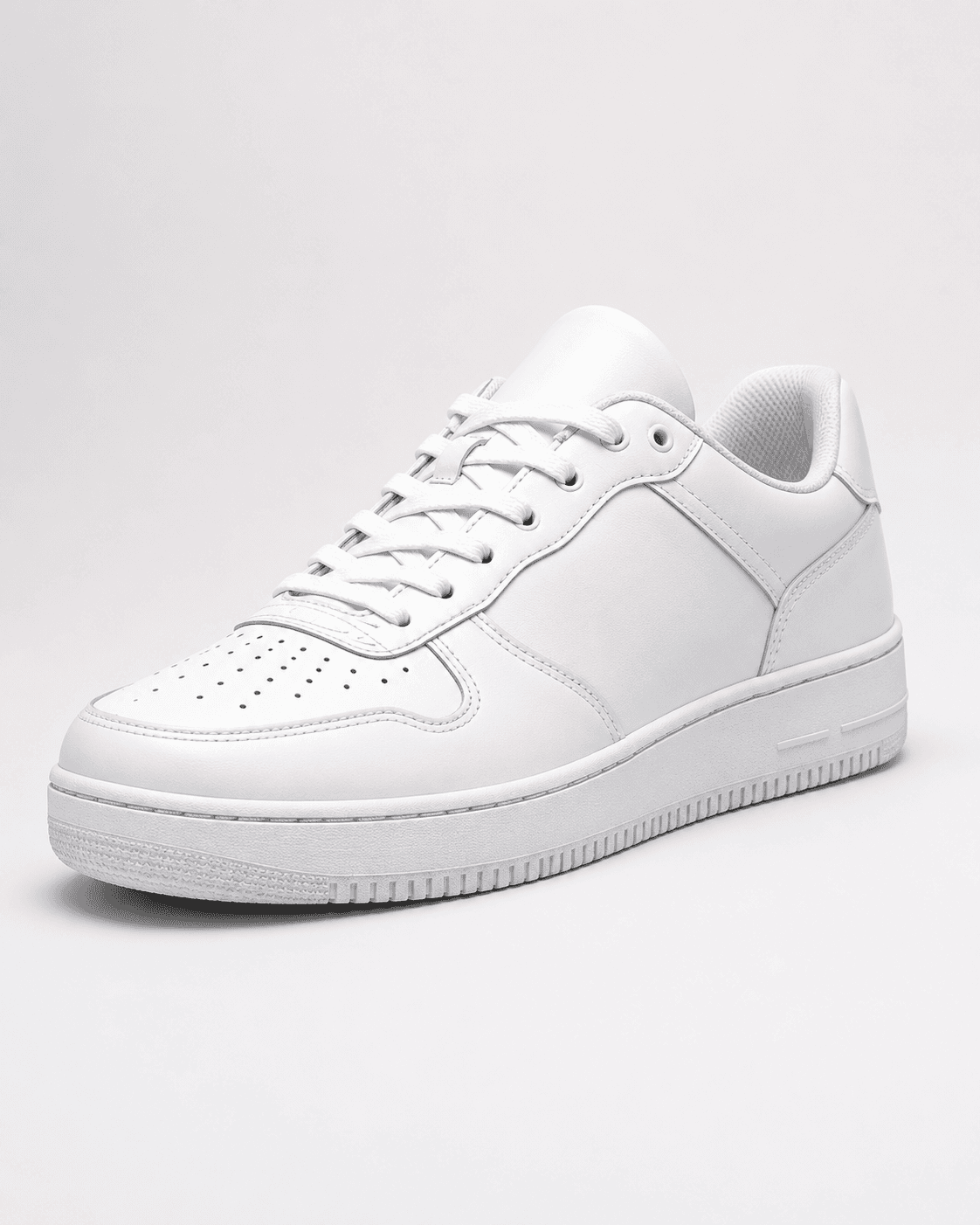
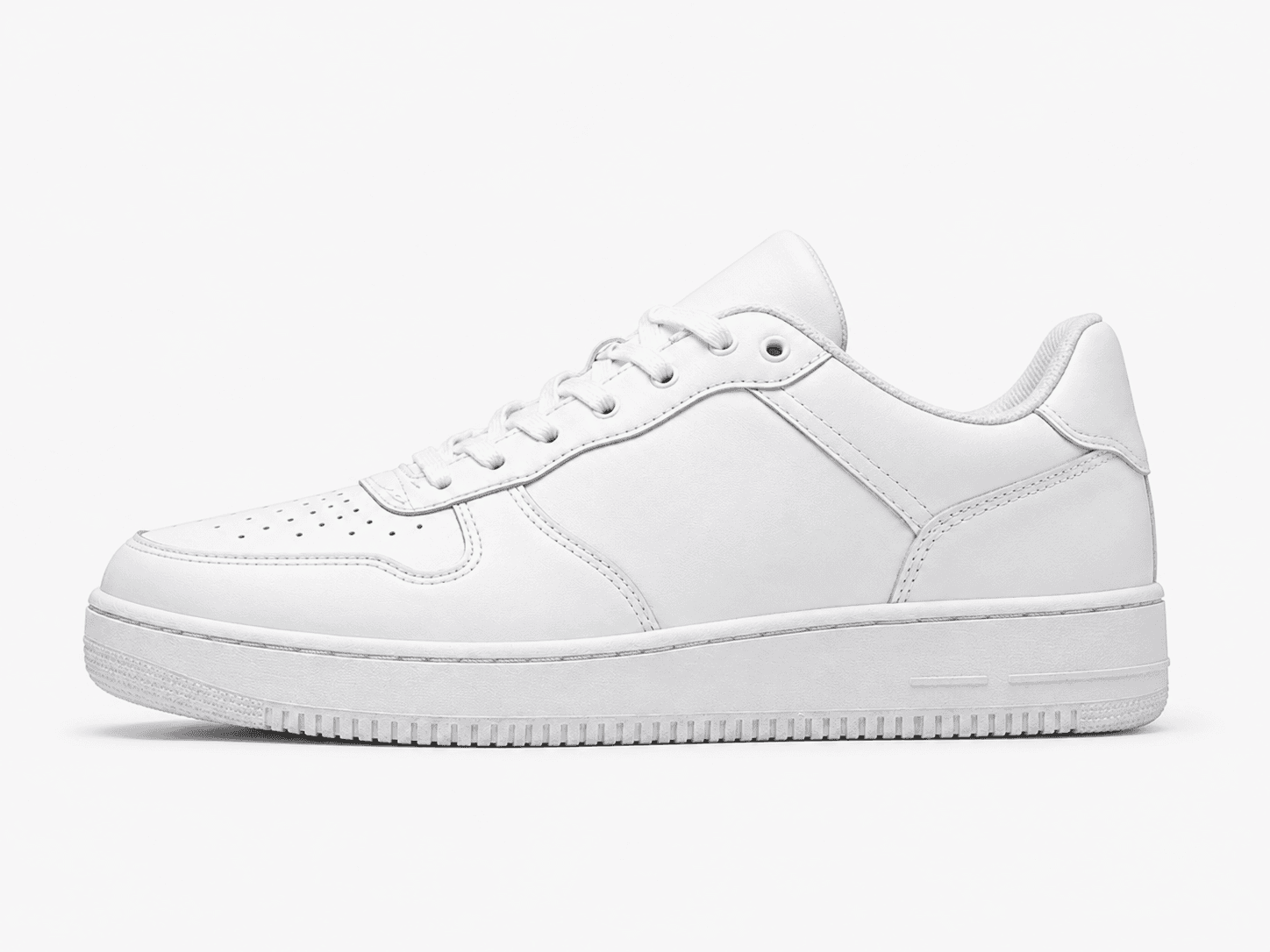
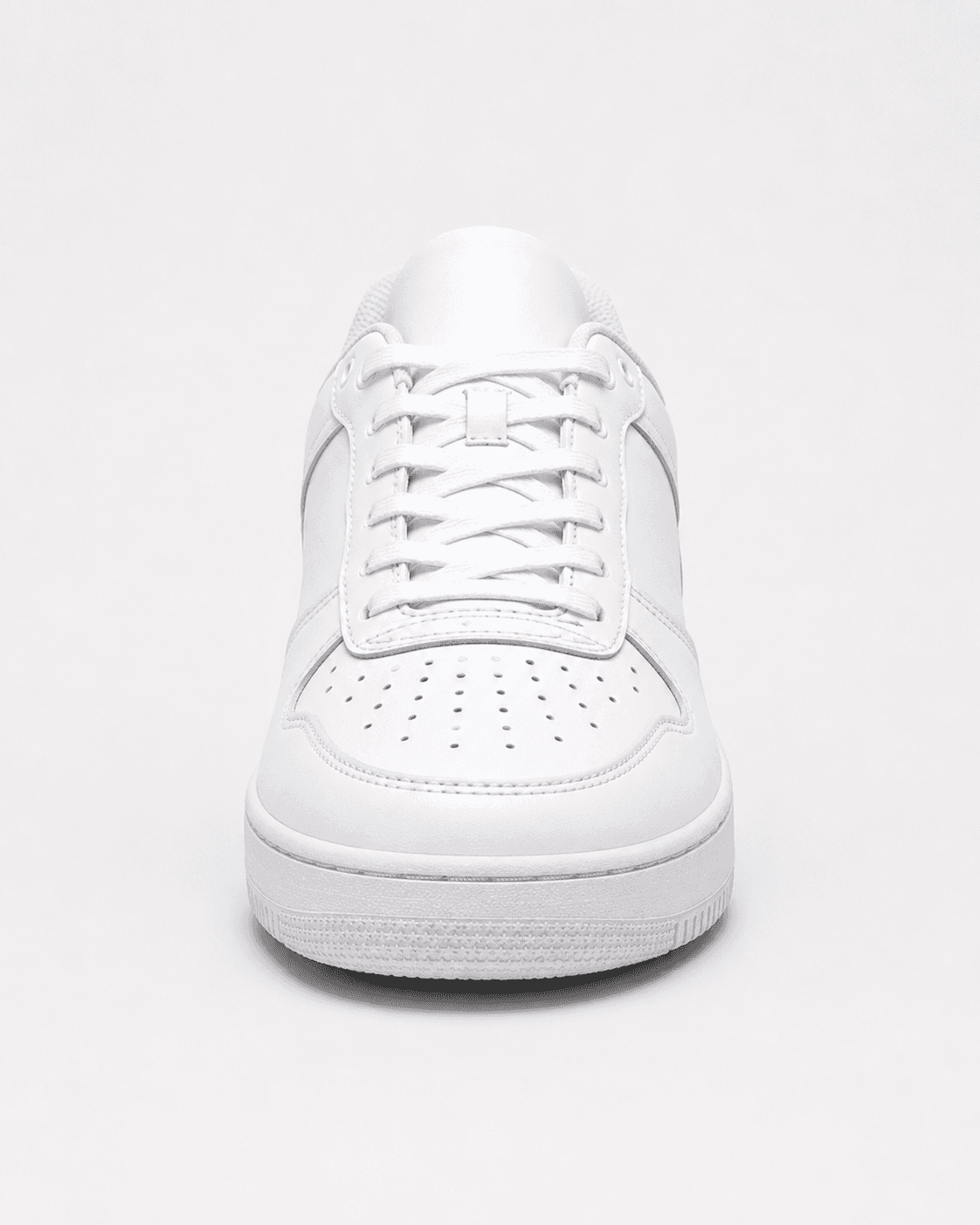
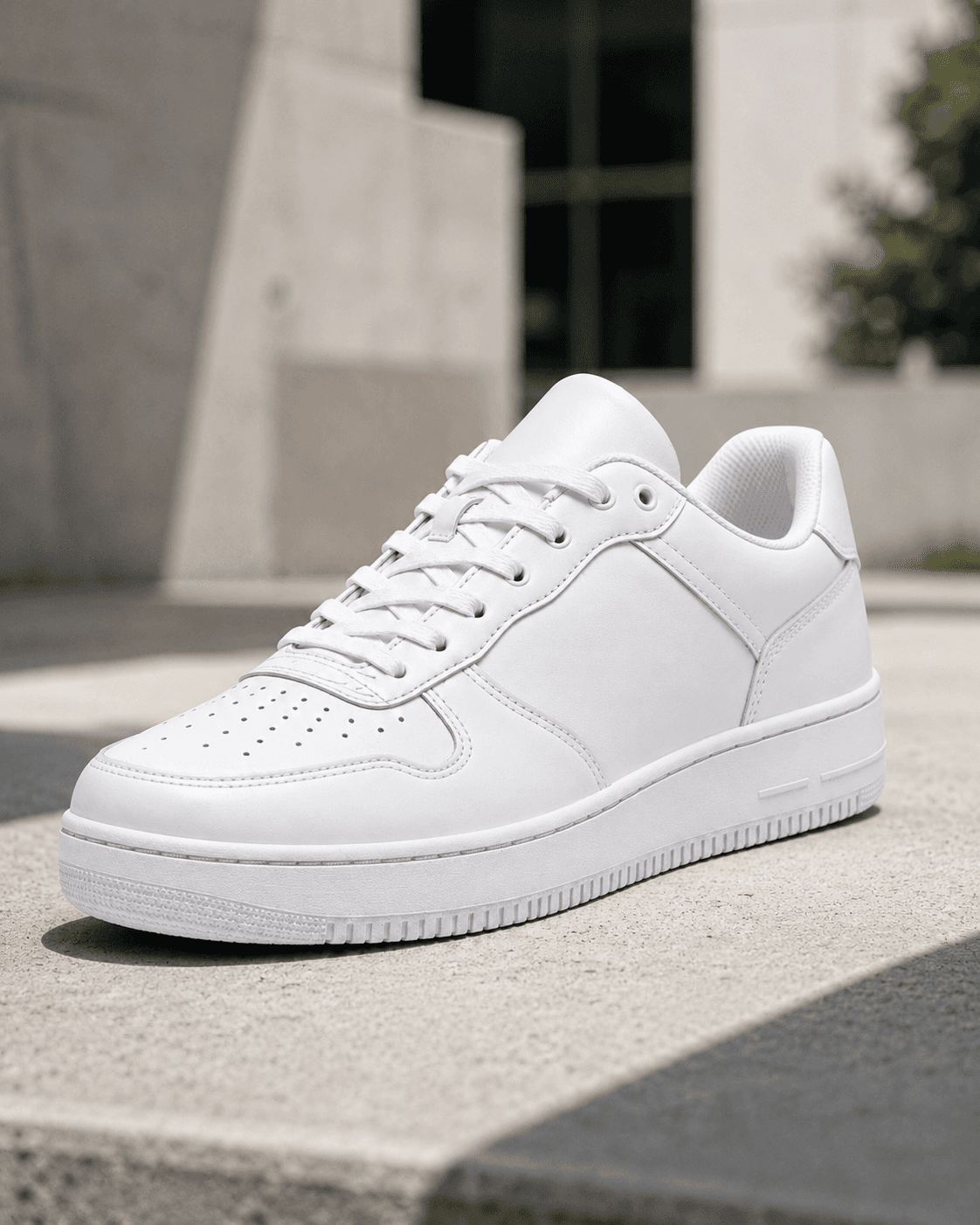
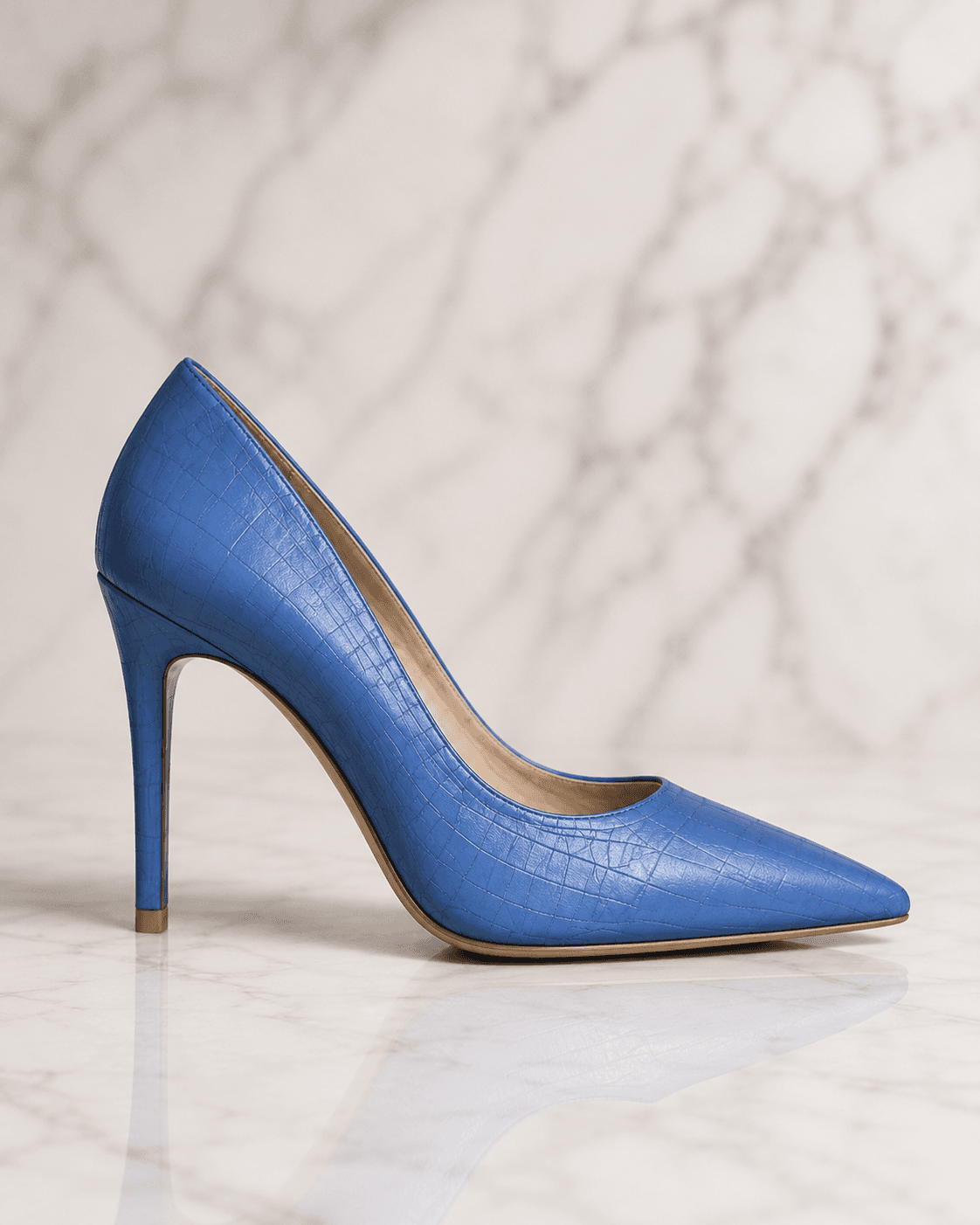
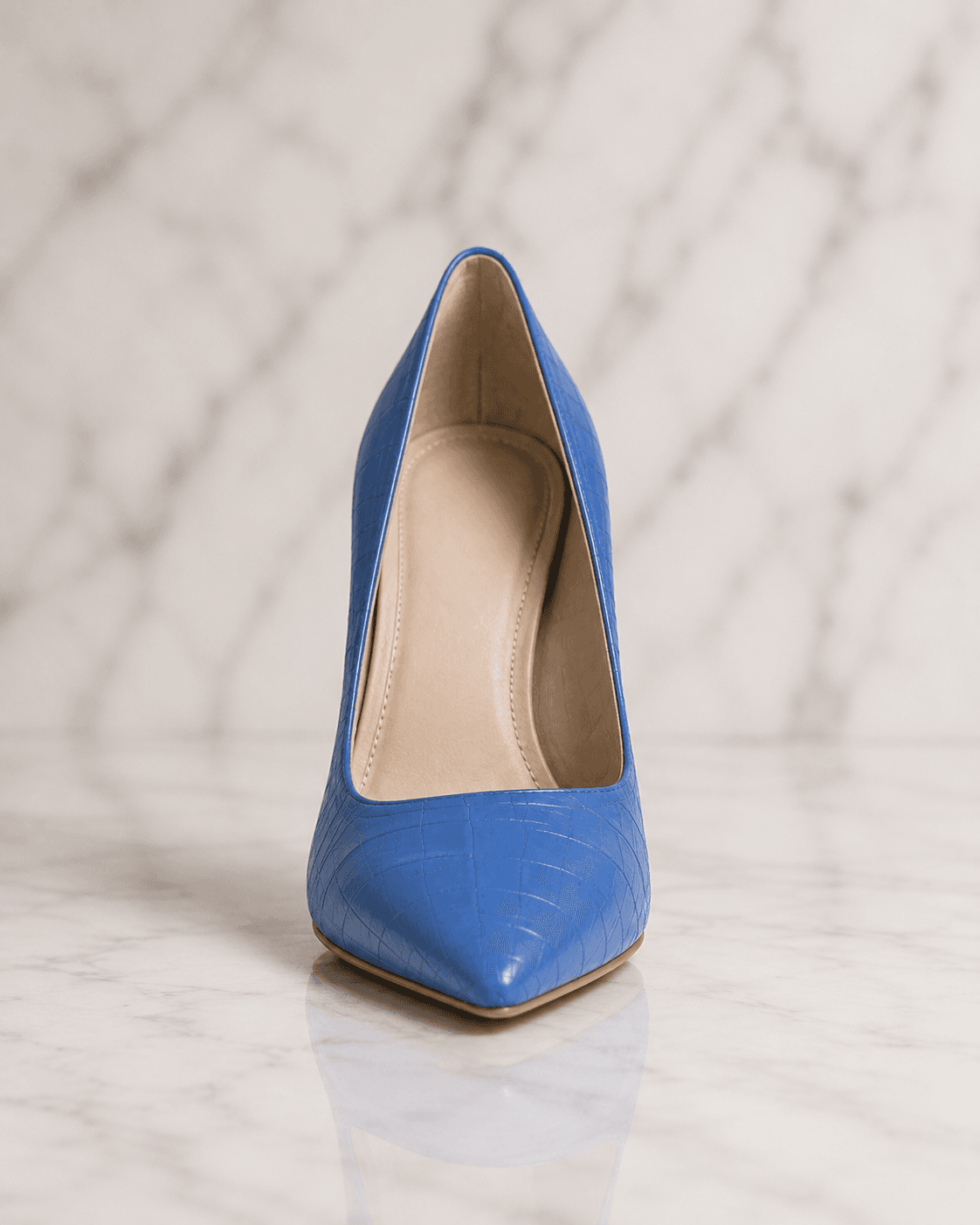
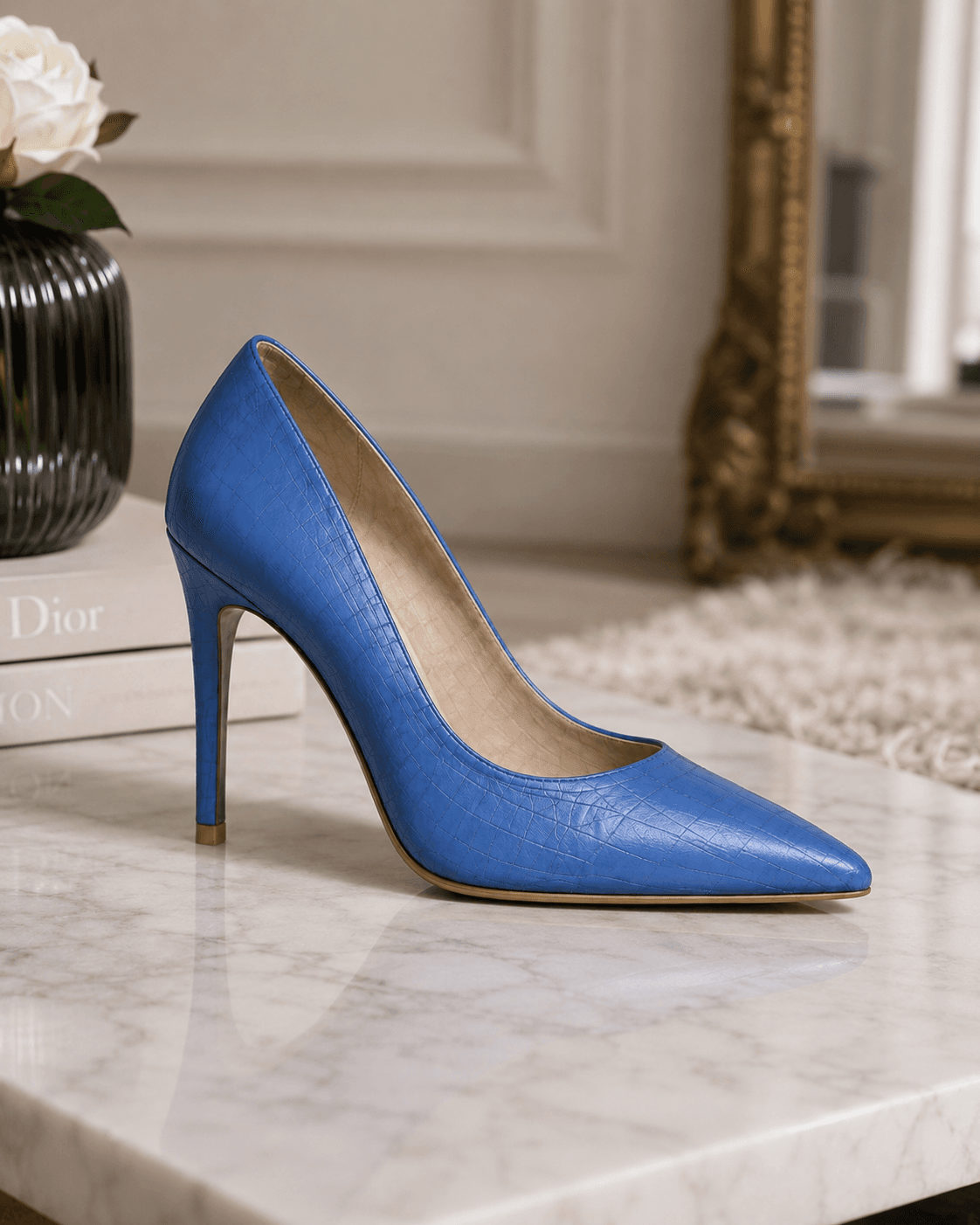
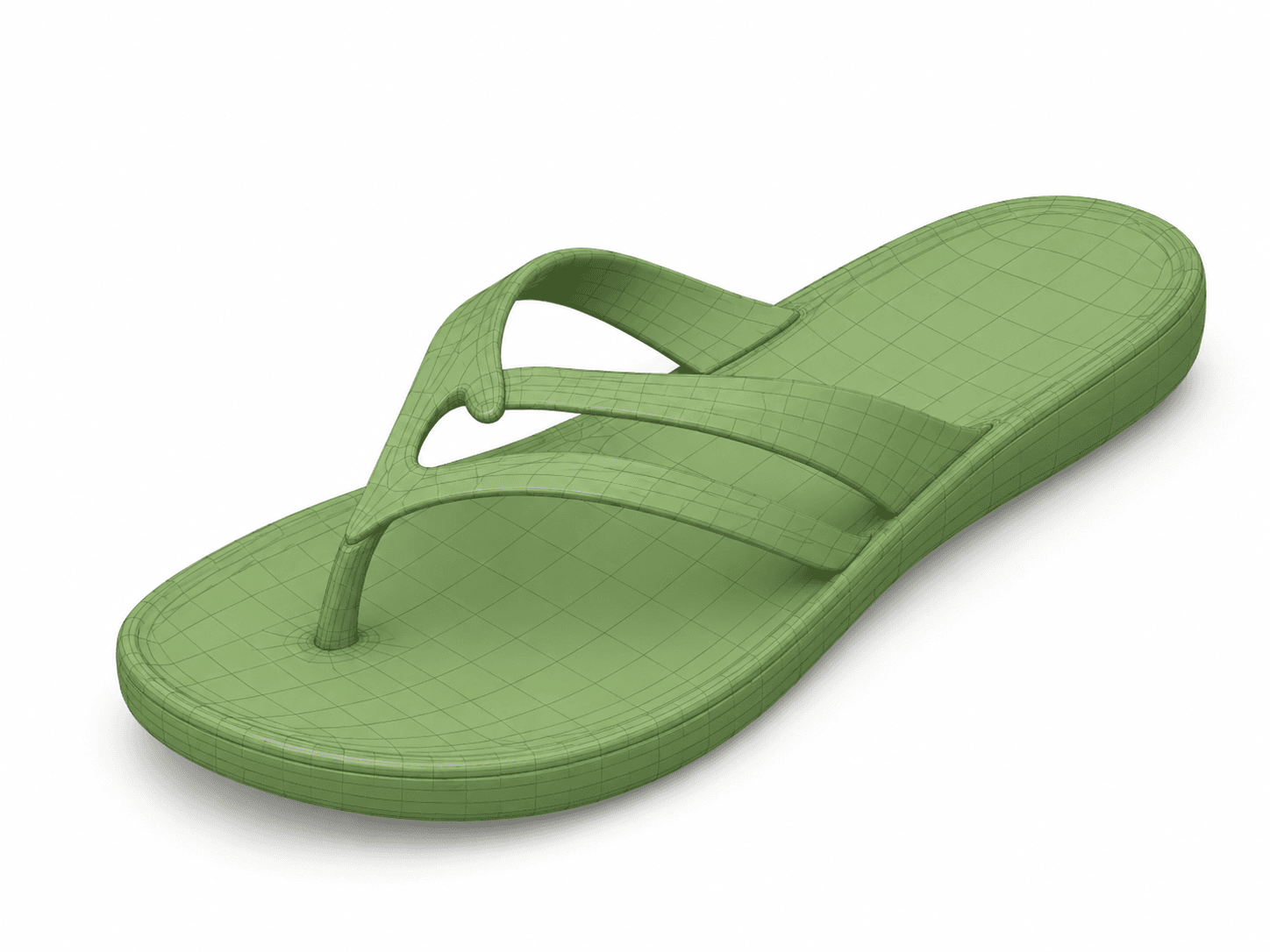
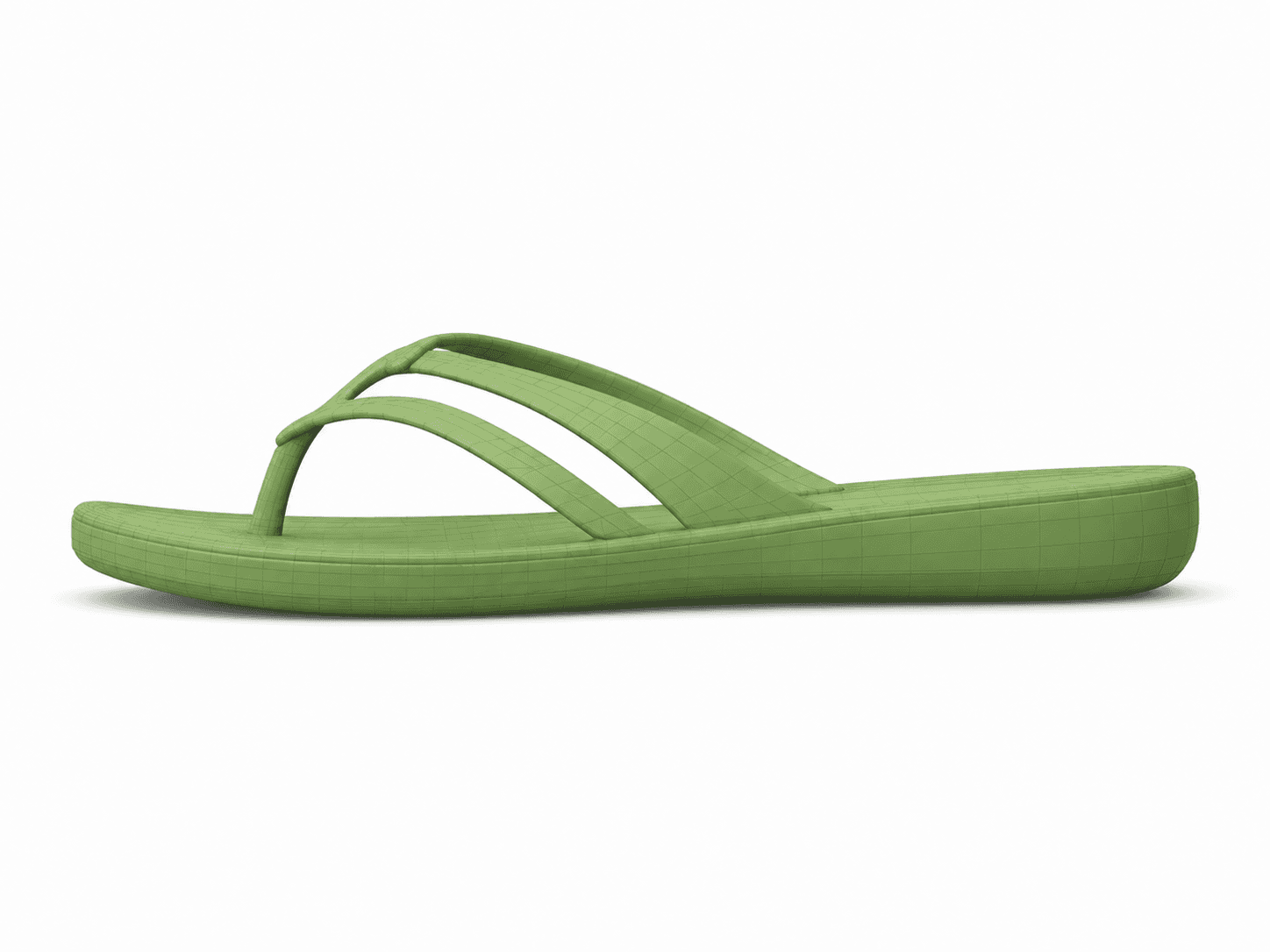
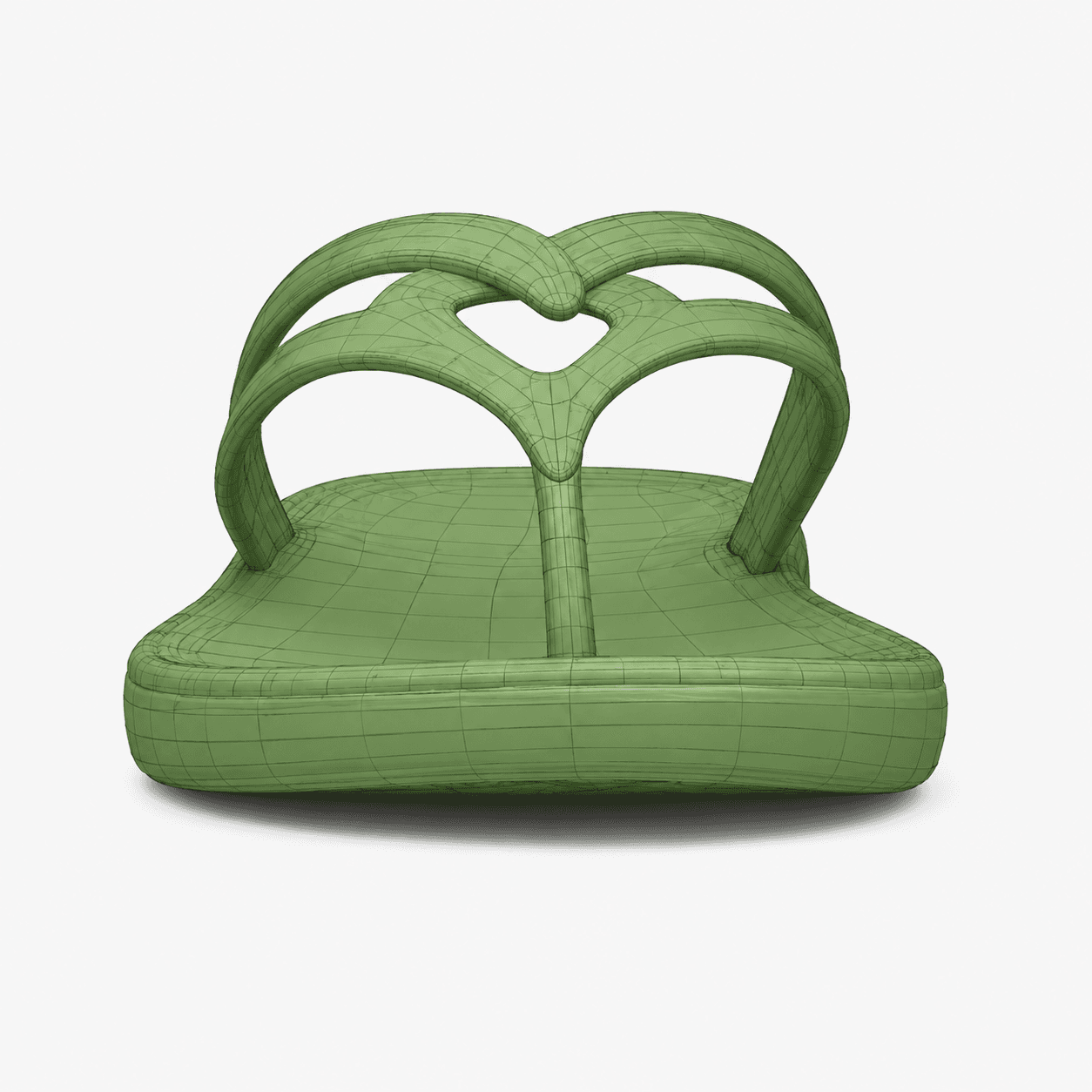
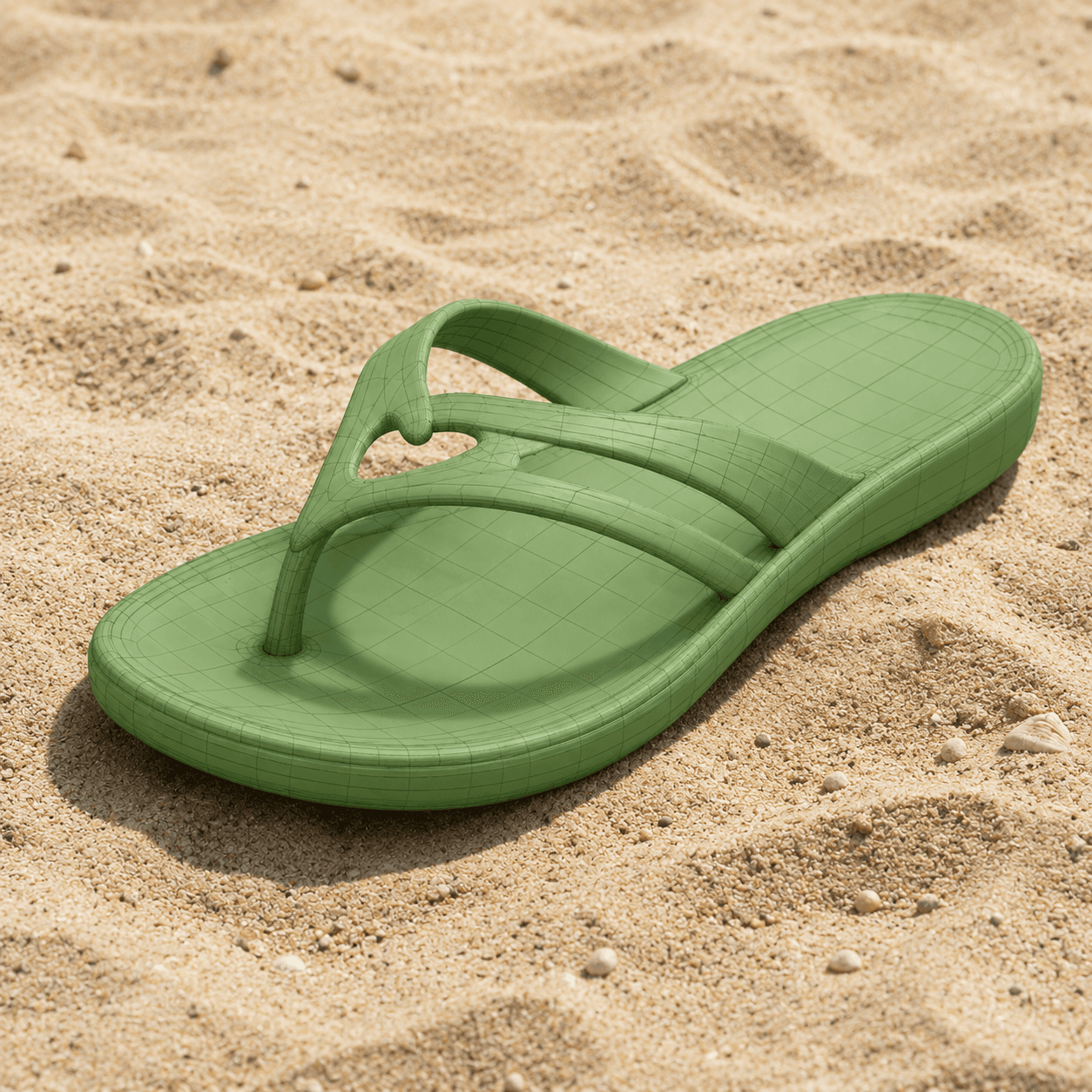
Then the same brand books a photography studio to shoot the same 100 SKUs for the 2D catalog. Hero shot from a 3/4 angle. Clean side profile. Front view. Maybe a lifestyle shot on a surface with props. Studio rates for footwear photography run $50-200 per SKU depending on the level of post-production. For 100 SKUs across four angles, that is $20,000-80,000 in photography spend - on products they have already captured in 3D.
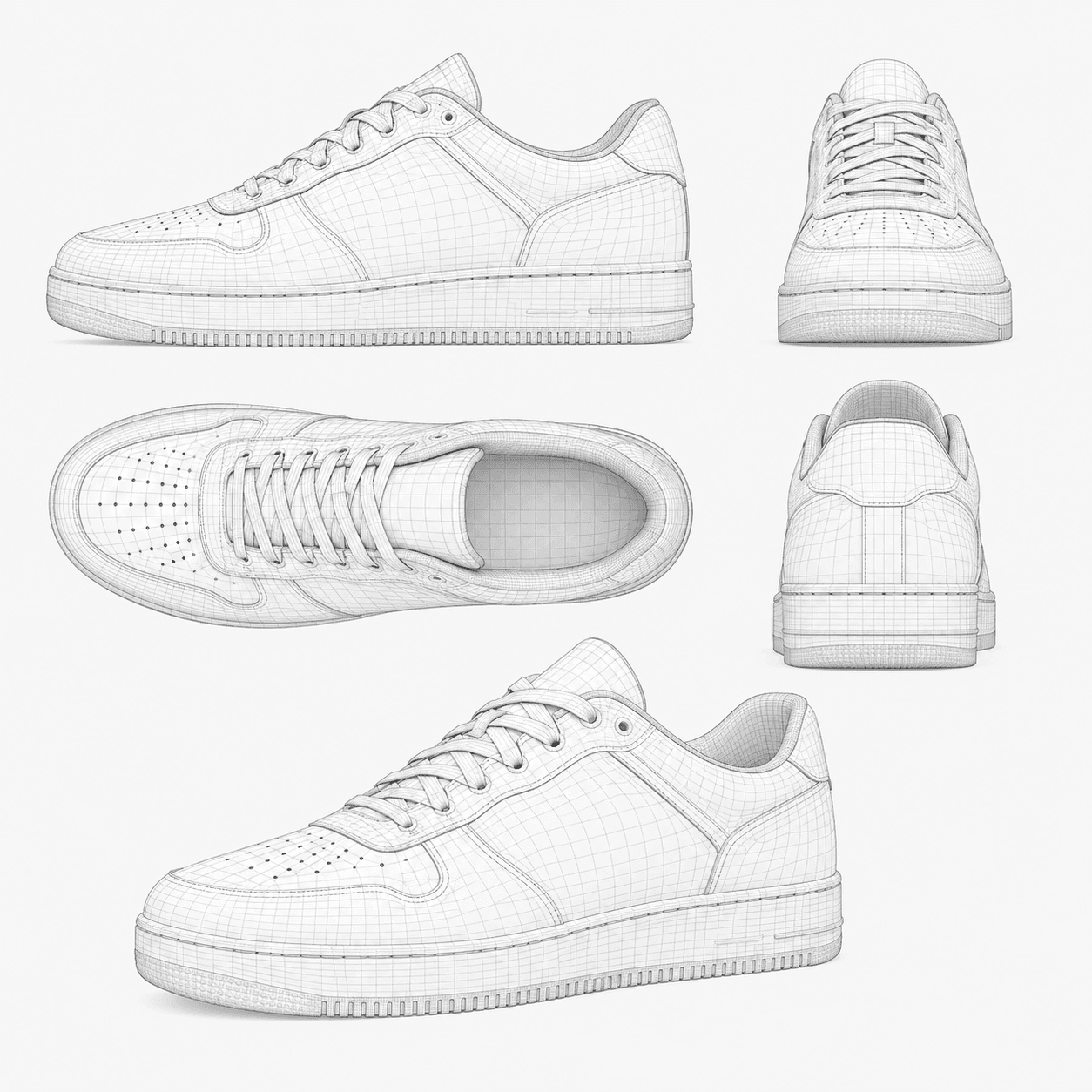
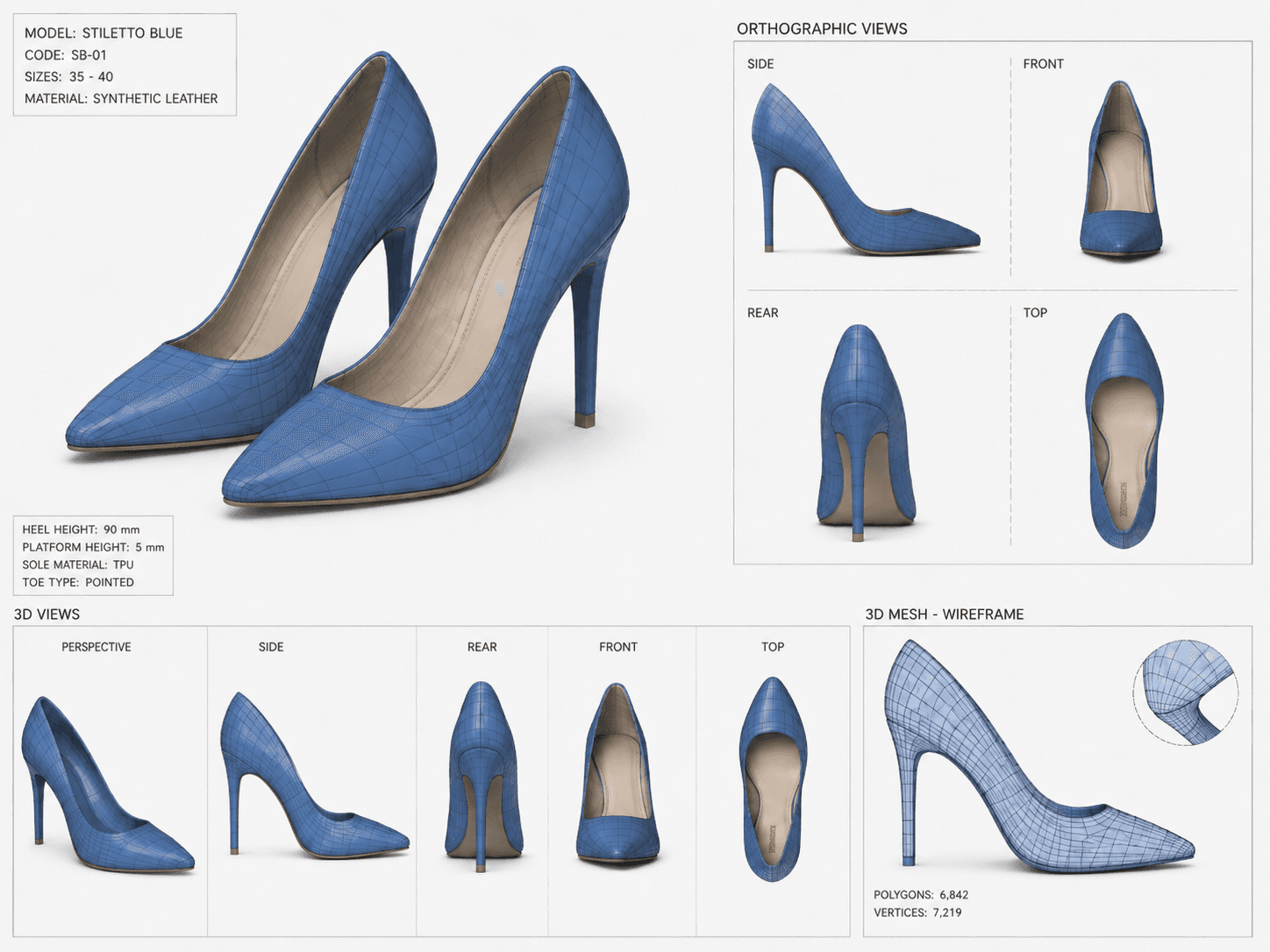
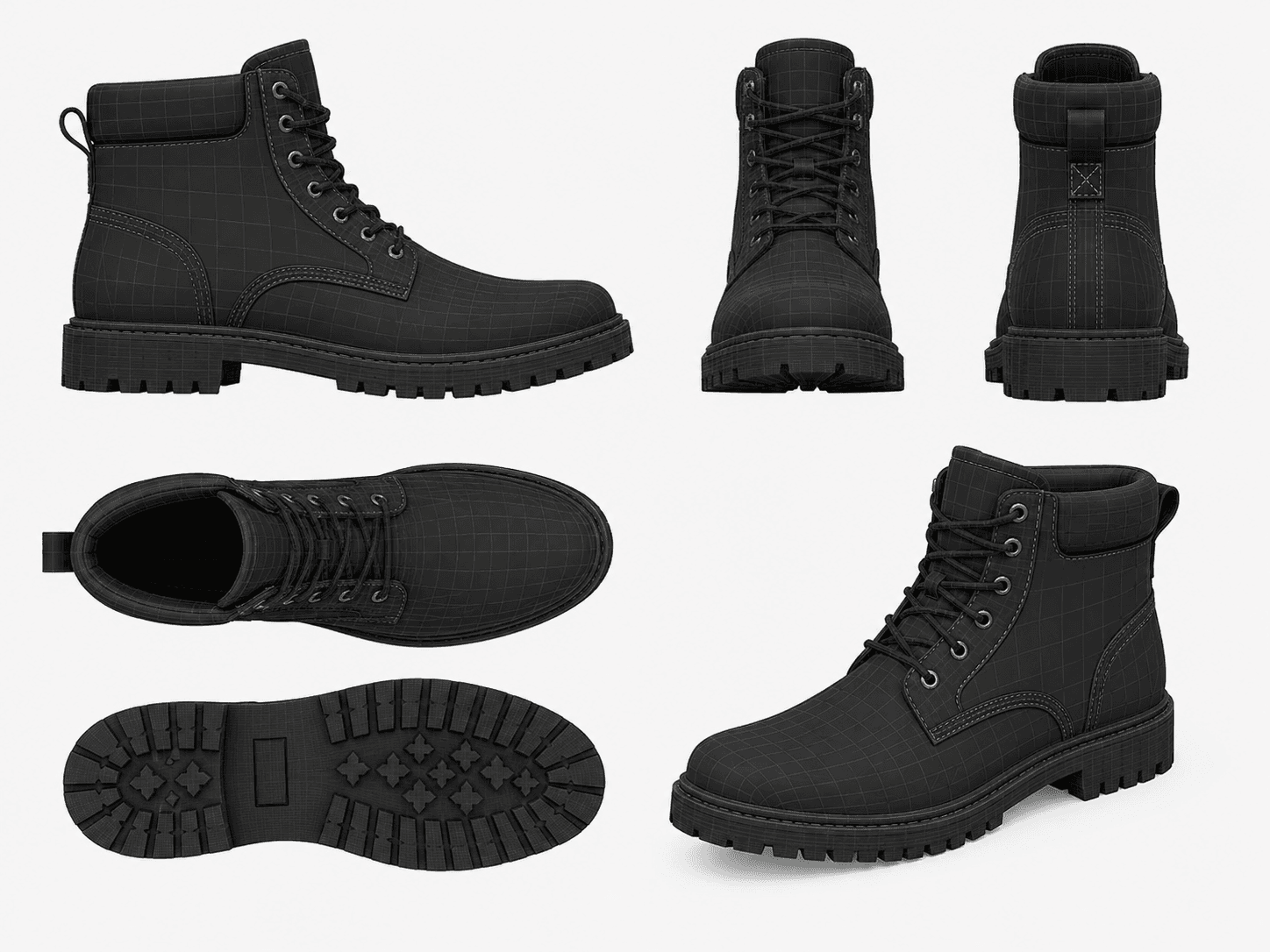
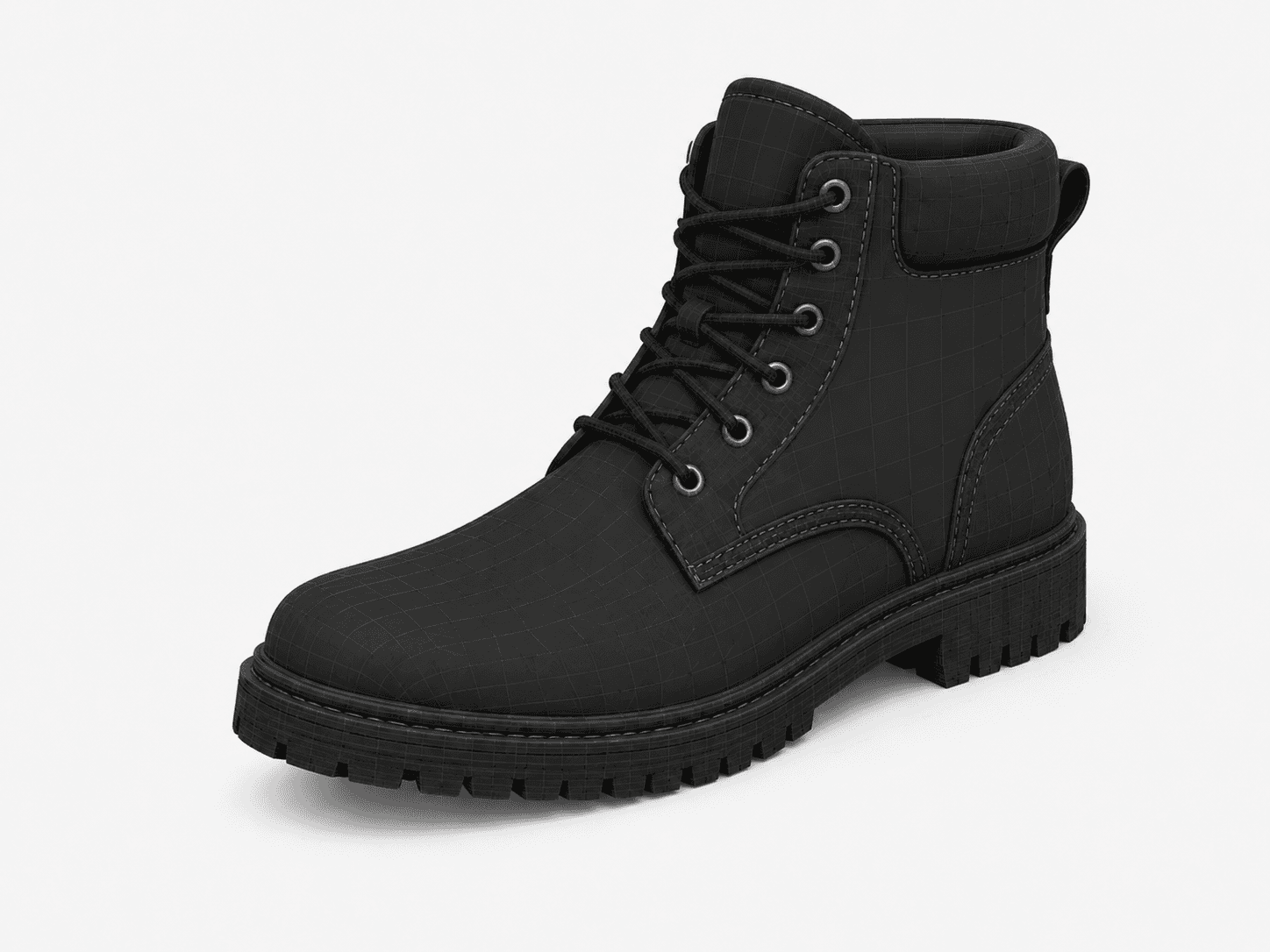
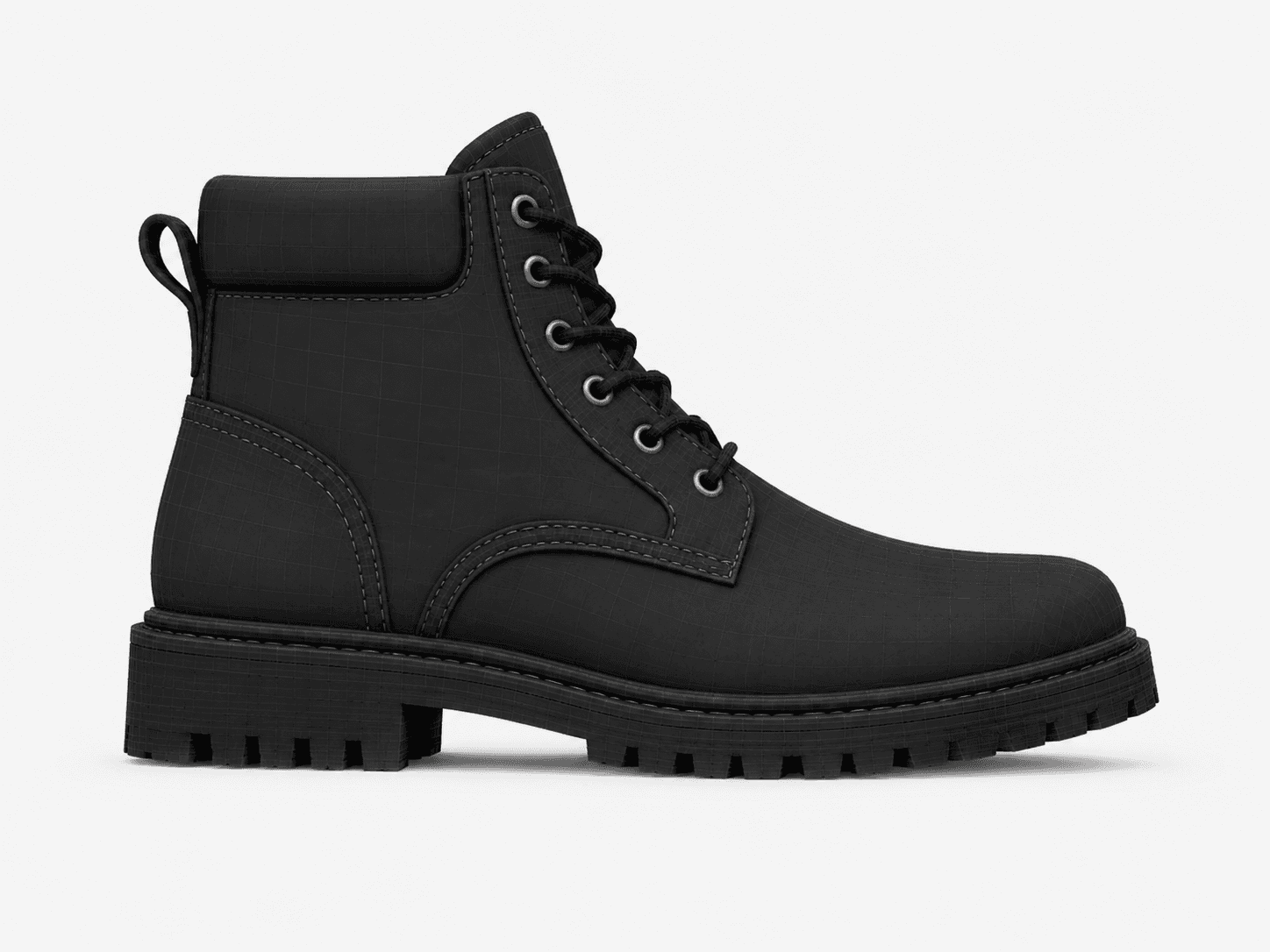
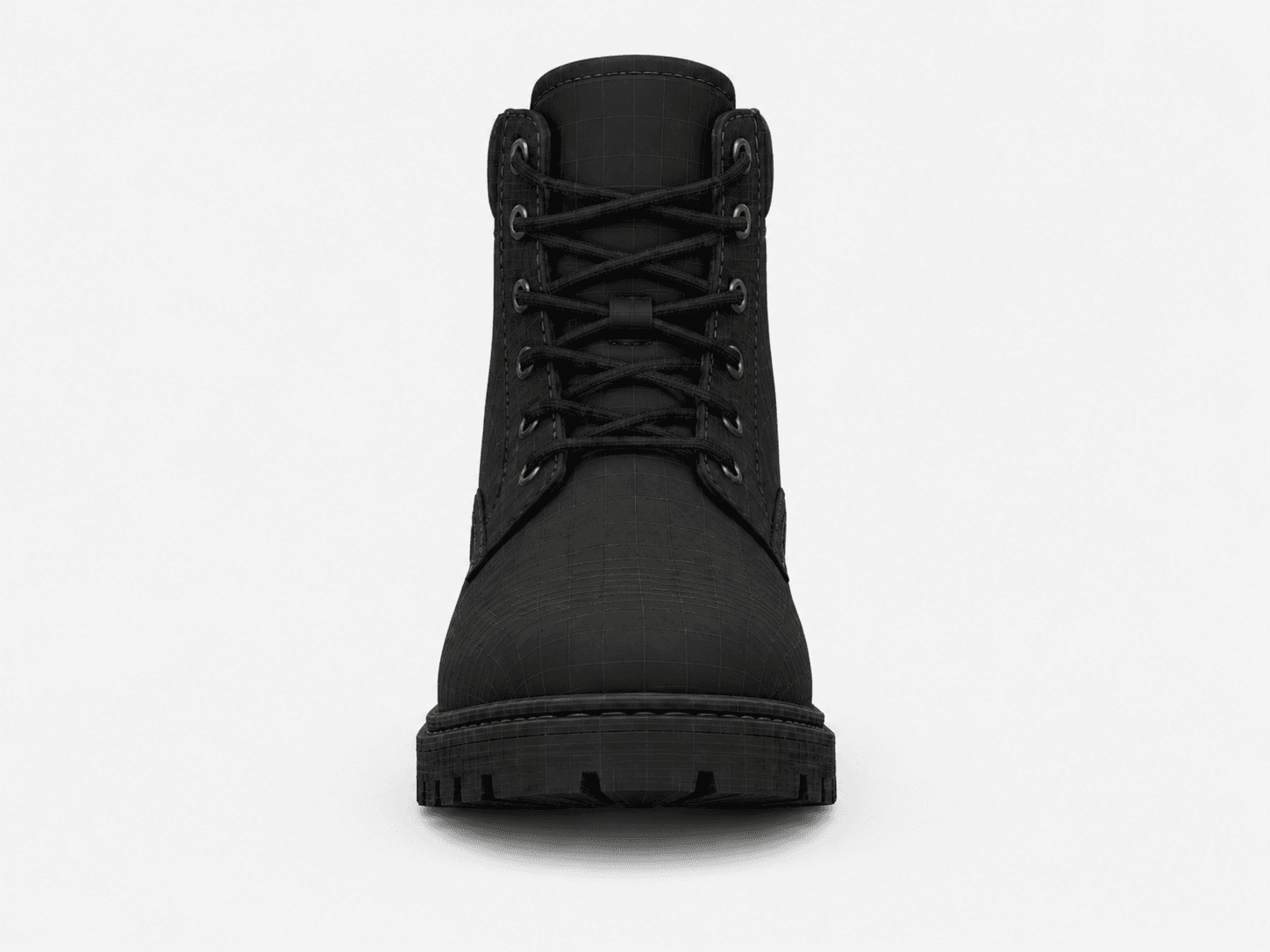
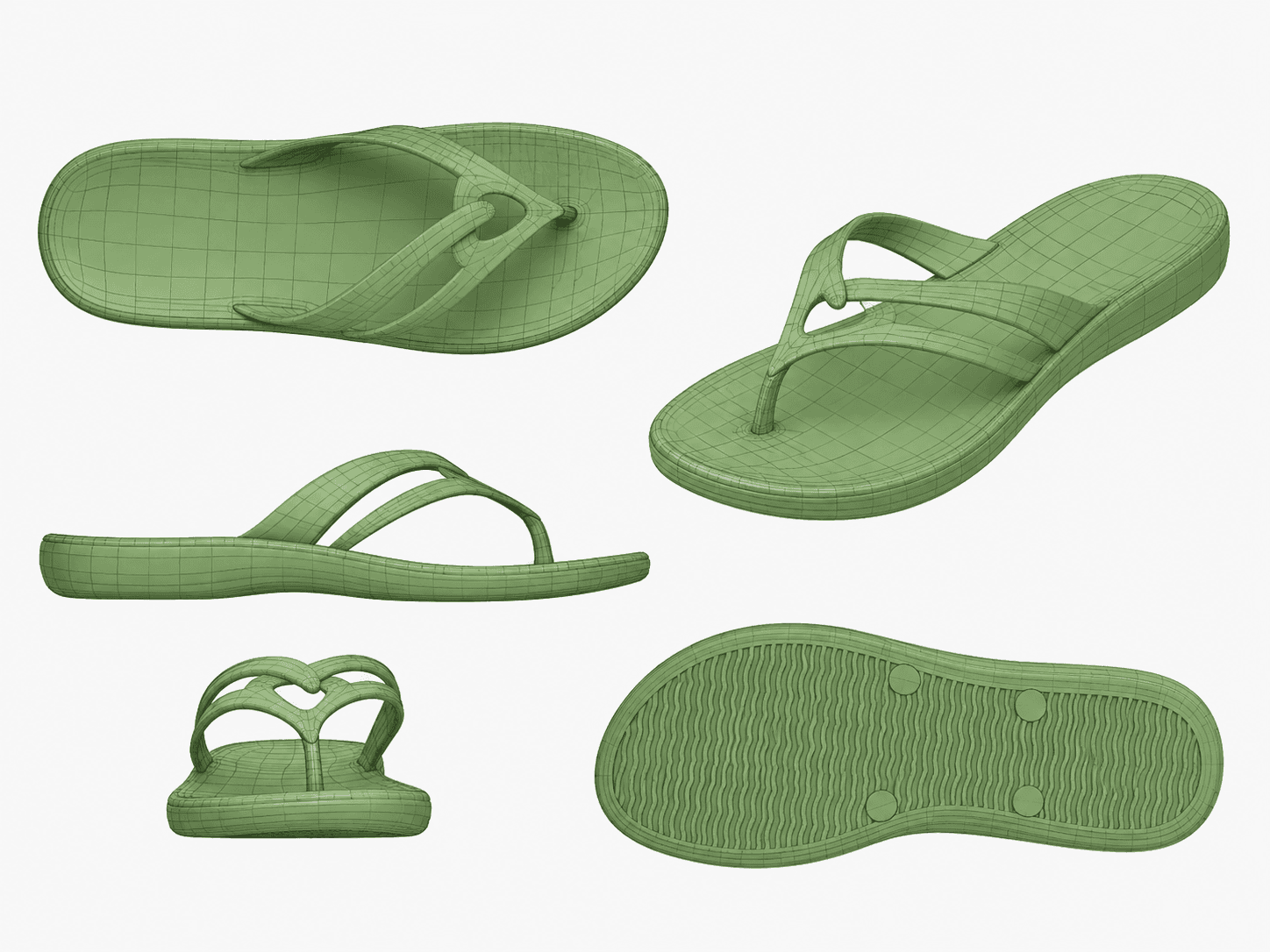
The 3D mesh contains everything needed to render any 2D view: geometry, materials, surface normals, texture maps. What it lacks is the lighting art direction, scene composition, and lifestyle background that make catalog imagery look like catalog imagery rather than a CAD render. That is the gap the pipeline fills - not 3D rendering in the traditional CG sense, but AI-enhanced 2D generation conditioned on the 3D mesh geometry and material data.
The technical pipeline: from mesh to catalog
The pipeline has five stages, each designed to operate on the 3D asset exports that Fibbl already makes available to brands.
Stage 1 - Mesh ingestion. Fibbl exports 3D assets in standard formats (GLB/GLTF with embedded PBR materials). The pipeline ingests these exports and extracts the geometry, material properties (albedo, roughness, metallic maps), and UV layout. This extraction takes under a second for standard footwear SKU complexity.
Stage 2 - Camera angle computation. For each requested output angle (hero 3/4, side profile, front view, lifestyle), the pipeline computes the camera position and field of view that matches the brand's catalog photography standard. Brands typically have a defined set of angles used consistently across their catalog - these can be specified as angle presets in the API call or calibrated once per brand and stored as a configuration profile.
Stage 3 - Physically-based render. The mesh is rendered at high resolution using physically-based rendering to produce a technically accurate base image. This is standard CG pipeline work - the output looks like a CAD visualization, not a photograph. Material accuracy is high; lighting realism and background integration are not.
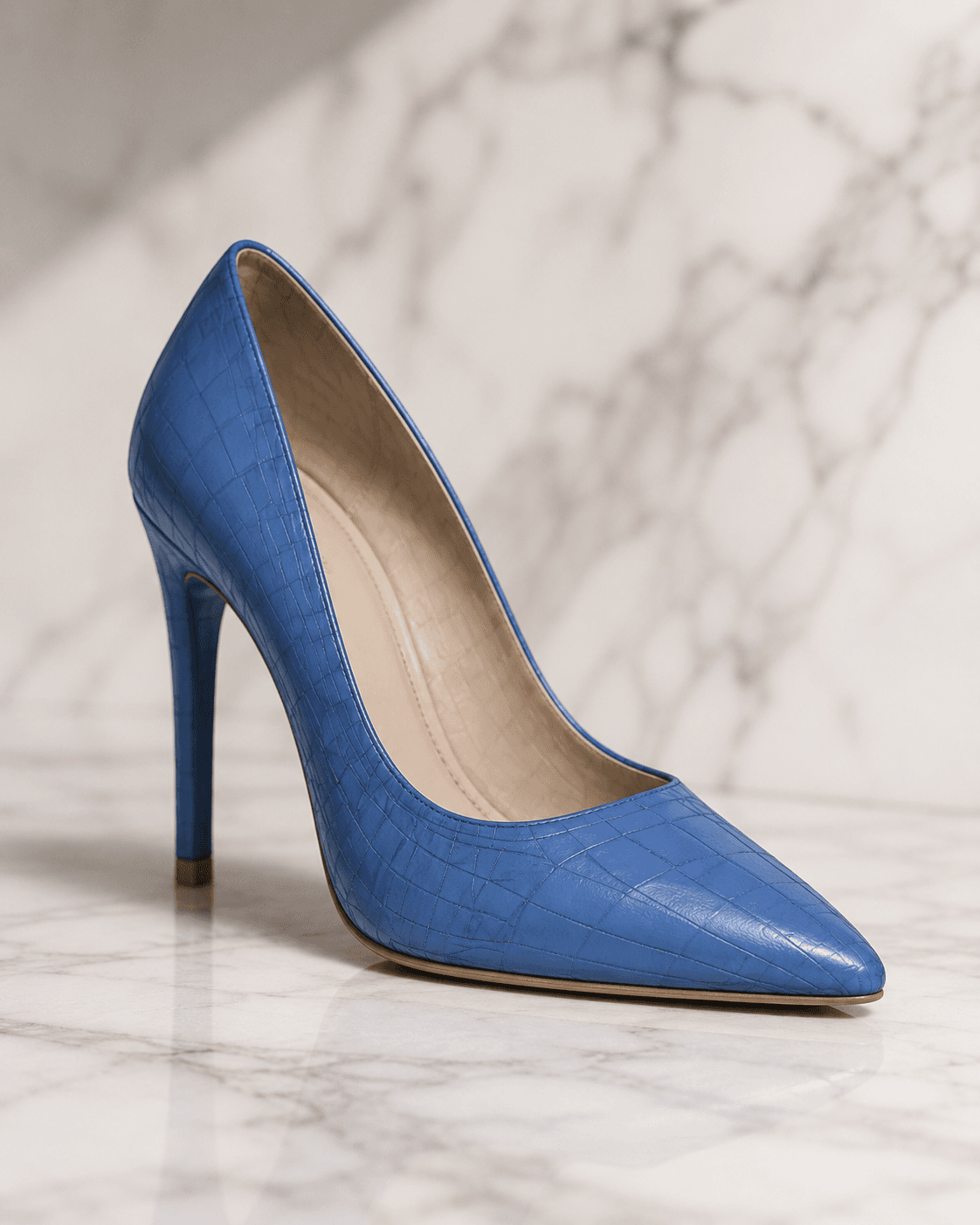
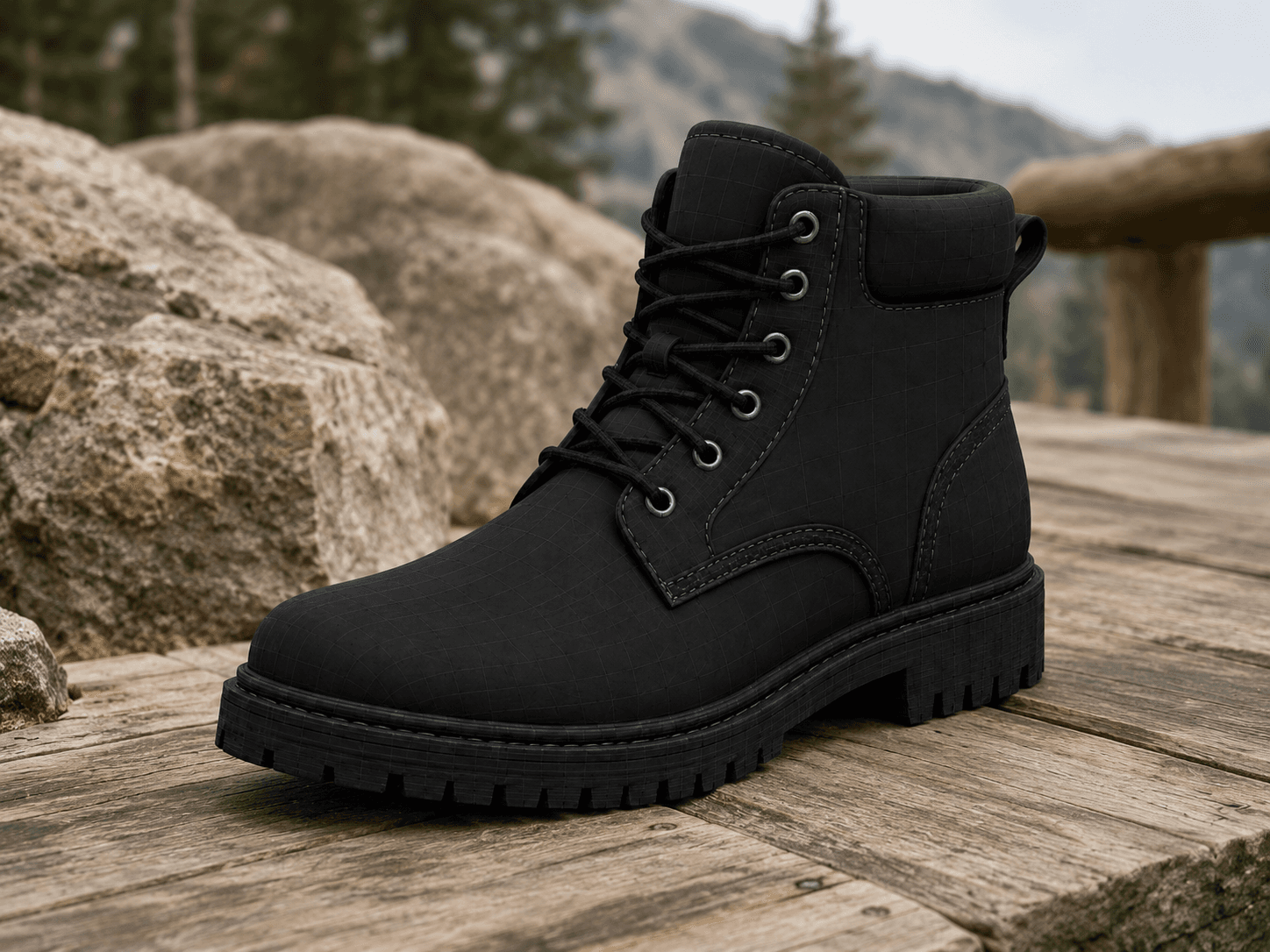
Stage 4 - AI lighting and scene enhancement. The physically-based render is passed to a diffusion model conditioned on the base render for structure fidelity and a style prompt for the target photographic look. The model synthesizes photorealistic lighting, adds surface shadows and reflections consistent with studio or lifestyle lighting setups, and optionally composites the shoe into a scene background. This is the step that transforms a CG render into catalog photography.
Stage 5 - Sentinel quality gate. The output is scored against the input render for geometric consistency (verifying the shoe's shape has not been distorted by the diffusion step), material accuracy (color and texture match), and photographic quality (sharpness, exposure, shadow believability). Outputs below threshold are rejected and retried.
Total pipeline latency per angle on a dedicated A100: 8-15 seconds depending on scene complexity. A full 4-angle catalog set (hero, side, front, lifestyle) for one SKU processes in 35-60 seconds. For a 100-SKU catalog with 4 angles each, the entire run completes in under two hours - versus 2-3 days of studio scheduling, shooting, and post-production.
The cost comparison: studio vs pipeline
Per-SKU economics at standard catalog scale:
| Cost component | Photography studio | 3D-to-2D pipeline (managed) | Self-hosted GPU |
|---|---|---|---|
| Per SKU (4 angles, white bg) | $100-400 | ~$2-4 | ~$0.80-1.50 |
| Lifestyle angle (scene comp) | $150-500 | ~$3-6 | ~$1.20-2.00 |
| 100-SKU catalog (4 angles) | $40,000-160,000 | ~$800-1,600 | ~$2,000 (infra + engineer) |
| New colorway (from existing mesh) | $100-400 (full reshoot) | ~$1-2 (rerender) | ~$0.40-0.80 |
| Turnaround (100 SKUs) | 2-3 weeks | Under 2 hours | Under 2 hours |
| Engineer overhead | $0 | $0/mo | $8,000-12,000/mo |
The colorway economics are the most compelling. A footwear brand that releases a new colorway of an existing silhouette currently needs a full reshoot - same studio rate, same day. With the 3D mesh already scanned, a colorway variation is a material swap in the pipeline and a rerender at a fraction of the original cost. Brands with seasonal colorway programs (common in running footwear and lifestyle sneakers) generate the most immediate value.
The partnership angle: why this is a Fibbl channel play
Building this as a standalone service means prospecting footwear brands cold. Building it as a Fibbl extension means walking into conversations with brands that have already proved they will pay for 3D infrastructure, have the 3D assets ready, and have a known downstream pain (the photography budget). Fibbl has 12+ named brand customers with active 3D catalogs. Each is a warm introduction to the catalog photography gap.
The partnership model that makes sense: a white-label or co-branded catalog generation feature surfaced inside Fibbl's brand dashboard. Fibbl customers click 'generate catalog images' from their existing 3D asset library. The pipeline handles the rendering in the background. Fibbl takes a revenue share; the service provider handles the infrastructure. Neither party needs to build the other's core product.
Fibbl's explicit position per research: they refuse to build full production pipelines. They focus on the 3D viewer and AR layer. The catalog imagery gap is not a product they are planning to fill - which makes it a genuine channel partnership opportunity rather than a competitive threat.
The ICP beyond Fibbl
The Fibbl partnership is the highest-leverage entry, but the pipeline is useful to any footwear brand that has 3D assets from any source. Brands using competitor 3D platforms (Vertebrae, Tangiblee, Zakeke) face the same downstream photography gap. Brands that have done photogrammetry scans for AR try-on (a separate category from Fibbl) have mesh files that can feed the same pipeline. The total addressable set is any footwear brand that has invested in 3D scanning - which in 2026 is a significant and growing segment of the mid-market and premium footwear industry.
The secondary ICP is the footwear photography studio that currently handles both the 3D scanning and the 2D photography for brands. Several specialized studios offer both services as a bundle. A pipeline that generates the 2D outputs automatically from the 3D scan changes the studio's unit economics: the 3D scanning session produces both the viewer asset and the catalog photography in one workflow. The studio delivers more value, reduces shoot time, and can price the 2D catalog generation as a service add-on at higher margins than raw photography hours.
Technical constraints and open questions
Three constraints to account for in the build:
Material fidelity on complex surfaces. Footwear materials - suede, nubuck, patent leather, mesh fabric, rubber - have distinctive surface properties that are easy to distinguish when rendered incorrectly. Suede with incorrect microfiber texture or patent leather with wrong specular response will be immediately visible to a footwear buyer. The diffusion enhancement step needs to be conditioned with material class labels extracted from the mesh's PBR material data to select the correct photographic rendering style.
Sole and outsole detail. The outsole geometry is the most complex part of most athletic and performance footwear - deep flex grooves, multi-durometer zones, complex tread patterns. These details must survive the diffusion enhancement step without being smoothed or altered. A structured preservation score on the outsole area is recommended as part of the Sentinel quality gate.
Fibbl mesh export format and resolution. The pipeline's quality ceiling is limited by the resolution of the 3D scan input. Fibbl's standard scan resolution is optimized for web viewer performance, not photorealistic rendering - which means the base render may lack fine surface detail that would be captured in a dedicated photogrammetry scan at higher resolution. This constraint should be communicated clearly to brand clients: pipeline output quality is bounded by input scan quality.
Competitive landscape
No company offers a pipeline that takes Fibbl 3D exports specifically and generates 2D catalog photography. Photta, CreatorKit, and Scalio offer footwear photography tools but work from physical photographs - they do not ingest 3D meshes. Traditional CG visualization agencies (used by automotive and electronics brands) can render from 3D assets but price at bespoke rates with long turnarounds, not API rates with sub-hour delivery. The specific combination - 3D mesh input, AI-enhanced photorealistic output, API pricing, catalog-speed delivery - does not exist in the market as of May 2026.
| Stack | Infra /mo | AI team | Total cost | Revenue | Margin |
|---|---|---|---|---|---|
Runflow 10% volume discount applied | $900 | $0 | $900 | $6.0K | 85% |
Cloud API + manual QA similar pricing · no auto-QA · part-time engineer needed | $1.0K | ~$5K | $6.0K | $6.0K | 0% |
Self-hosted GPU raw compute · full-time AI engineer required | $400 | $12K | $12K | $6.0K | loss |
Runflow Sentinel — built-in quality control layer that automatically detects and discards failed or low-quality outputs before delivery. You only pay for images that pass QA. No engineer needed to babysit the pipeline.
Pricing based on Runflow published rates (June 2026) with automatic volume discounts. Revenue column is illustrative — actual client pricing varies by vertical and contract size. GPU self-hosted estimate uses $0.04/img raw compute cost.
| Provider | Input | API | Output | Turnaround | Price/SKU |
|---|---|---|---|---|---|
| Fibbl | 3D scan | No | 3D viewer + AR only | Days | €999-1,399/mo platform |
| Photta | Photo | Yes | Multi-angle 2D photos | Minutes | $0.20/img |
| CreatorKit | Photo | Limited | Studio-style photos | Minutes | $2.99/download |
| CG visualization agency | 3D mesh | No (bespoke) | 2D renders | Weeks | $50-200/angle |
| 3D-to-catalog pipeline (gap) | 3D mesh (Fibbl export) | REST API | All 2D catalog angles | Under 1 hr | ~$2-4/SKU |
Where to start
The build starts with a Fibbl partnership conversation, not a code sprint. Approach Fibbl with a working proof of concept on one of their brand customers' exported assets - take a GLB file from a brand that has already consented, run it through the pipeline, produce the catalog angles, and show the output. Runflow handles the GPU layer so the proof of concept is a pipeline build, not an infrastructure build.
The proof of concept needs to demonstrate two things: that the output looks like catalog photography (not a CG render), and that it preserves the material fidelity that footwear buyers and brand creative directors expect. Get both right and the partnership conversation is about commercial terms, not technical credibility.
The channel partnership model here - extending an existing platform's output rather than competing with it - is also the frame for the footwear catalog production bet covered separately. Both opportunities benefit from the same infrastructure and target buyers within the same industry segment.