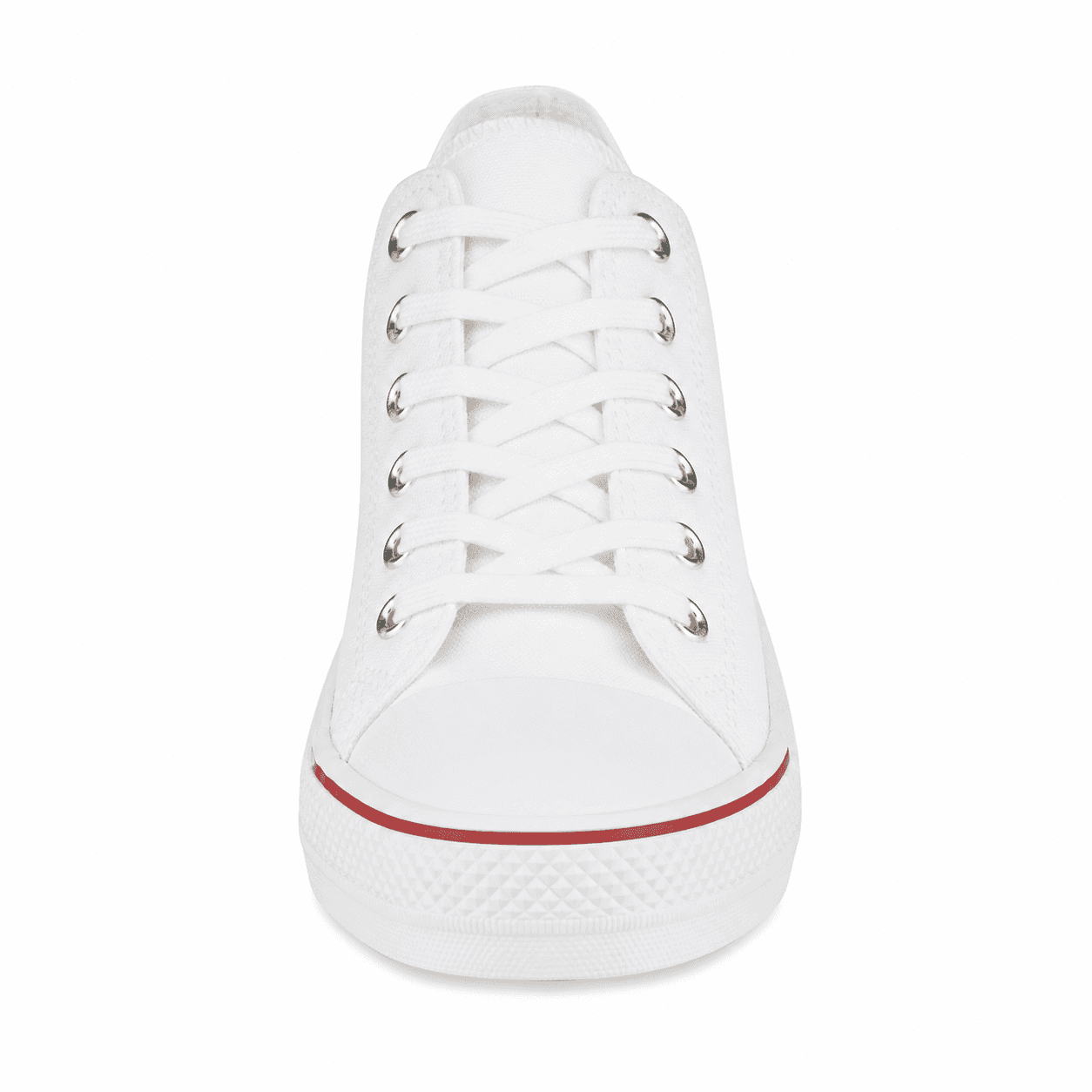
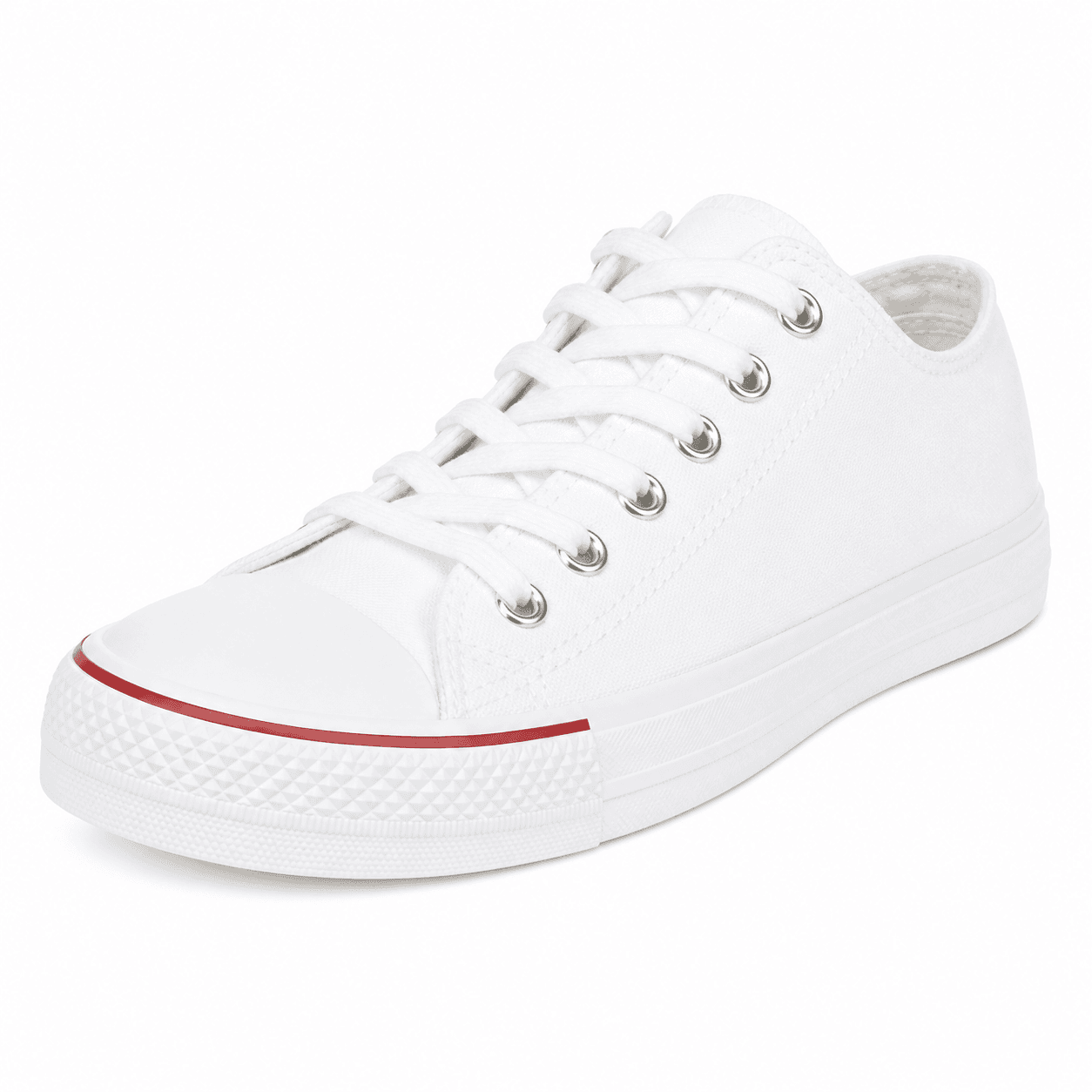
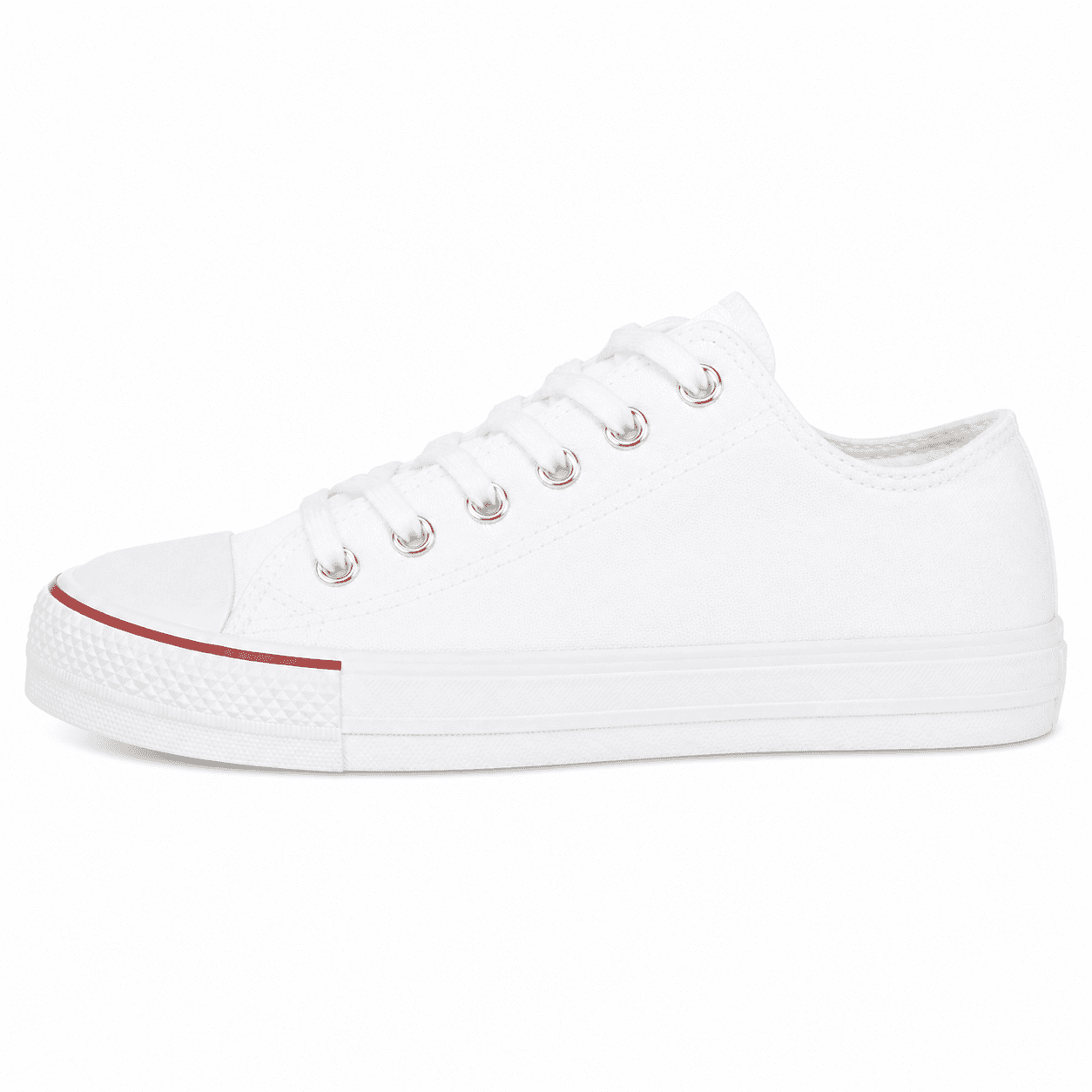
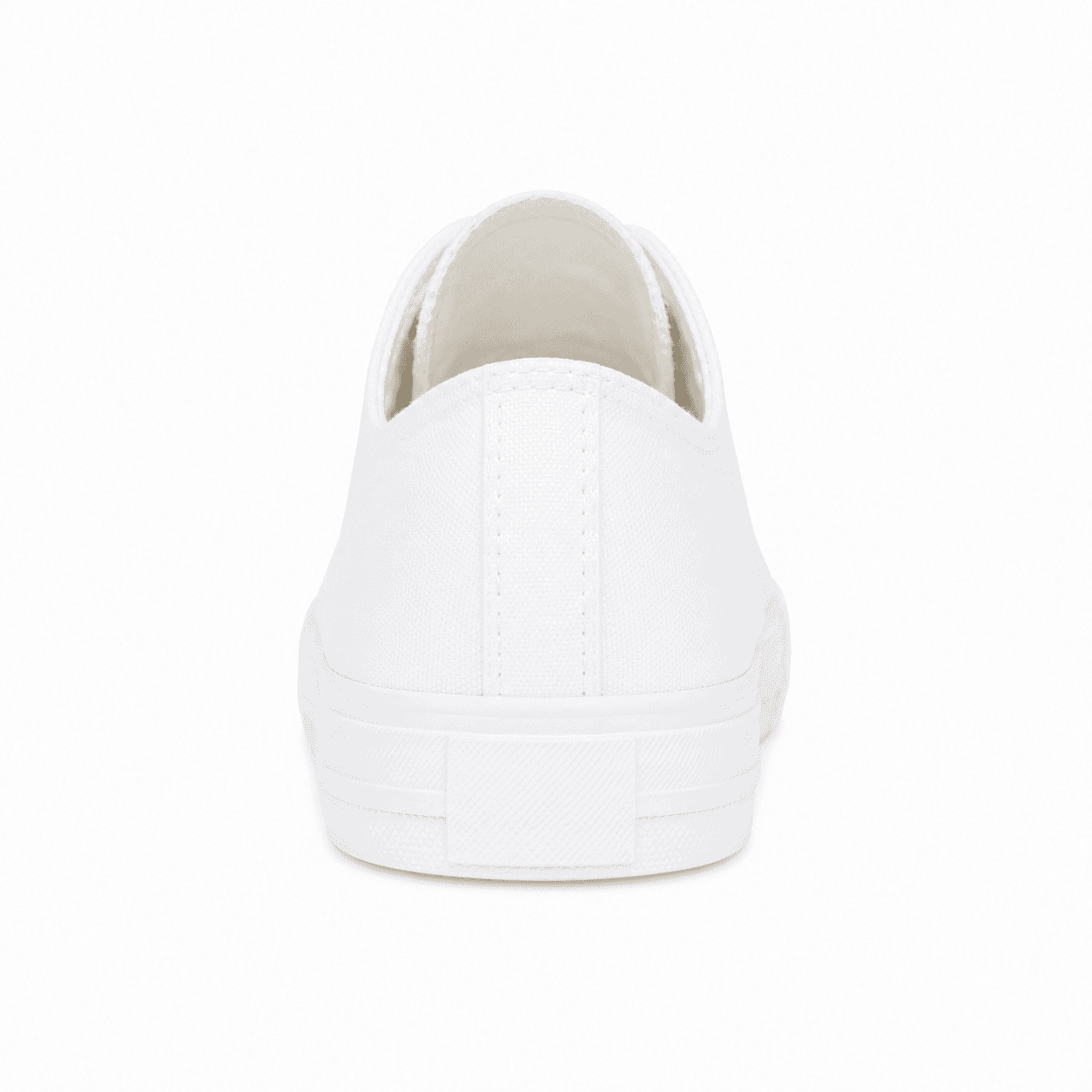
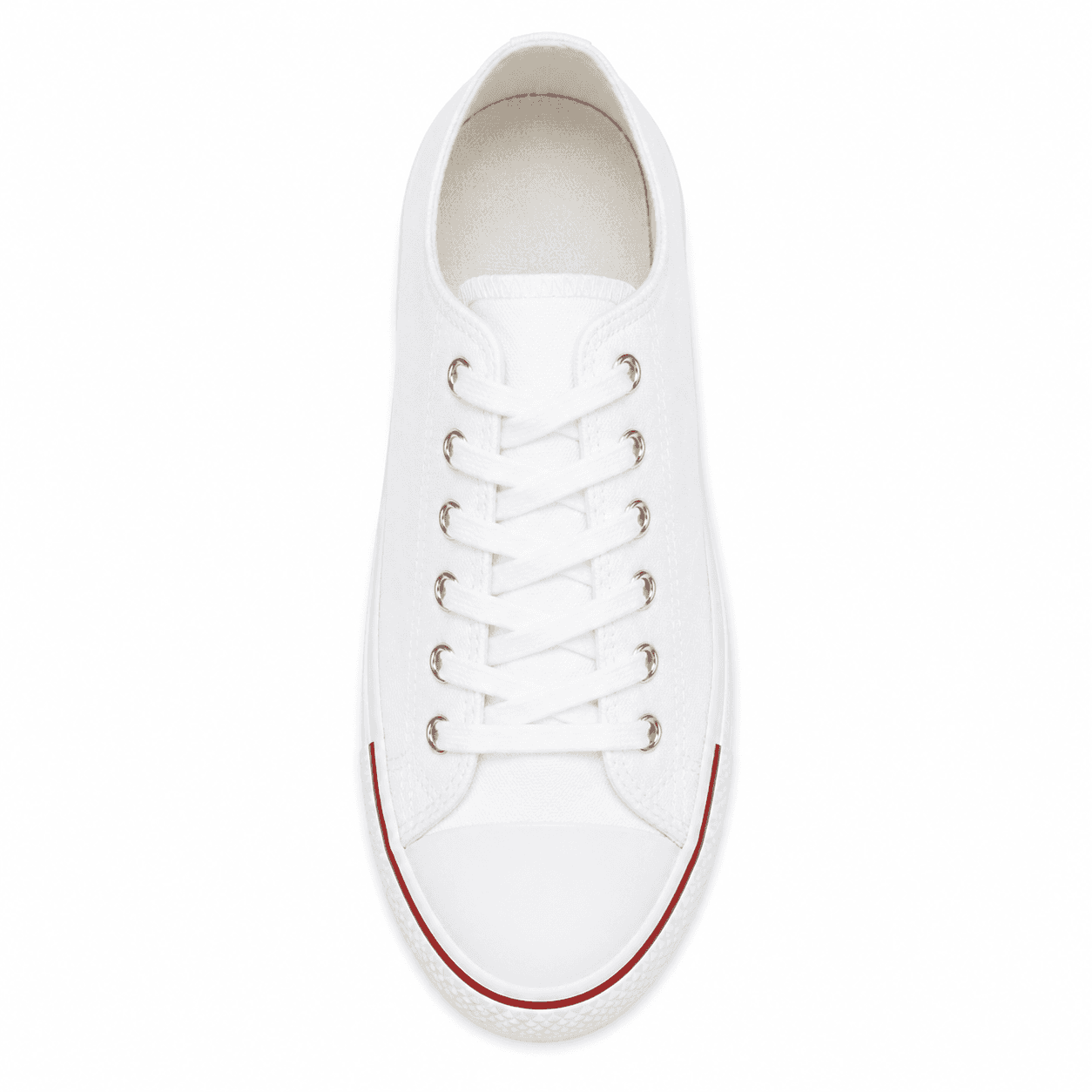
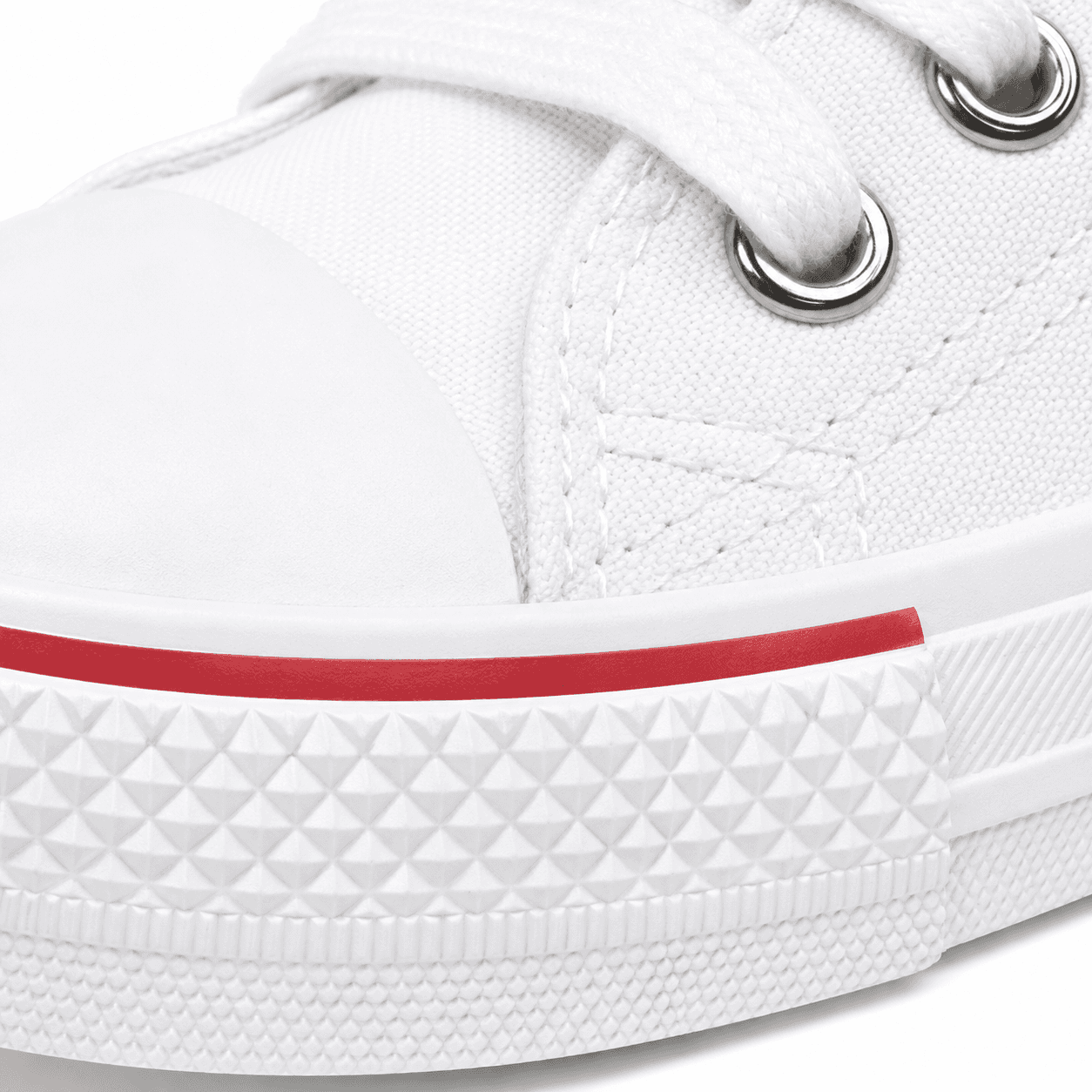
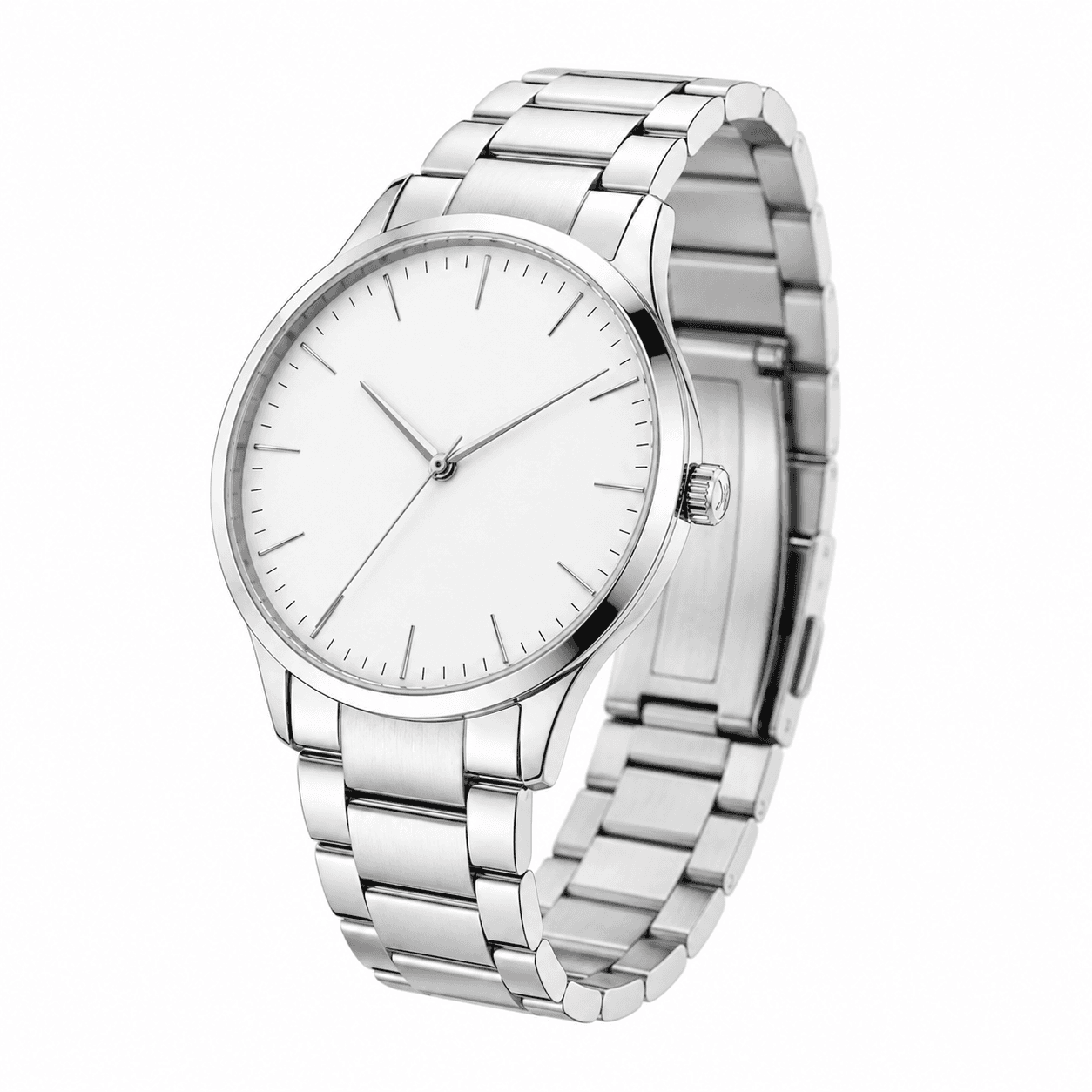
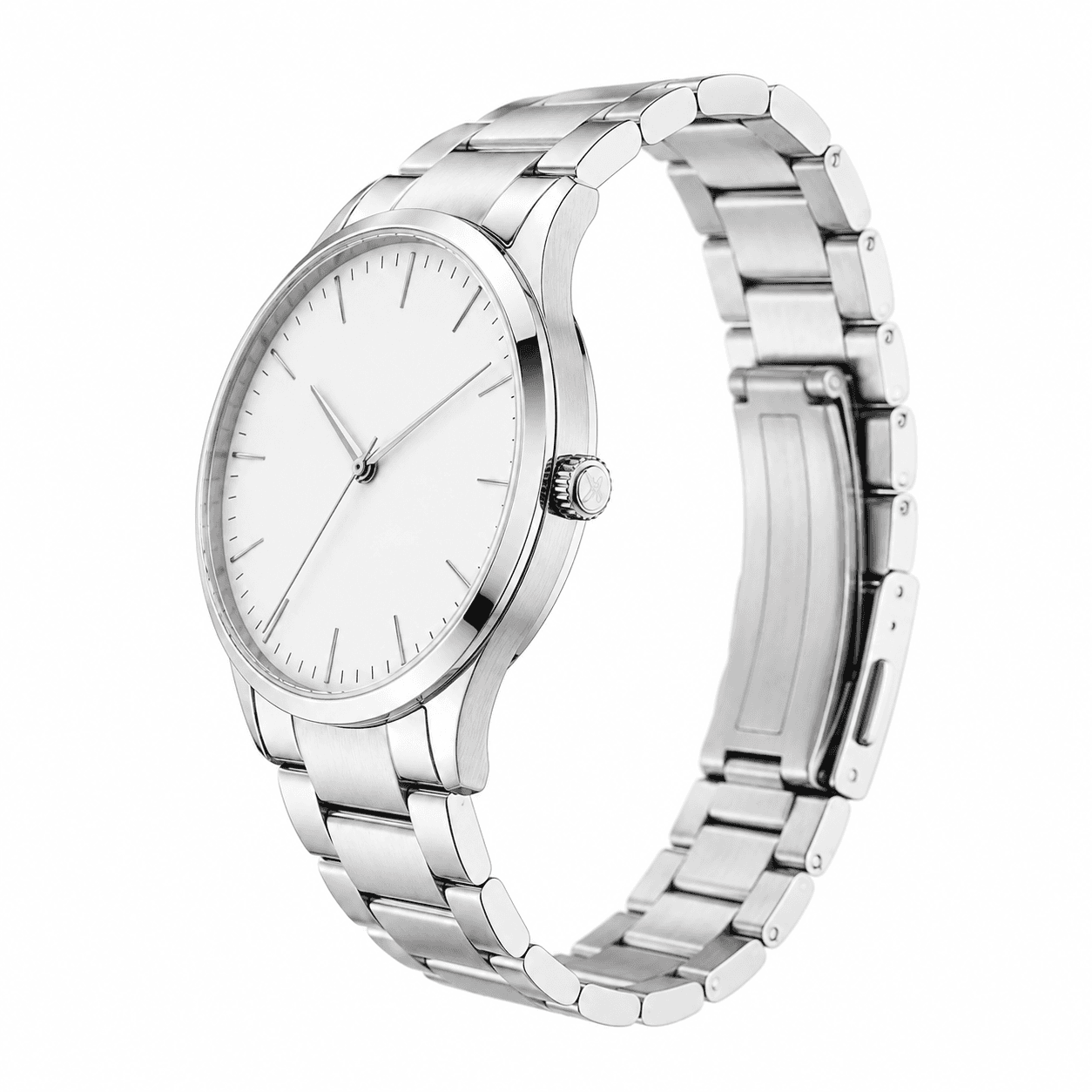
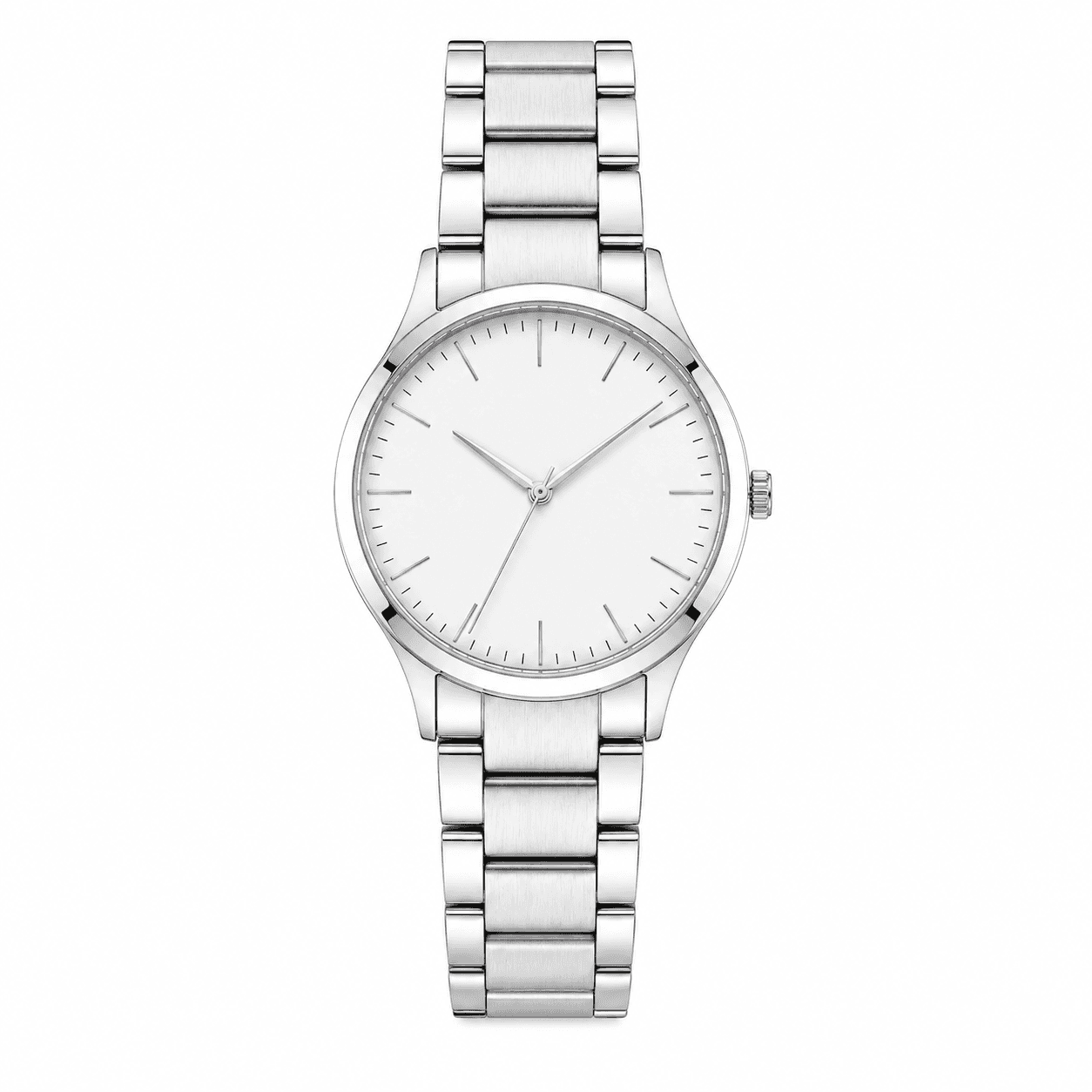
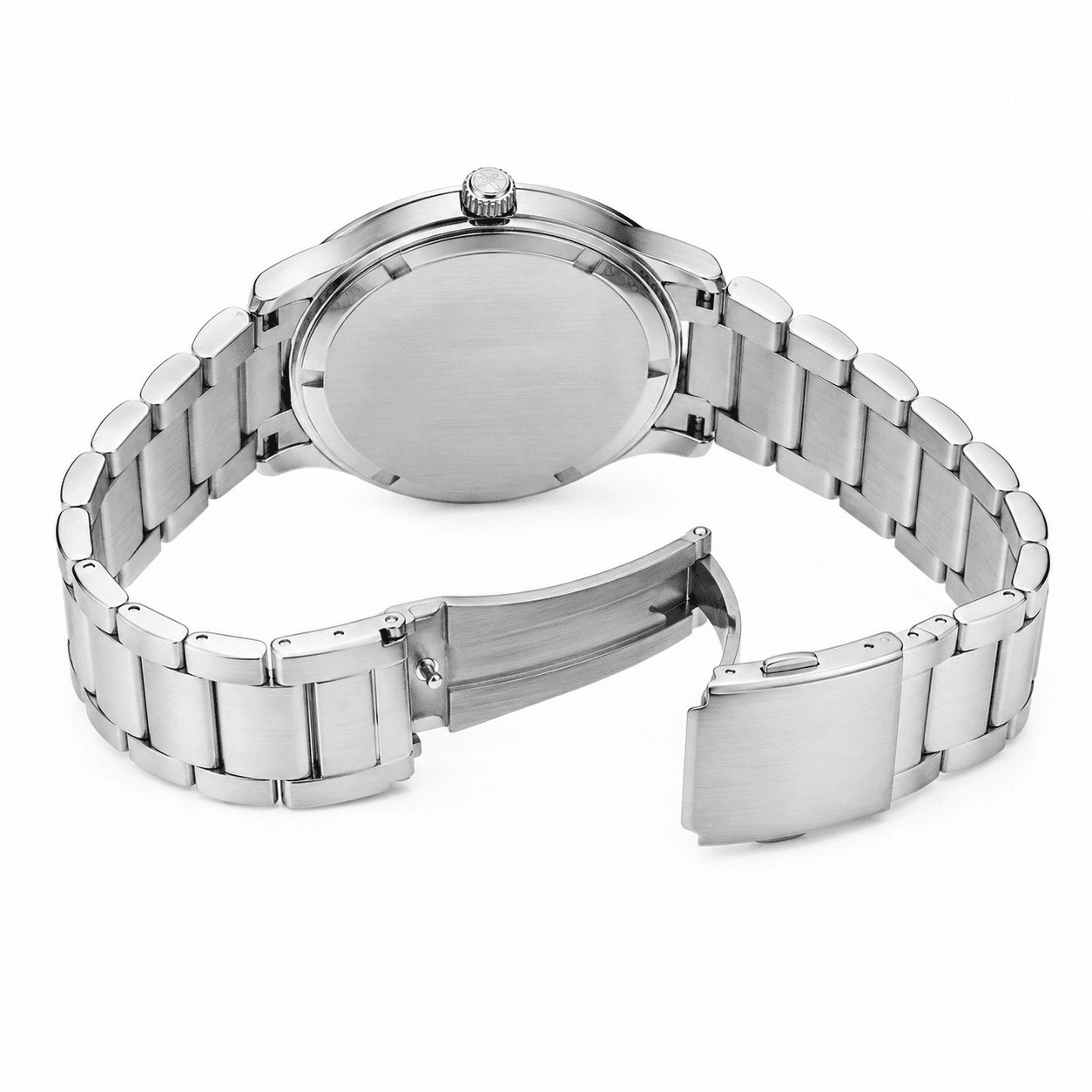
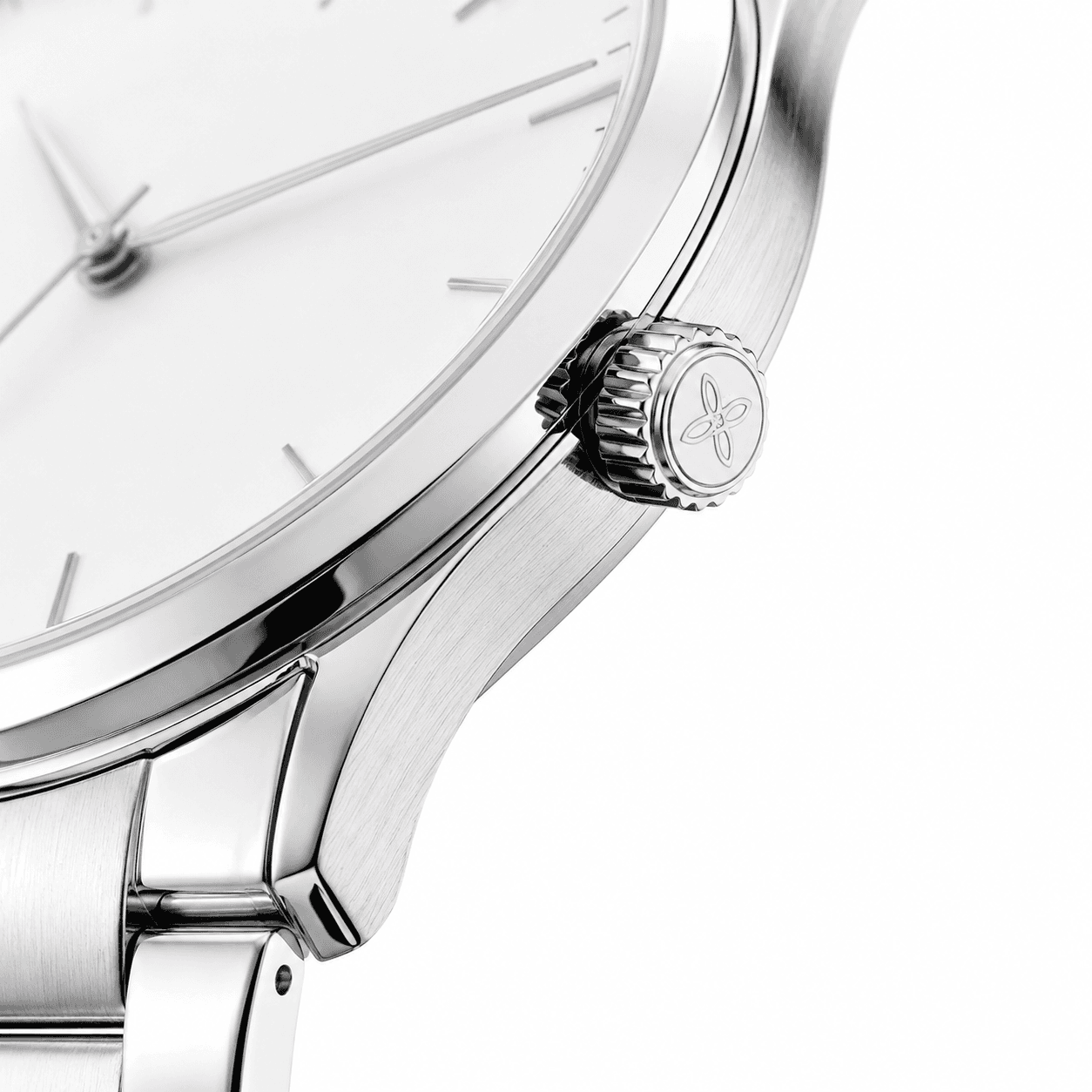
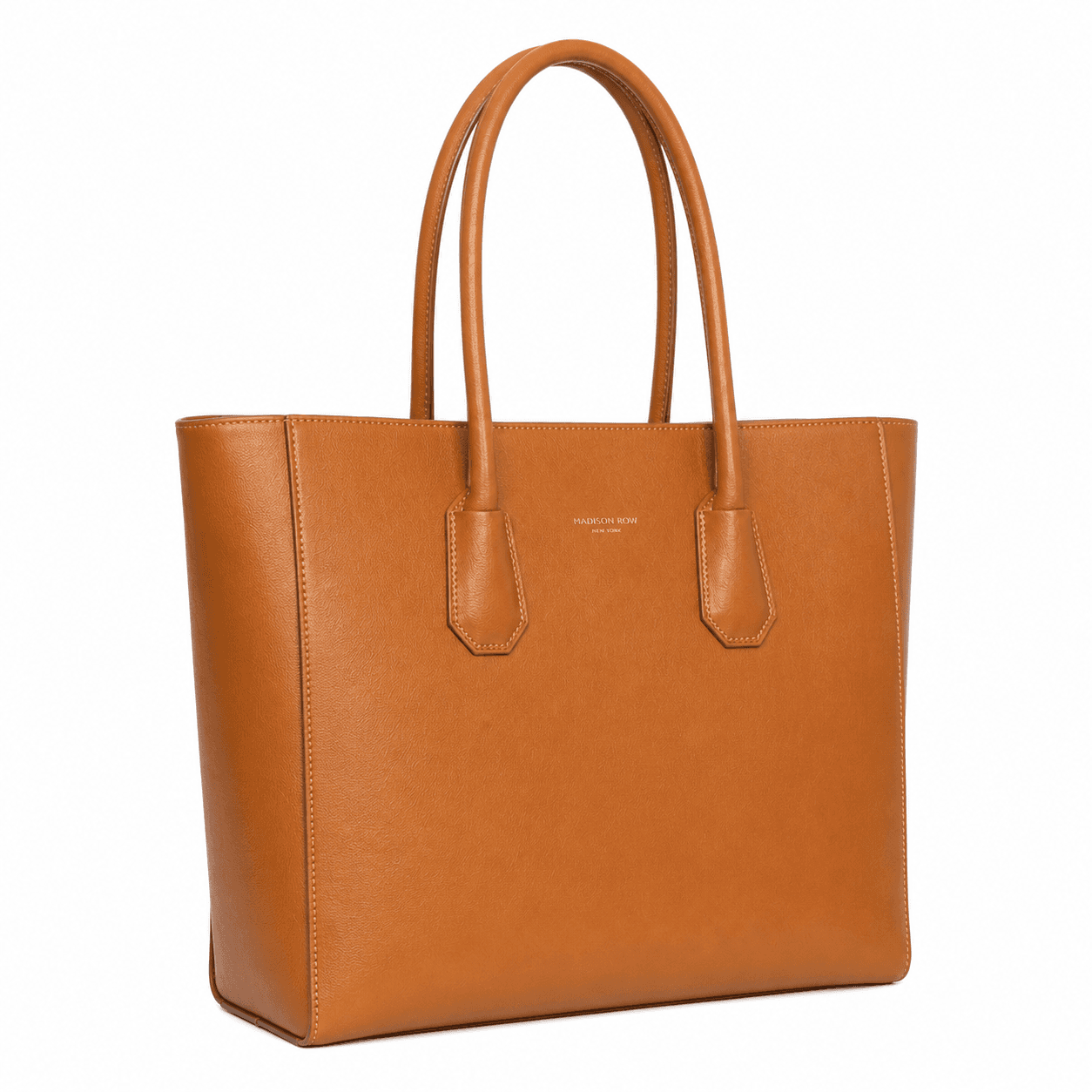
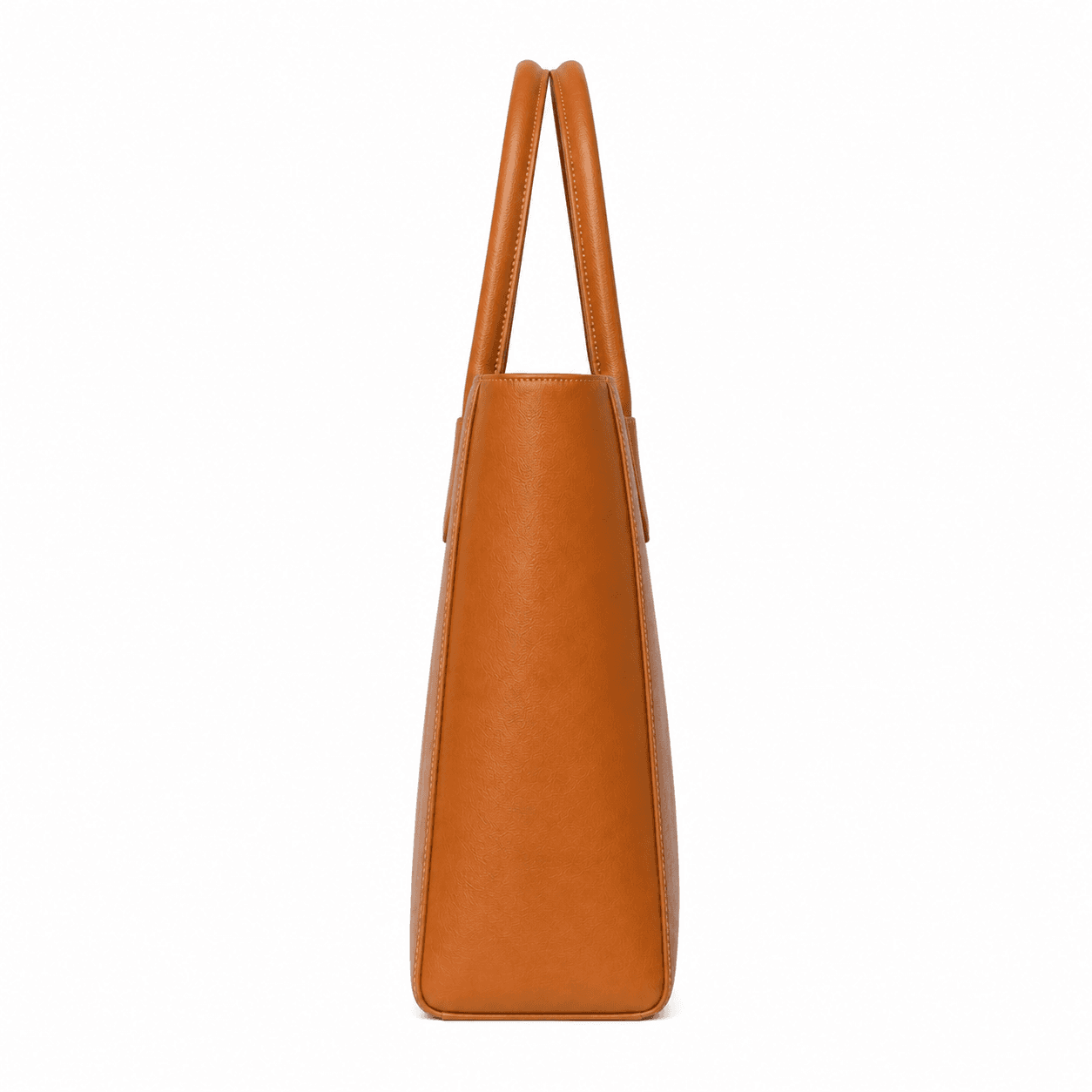
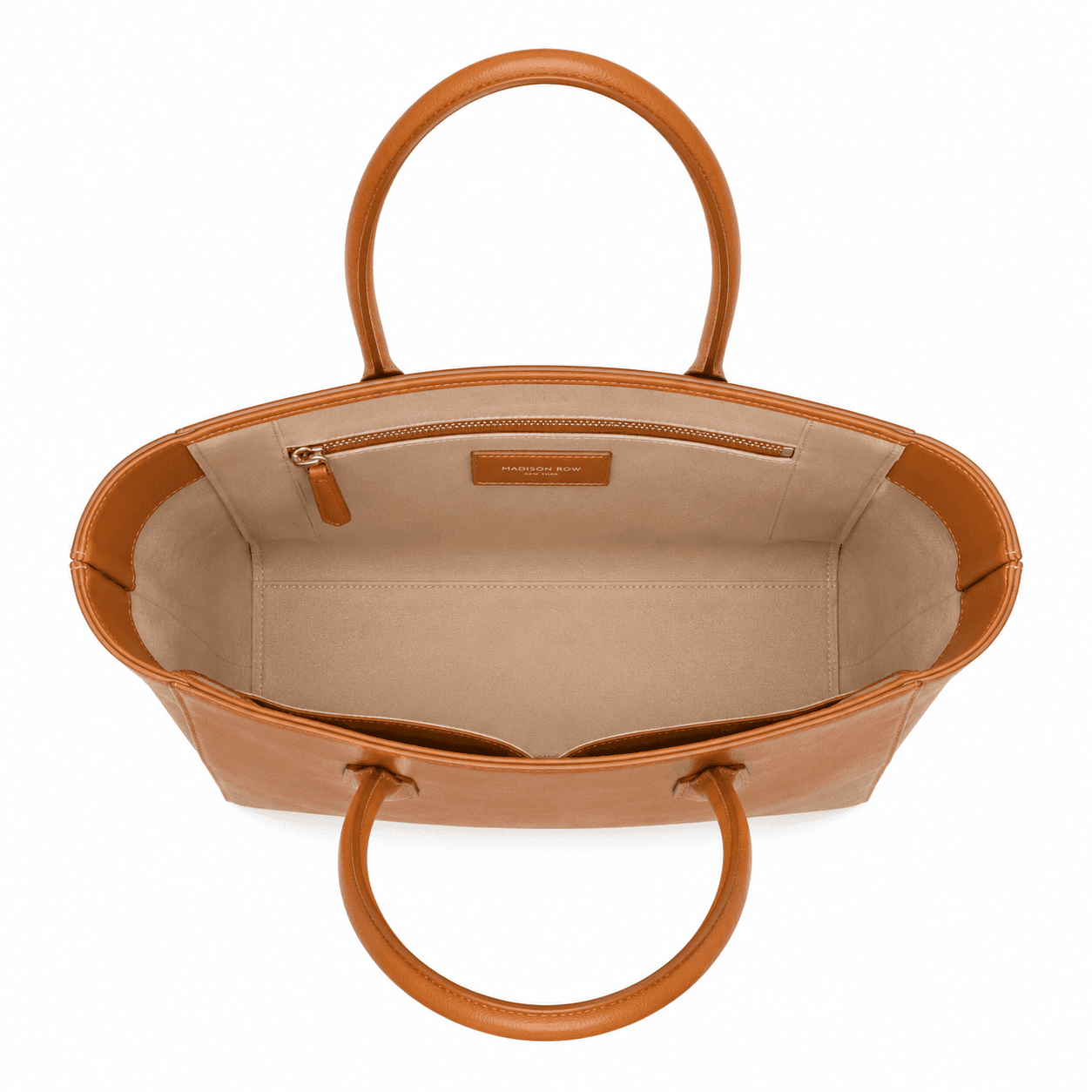
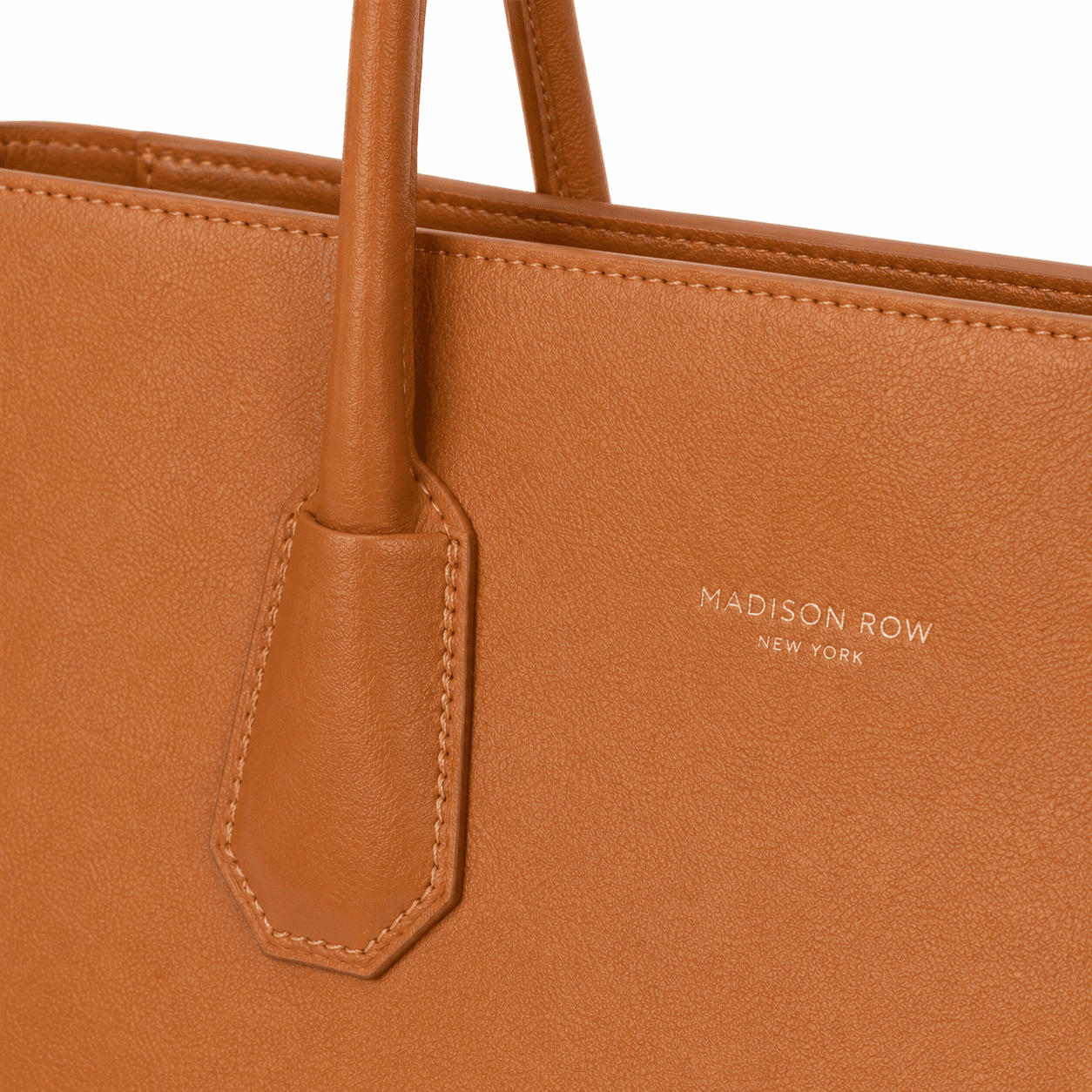
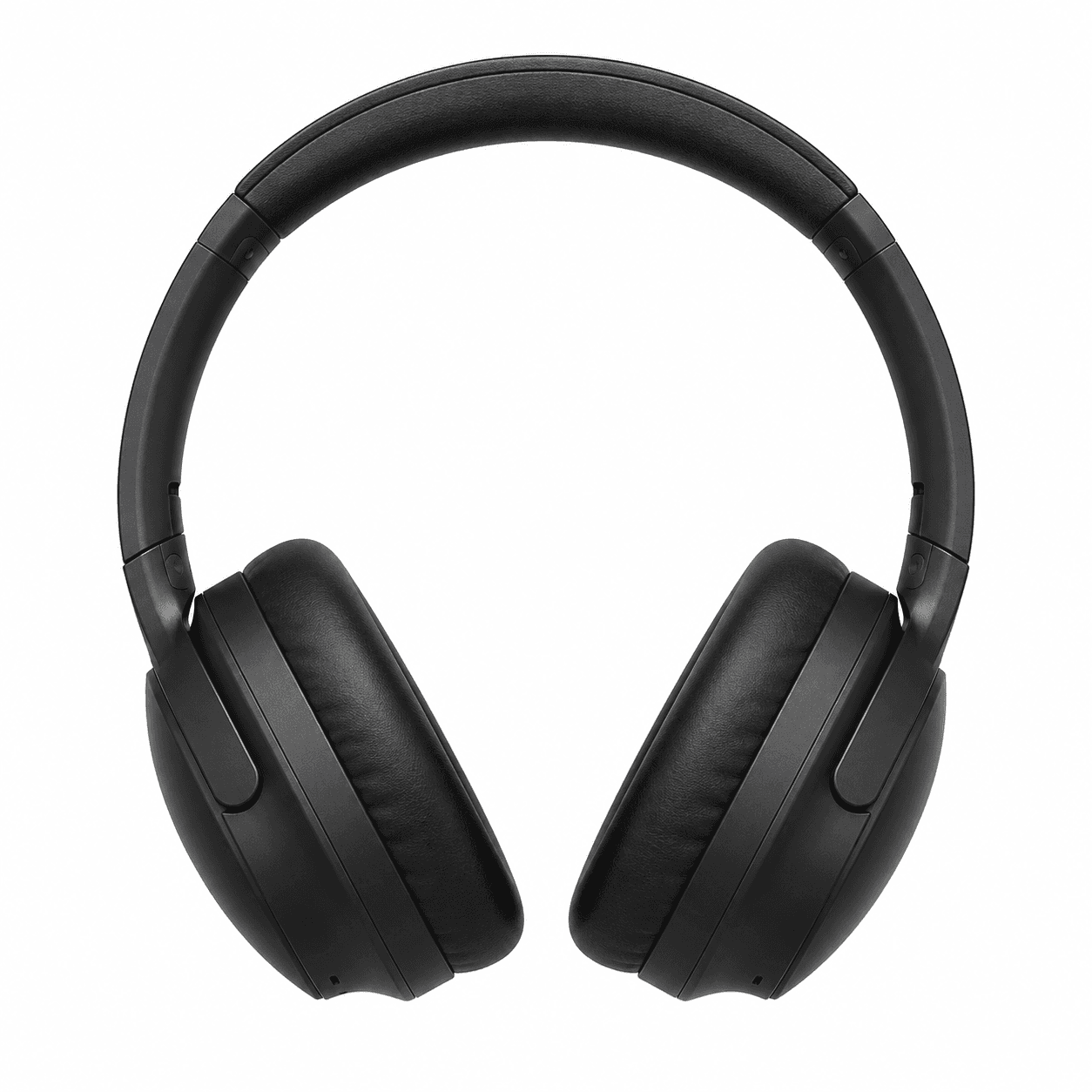
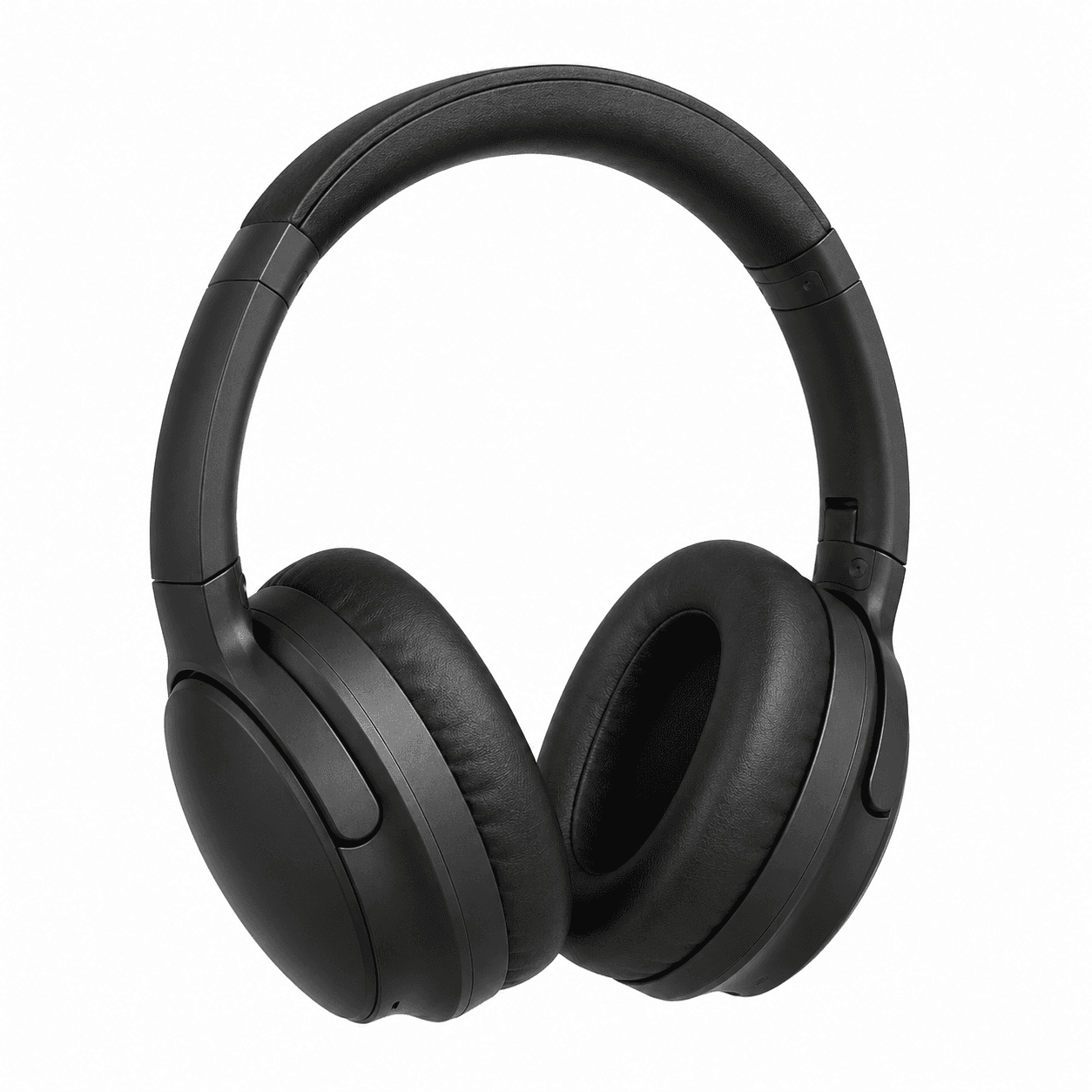
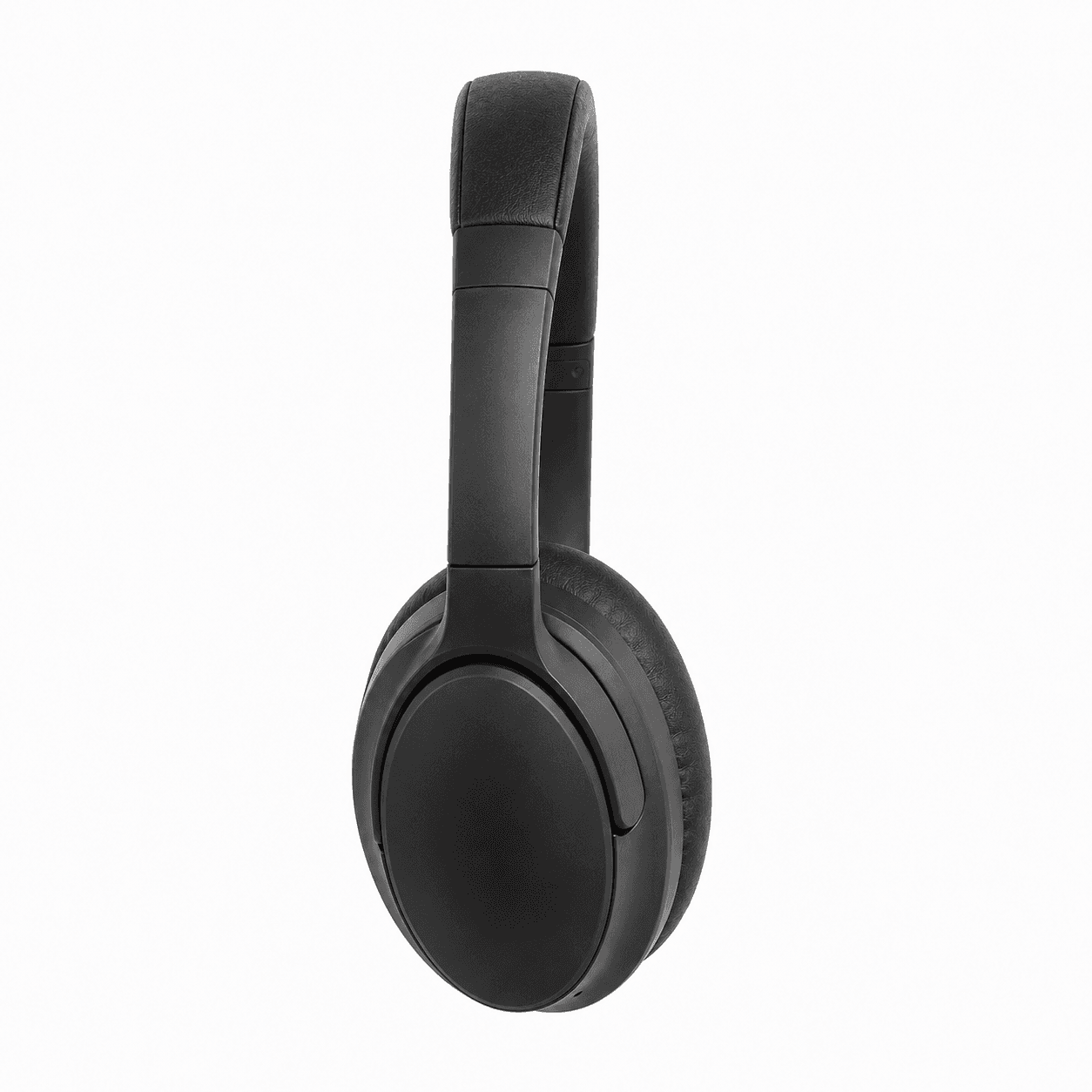
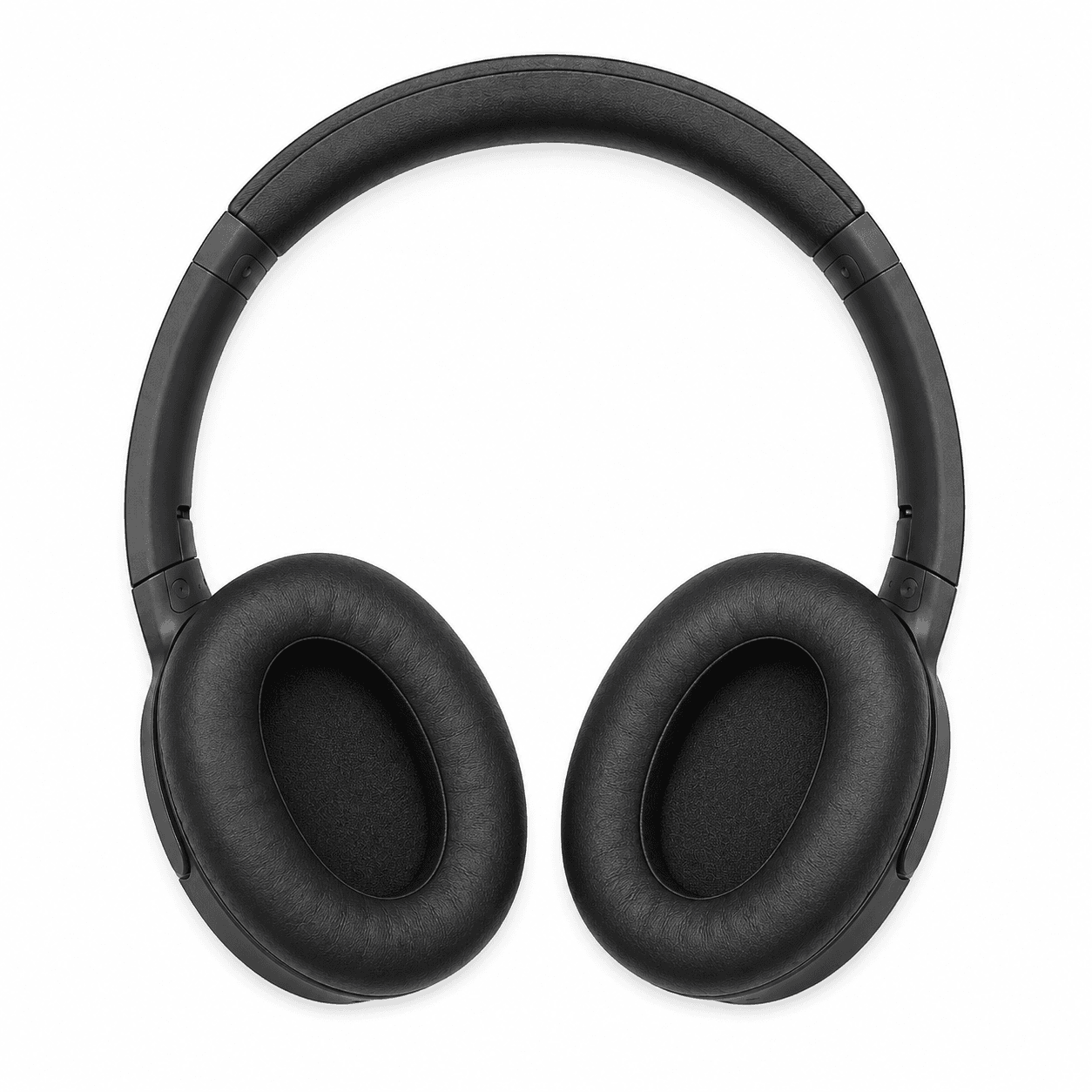
A marketplace listing with one front-facing photo converts at roughly half the rate of a listing with six angles. Every major platform knows this: Amazon requires a main image plus at least three additional views for apparel, and Shopify merchants with 360-degree spin sets see measurably higher add-to-cart rates. The problem is cost. A traditional studio shoot for six product angles runs $80-200 per SKU when you factor in photographer time, lighting setup, retouching, and file delivery. At 500 SKUs, that is a six-figure line item before a single sale.
The opportunity is clear: an API that takes one studio-quality source image and generates all remaining angles programmatically. This is now technically feasible using depth estimation, geometric warping, and inpainting models running in a ComfyUI pipeline. This article walks through how to build and productize that pipeline.
| Stack | Infra /mo | AI team | Total cost | Revenue | Margin |
|---|---|---|---|---|---|
Runflow 10% volume discount applied | $900 | $0 | $900 | $7.0K | 87% |
Cloud API + manual QA similar pricing · no auto-QA · part-time engineer needed | $1.0K | ~$5K | $6.0K | $7.0K | 14% |
Self-hosted GPU raw compute · full-time AI engineer required | $400 | $12K | $12K | $7.0K | loss |
Runflow Sentinel — built-in quality control layer that automatically detects and discards failed or low-quality outputs before delivery. You only pay for images that pass QA. No engineer needed to babysit the pipeline.
Pricing based on Runflow published rates (June 2026) with automatic volume discounts. Revenue column is illustrative — actual client pricing varies by vertical and contract size. GPU self-hosted estimate uses $0.04/img raw compute cost.
The Market Behind Multi-Angle Product Photography
Shopify alone hosts over 4.6 million active merchants. Most sell physical products. Most need multi-angle photography. The long tail of small merchants - those with 50 to 2,000 SKUs - is entirely underserved by traditional photography studios, which price for volume contracts and minimum shoot sizes. A self-serve API that delivers six production-ready angles for $2-5 per SKU competes not with studios but with the decision to skip photography altogether.
How the Pipeline Works: From One Image to All Angles
The pipeline has five stages running in ComfyUI. First, a depth estimation model (MiDaS or ZoeDepth) extracts a depth map from the source image. Second, a geometric warping node projects the source image onto a 3D point cloud and re-renders it from target angles. Third, an inpainting model fills occluded areas that were not visible in the original shot. Fourth, a background removal and replacement step ensures all outputs have consistent white or transparent backgrounds. Fifth, an automated QA check validates sharpness, edge coherence, and background purity before the files are returned.
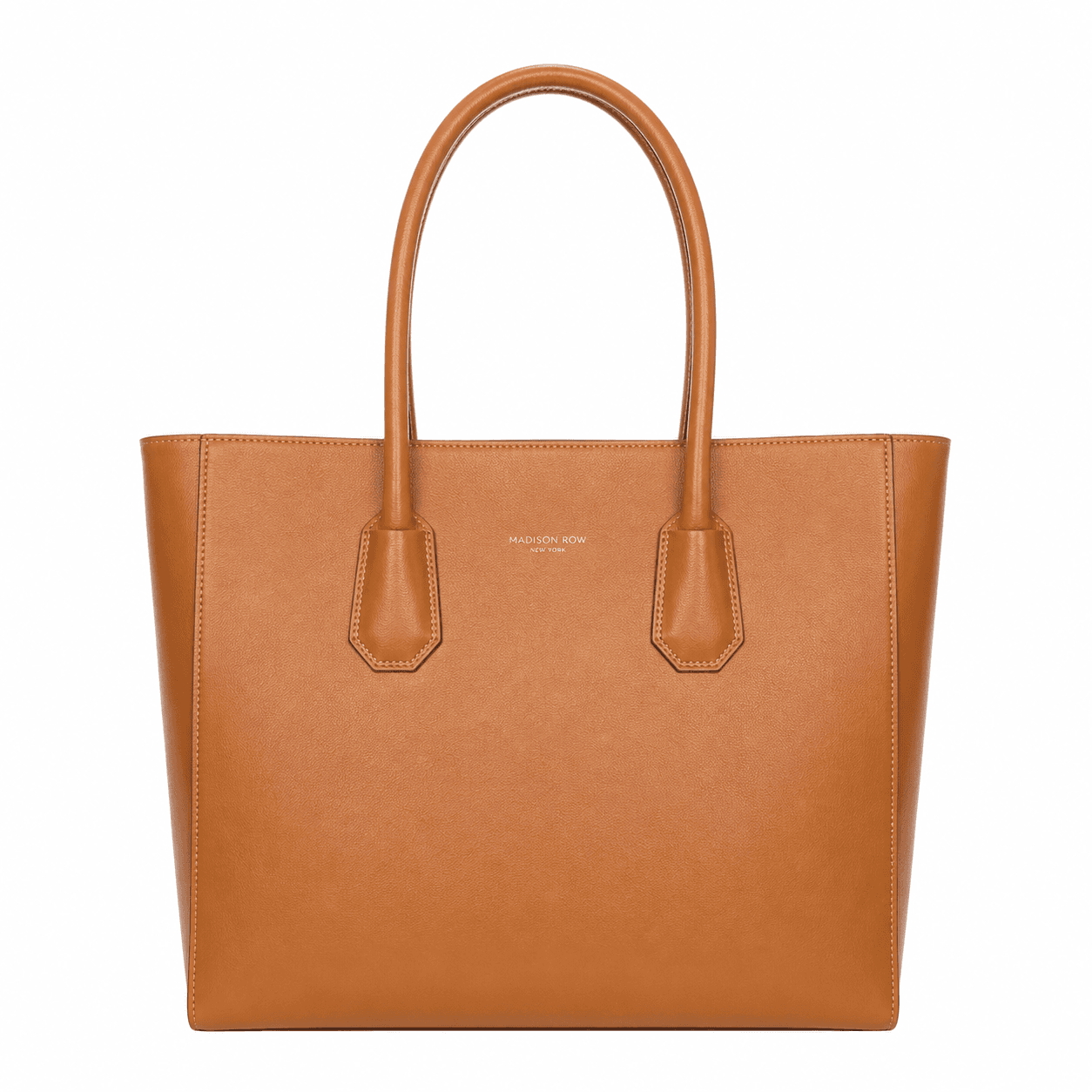
The weakest link is inpainting quality for angles more than 45 degrees from the source. A rear view generated from a front-facing shot will have significant occluded area - the back of the product was never photographed. The inpainting model fills this with a plausible but generated texture. For some product categories (bags, shoes, electronics with rear ports) this is acceptable. For others (garments with back prints, products with asymmetric designs) a second source image from the rear is needed.
Input Requirements and Quality Thresholds
The pipeline performs best with clean input. The source image should have the product centered, well-lit with even diffuse lighting (not harsh directional shadows), and either a white background or clean removal possible. Minimum resolution is 800x800 pixels; 1500x1500 or higher produces noticeably better results for detail shots. Products with highly reflective surfaces (chrome, glass, mirror-finish metal) are the hardest category because reflections are view-dependent and cannot be geometrically projected.
GPU Cost per Angle Set
Running the full five-stage pipeline on an A10G GPU (the standard production choice on RunPod and Lambda Labs) takes approximately 35-55 seconds per angle set. At $0.75/hour for an A10G, that is $0.007-0.011 per angle set for compute alone. Including model loading amortized across a batch of 100 jobs, and adding storage and egress, the fully-loaded cost is $0.03-0.06 per SKU for a six-angle set. At a retail price of $2-3 per SKU, the gross margin is 95%+.
| Method | Cost per SKU | Turnaround | Minimum order | Consistency |
|---|---|---|---|---|
| Traditional studio | $80-200 | 3-5 days | 20-50 SKUs | High (manual QC) |
| Freelance photographer | $30-80 | 1-3 days | 1 SKU | Variable |
| DIY lightbox + editing | $5-15 | Hours | 1 SKU | Low |
| API pipeline (this build) | $0.03-0.06 infra | Seconds | 1 SKU | Deterministic |
Productization Path: What to Build and How to Charge
There are two viable go-to-market paths. The first is a standalone web app: upload one image, receive six angles, download a ZIP. Charge per credit or per subscription tier. The second is a Shopify app or WooCommerce plugin that integrates directly into the merchant catalog management workflow, triggering angle generation when new products are added. The plugin path has higher distribution potential (app stores) but higher development cost and a 30% platform cut.
The standalone app is the faster path to revenue. A waitlist, a one-page site, and 50 free trial credits gets you real user feedback before building the full integration. The total MVP - ComfyUI pipeline deployed on RunPod, a simple Next.js upload interface, Stripe payment, and S3 storage - is achievable in two to three weeks of engineering time.
Total Cost of Ownership: Self-Hosted vs Managed
| Component | Self-hosted (RunPod) | Runflow managed |
|---|---|---|
| GPU compute | $30-60/mo | Included in per-job pricing |
| Inference infra engineering | +$8,000-12,000/mo (0.5 FTE) | $0 |
| Cold start management | Manual (pod keep-alive) | Automatic |
| Model versioning | Manual | Managed |
| Total at 1K SKUs/month | $8,030-12,060 | $50-150 |
Limitations and Edge Cases to Handle
Three product categories require special handling. Highly transparent products (glass bottles, crystal accessories) confuse depth estimation models because the background is visible through the product. Flat products (posters, fabric swatches, papers) produce trivially accurate projections but the result is not useful. Very small products (jewelry under 3cm) need macro-level input photography to get enough pixel density for meaningful angle generation. For these categories, flagging the submission and requesting additional source images - rather than returning low-quality outputs - is the right product decision.
Competitive Landscape
Existing competitors in the automated product photography space include Cloudinary (transformation API, not angle generation), Packshot Creator (hardware-based turntable system, not software), and several enterprise 3D scanning platforms that require custom hardware. None offer a pure-software API that generates angles from a single 2D source image at sub-dollar pricing. The gap is in the mid-market: merchants with 100-5,000 SKUs who need better imagery but cannot justify studio shoots.
API Integration Patterns
There are three common integration patterns for a 360-angle API. The first is synchronous processing: the client submits a single image and waits for a response. This works for low-volume use cases where latency is acceptable and the workflow is interactive. At 35-55 seconds per job, synchronous calls are feasible in a product detail page editor where a merchant uploads a new SKU and waits while angles are generated. The second pattern is asynchronous with webhooks: the client submits a job, receives a job ID immediately, and the server calls back when complete. This is the right architecture for batch processing and for integrating into existing catalog management pipelines where the human operator does not need to wait at the keyboard. The third pattern is streaming output: angles are returned one by one as they complete, allowing the client to display partial results while the remaining angles generate. This is the best user experience for an interactive product builder tool.
For a B2B SaaS product targeting e-commerce agencies and brand managers, the asynchronous webhook pattern is the right default. Agencies process product catalogs in bulk, often overnight, and do not need interactive feedback loops. The webhook callback triggers downstream steps in their existing workflow - updating the product record in their PIM, resizing images for CDN delivery, or running a final human review queue.
Quality Control and Rejection Criteria
An automated QA layer before returning results to the client is non-negotiable for a production service. The minimum checks are: sharpness score above a threshold (a blurred generated angle is worse than no angle), edge coherence between source and generated views (the product silhouette should match), background purity (the white or transparent background should not have generation artifacts), and product fill ratio (the product should occupy 70-85% of the frame area). Any angle that fails a QA check should be returned as a rejected flag rather than silently delivered as a low-quality output. Clients can then decide to request a reprocess, fall back to manual photography for that angle, or skip it.
A confidence score per angle is a useful addition to the API response. Angles close to the source (front to three-quarter, front to side) have naturally higher confidence because the geometric projection covers most of the visible product. Rear views and top views have lower confidence because they rely more on inpainting. Surfacing these scores allows downstream tools to prioritize high-confidence outputs for automatic publishing and route low-confidence outputs to a human review queue. This hybrid approach - automate the easy cases, flag the uncertain ones - is how production AI services handle quality at scale without sacrificing trust.
Revenue Projections at Different Scale Points
At $1.50 per SKU for a six-angle set, a solo founder can reach meaningful revenue milestones without enterprise sales. Ten merchants processing 200 SKUs per month each generates $3,000 MRR. That is a real business at a single-digit GPU cost base. Scaling to 100 merchants at the same average volume brings MRR to $30,000 - enough for a small team. The key insight is that the unit economics improve as volume grows: model loading amortizes across larger batches, GPU utilization improves with queue depth, and support cost per customer drops as the product matures. Unlike many AI products, this one has a defensible margin structure because the compute cost is genuinely low relative to the value delivered to the customer.
| Stack | Infra /mo | AI team | Total cost | Revenue | Margin |
|---|---|---|---|---|---|
Runflow 10% volume discount applied | $900 | $0 | $900 | $7.0K | 87% |
Cloud API + manual QA similar pricing · no auto-QA · part-time engineer needed | $1.0K | ~$5K | $6.0K | $7.0K | 14% |
Self-hosted GPU raw compute · full-time AI engineer required | $400 | $12K | $12K | $7.0K | loss |
Runflow Sentinel — built-in quality control layer that automatically detects and discards failed or low-quality outputs before delivery. You only pay for images that pass QA. No engineer needed to babysit the pipeline.
Pricing based on Runflow published rates (June 2026) with automatic volume discounts. Revenue column is illustrative — actual client pricing varies by vertical and contract size. GPU self-hosted estimate uses $0.04/img raw compute cost.